Product Description
Bioclimatic pergolas from CHINAMFG are the perfect way to bring the CHINAMFG of indoors to your garden or patio. Available with rotating louvred ,
these all-weather aluminium pergolas are durable, luxurious and give you complete control over ventilation, light and shade.
Customize an exclusive CHINAMFG pergola for your home !!!
| Material | Aluminium alloy 6005 T5 |
| Finish | Powder coated (warranty 5 years) & PVDF (waranty 10 years) |
| Sizes | Customized |
| Colors | Standard color RAL7012, 7016, 9005, 9016, also other colors is available |
| Rainfall intensity | 0.04 to 0.05 l/s/m2 |
| Snow load | Up to 180 kg/m2 or more |
| Wind resistance | Up to 180-240 km/h for closed blades |
| Delivery time | Usual 15-20 days after payment received and drawings confirmed |
| Optional accessories | Electric Side curtain/Sliding Glass Door/LED Light/Wind and rain sensor/Heater, etc |
FAQ
1. WHAT IS MATERIAL OF YOUR PERGOLA MADE OF?
The material of beam, post and beam are all aluminium alloy 6005 T5
The material of accessories are all stainless steel 304 and brass h59
2. WHAT IS THE LONGEST SPAN OF YOUR LOUVRE BLADES?
The maximum span of our louver blades is 5m without any sagging.
3. CAN IT BE MOUNTED TO THE WALL OF HOUSE?
Yes, our CHINAMFG pergola can be attached to an existing wall
4. WHAT’S COLORS DO YOU HAVE ?
Usual 4 standard color of RAL 7012, 7016, 9005, 9016
Also it is available custom colours from RAL color or customers’ sample color.
5. WHAT’S THE SIZE OF PERGOLA DO YOU DO ?
We are the factory, so usual we custom CHINAMFG any sizes according to customers’ request.
6. WHAT’S THE RAINFALL INTENSITY, SNOW LOAD AND WIND RESISTANCE ?
Rainfall intensity: 0.04 to 0.05 l/s/m2
Snow load: Up to 180 kg/m2
Wind resistance: Up to 180-240 km/h for closed blades
/* March 10, 2571 17:59:20 */!function(){function s(e,r){var a,o={};try{e&&e.split(“,”).forEach(function(e,t){e&&(a=e.match(/(.*?):(.*)$/))&&1
| Shape: | Square |
|---|---|
| Frame Material: | Aluminum Alloy |
| Sail Material: | Aluminum Alloy |
| Sail Finishing: | PVDF |
| Condition: | New |
| Customized: | Customized |
| Customization: |
Available
|
|
|---|
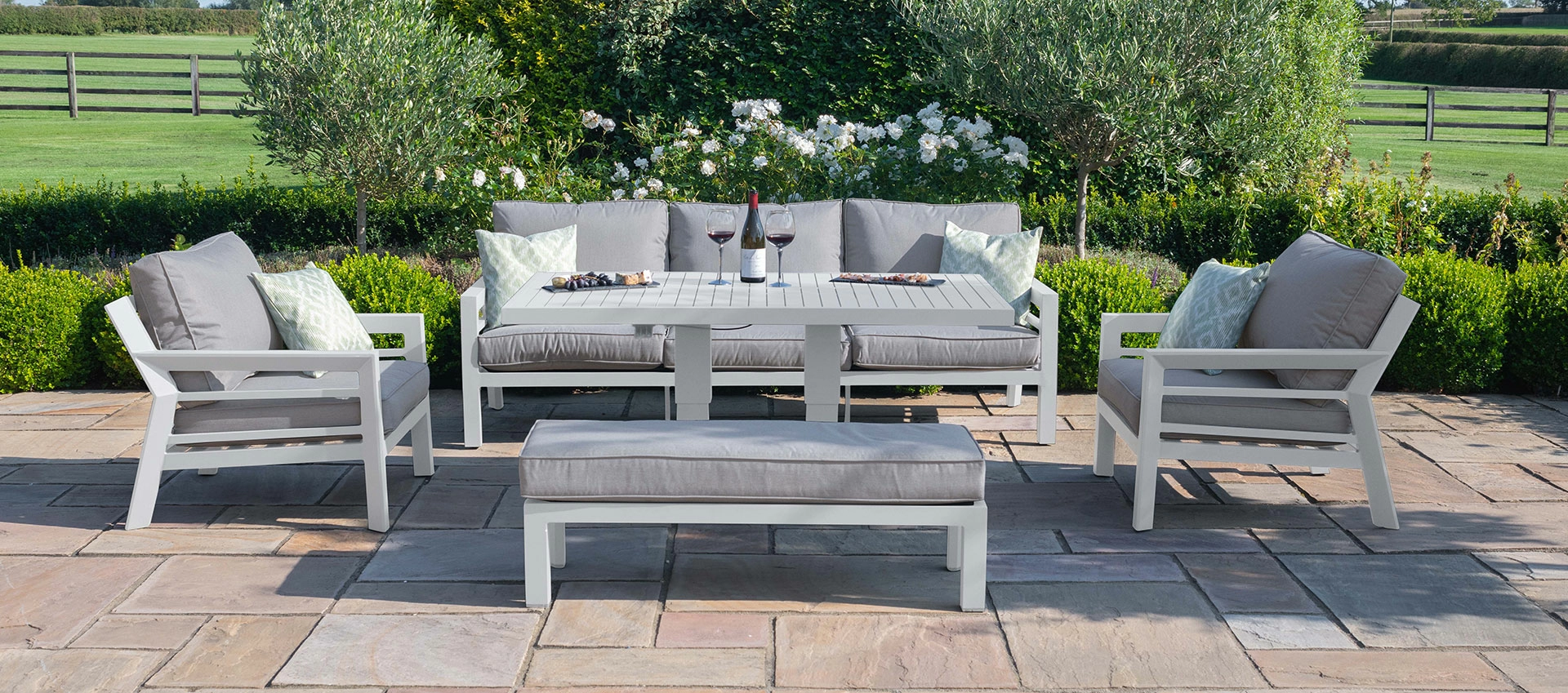
How do I keep outdoor furniture from getting blown away during windy weather?
Preventing outdoor furniture from getting blown away during windy weather requires taking certain precautions to secure the furniture and minimize the risk of damage or displacement. Here are some effective methods:
1. Choose Heavy and Sturdy Furniture:
Opt for outdoor furniture that is heavy and sturdy. Furniture with a solid construction and a low center of gravity is less likely to be blown away by strong winds. Materials such as cast iron or solid wood can provide better stability.
2. Anchor the Furniture:
Secure the furniture to the ground or a fixed structure using anchors or tie-downs. Anchoring systems, such as straps, cables, or stakes, can be attached to the furniture and anchored to the ground or nearby structures to prevent movement or tipping over.
3. Use Sandbags or Weights:
Place sandbags or weights on the base or legs of the furniture to add extra stability. The additional weight helps keep the furniture grounded and reduces the chances of it being blown away by strong winds.
4. Position Furniture Strategically:
Consider the placement of the furniture in your outdoor space. Position it in areas that are sheltered or surrounded by windbreaks, such as walls, fences, or trees. These natural barriers help reduce the impact of wind and provide some protection to the furniture.
5. Fold and Store:
If your outdoor furniture is foldable or collapsible, consider folding and storing it indoors or in a secure storage area during periods of strong winds. This eliminates the risk of damage and ensures the furniture remains intact.
6. Use Windproof Accessories:
Utilize windproof accessories designed specifically for outdoor furniture. These may include clips, straps, or fasteners that secure cushions, covers, or other removable parts of the furniture, preventing them from being blown away or displaced.
7. Store Removable Cushions and Accessories:
During windy weather, remove cushions, pillows, or other accessories from the outdoor furniture and store them indoors. Lightweight items are more susceptible to being blown away, and storing them safely prevents damage or loss.
8. Monitor Weather Forecasts:
Stay informed about weather conditions and forecasts in your area. If strong winds or severe weather are expected, take proactive measures to secure the outdoor furniture in advance.
9. Regular Maintenance:
Maintain your outdoor furniture regularly to ensure its stability and durability. Tighten any loose fittings, repair damaged parts, and replace worn-out components to keep the furniture in optimal condition.
By implementing these measures, you can significantly reduce the risk of outdoor furniture being blown away during windy weather, protecting your investment and ensuring the safety of your outdoor space.
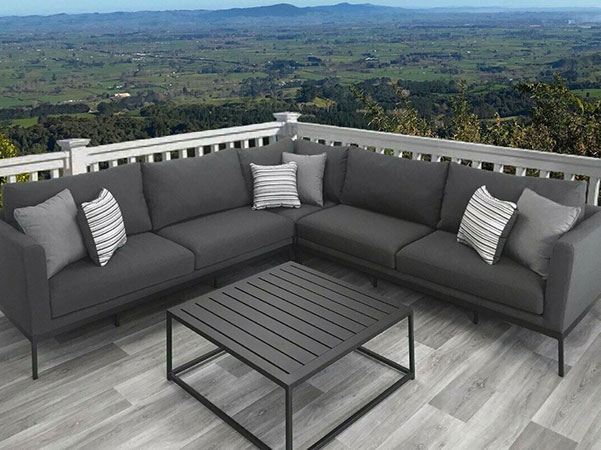
Are there any DIY projects for building custom outdoor furniture pieces?
Yes, there are plenty of DIY projects available for building custom outdoor furniture pieces. If you enjoy woodworking and crafting, creating your own outdoor furniture can be a rewarding and cost-effective option. Here are a few DIY project ideas for building custom outdoor furniture:
1. Adirondack Chairs: Adirondack chairs are classic and comfortable outdoor seating options. There are numerous plans and tutorials available online that provide step-by-step instructions for building Adirondack chairs from scratch. You can customize the design, size, and finish to match your outdoor aesthetic.
2. Pallet Furniture: Repurposing wooden pallets is a popular DIY trend for creating outdoor furniture. With pallets, you can build various pieces like benches, sofas, coffee tables, and even vertical gardens. Look for pallet furniture plans and tutorials that provide guidance on dismantling and assembling pallets into functional and stylish furniture pieces.
3. Outdoor Dining Table: Building your own outdoor dining table allows you to create a custom piece that fits your space and style preferences. You can choose from various materials such as reclaimed wood, cedar, or treated lumber. Look for plans that provide detailed instructions on construction techniques, sizing, and finishing options.
4. Hammock Stand: If you enjoy lounging in a hammock, consider building a hammock stand. This DIY project typically involves working with wood or metal to create a sturdy and stable structure to hang your hammock. Plans and tutorials are available to guide you through the construction process.
5. Outdoor Bar Cart: Building an outdoor bar cart can be a fun and practical DIY project. You can construct a mobile cart with storage for drinks, glasses, and other bar essentials. Look for plans that include details on materials, measurements, and assembly instructions.
6. Outdoor Bench: Building a bench for your outdoor space provides additional seating and can be a versatile piece of furniture. You can create a simple or intricate design based on your skill level and preferences. Look for bench plans that provide guidance on dimensions, joinery techniques, and finishing.
7. Planters and Trellises: DIY planters and trellises can add both functionality and beauty to your outdoor space. You can build custom-sized planters to fit specific areas or construct trellises to support climbing plants. Plans and tutorials are available for different styles and materials.
When undertaking any DIY project, it’s important to prioritize safety. Ensure you have the necessary tools, materials, and skills for the project. Follow the instructions carefully and take proper safety precautions, such as wearing protective gear and working in a well-ventilated area.
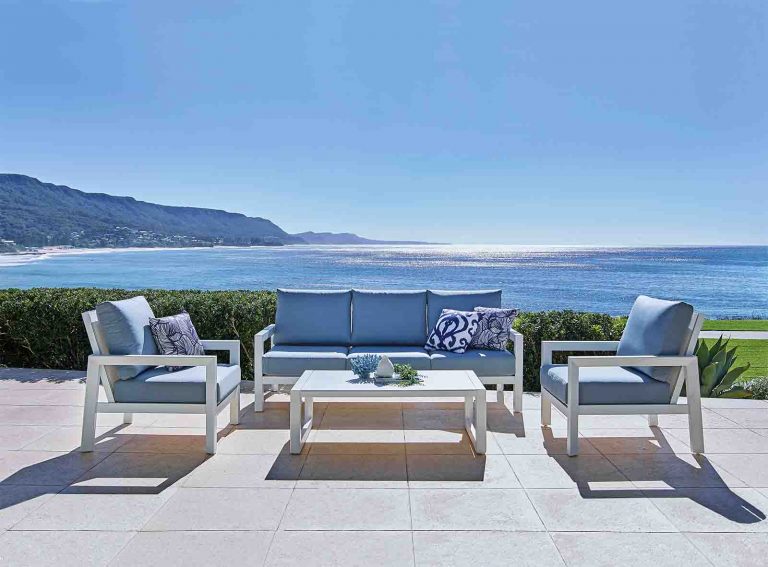
How can I properly care for and maintain my outdoor furniture?
Proper care and maintenance of outdoor furniture are essential to ensure its longevity and keep it looking its best. Here are some tips on how to care for and maintain your outdoor furniture:
1. Clean Regularly: Regular cleaning is crucial to prevent dirt, debris, and stains from accumulating on your furniture. Use a mild soap or specialized outdoor furniture cleaner and a soft brush or sponge to scrub the surfaces. Rinse thoroughly with water and allow the furniture to dry completely before using or covering it.
2. Protect from the Elements: When not in use, it’s beneficial to protect your outdoor furniture from harsh weather conditions. Use furniture covers or store the furniture in a covered area, such as a shed or garage, during extreme weather, prolonged periods of rain, or winter months. This helps prevent excessive exposure to sunlight, moisture, and temperature fluctuations.
3. Apply Protective Finishes: Depending on the material of your outdoor furniture, you may need to apply protective finishes to enhance its resistance to the elements. For example, wooden furniture can benefit from a weather-resistant sealant or protective oil to prevent cracking, splitting, and fading. Metal furniture may require occasional touch-ups with rust-resistant paint or protective coatings.
4. Inspect and Repair: Regularly inspect your outdoor furniture for any signs of damage, such as loose screws, broken parts, or weakened joints. Promptly address any issues by tightening screws, replacing damaged components, or seeking professional repairs if needed. This helps maintain the structural integrity of the furniture and prevents further damage.
5. Store Cushions Properly: If your outdoor furniture has cushions or fabric upholstery, it’s important to store them properly when not in use. Remove the cushions and store them in a dry, ventilated area to prevent mold, mildew, and fading. Consider using storage bags or containers specifically designed for cushion storage.
6. Avoid Harsh Cleaning Agents: While it’s important to clean your outdoor furniture, avoid using harsh cleaning agents, abrasive scrubbers, or power washers as they can damage the furniture’s finish or surface. Stick to mild cleaning solutions and gentle cleaning tools to maintain the integrity of the materials.
7. Follow Manufacturer’s Instructions: Always refer to the manufacturer’s instructions and guidelines for caring for your specific outdoor furniture. They may provide specific recommendations based on the material, design, and finish of the furniture.
By following these care and maintenance tips, you can extend the lifespan of your outdoor furniture and keep it looking beautiful for years to come.
editor by CX 2024-01-03