Product Description
| PRODUCT DESCRIPTION |
Model No.: HD-02B+HD02D
HD02B:
1.Face panel:high-density shaving board T25MM with cold pressing fireproof board and PU sealed 4 sides which
is strong and durable.The face panel can be folded;
2.Head board:high-density shaving board T20MM with cold pressing fireproof board and PU sealed 4 sides which
is strong and durable.The face panel can be folded;
3.Foot stand: die-casting by high-strengh aluminum alloy by mould,Average thickness is about 3MM;
the caster can lock.
4.Leg frame: selected high quality steel tube (83X35XT1.5mm);surface is treated by polished and anti-electrostatic
sprayed treatment;
5.Beam: selected denier tube 50x30xT1.5mm shaped by mould by welding by polishing;surface is treated by
polished and anti-electrostatic sprayed treatment;
6.Drawer:selected high quality steel (T1.0mm)shaped by mould by welding by polishing;surface is treated by
polished and anti-electrostatic sprayed treatment;
7.caster of foot-stand have autolock function.
Size for optional: 1800/1400*600*750 mm
HD02C:
1.Face panel:high-density shaving board T25MM with cold pressing fireproof board and PU sealed 4 sides
which is strong and durable.The face panel can be folded;
2.Head board:high-density shaving board T20MM with cold pressing fireproof board and PU sealed 4 sides
which is strong and durable.The face panel can be folded;
3.Foot stand: die-casting by high-strengh aluminum alloy by mould,Average thickness is about 3MM;
the caster can lock.
4.Leg frame: selected high quality steel tube (83X35XT1.5mm);surface is treated by polished and
anti-electrostatic sprayed treatment;
5.Beam: selected denier tube 50x30xT1.5mm shaped by mould by welding by polishing;surface is treated
by polished and anti-electrostatic sprayed treatment;
6.Drawer:selected high quality steel (T1.0mm)shaped by mould by welding by polishing;surface is treated
by polished and anti-electrostatic sprayed treatment;
7.caster of foot-stand have autolock function.
Size: 1626*761*750 mm
Usage range: Suitable for all kind of auditorium, hall, theater for meeting or lecture or cinema purpose.
Patent: The patent of chair appearance obtained protects our clients from vicious competition.
Application: Auditorium room, home theater, lecture hall, hall room and etc.
| General Use | It is used in public place, such as Office Conference Room/ school etc. | |
| Detail Description | board |
Thickness of 25mm shaving board ,surface is fireproof board |
| frame |
the frame is metal with powder coated finishing,with castors,the base board is aluminium | |
| Dimension | 1800*600*750mm; 1400*600*750mm; 1300*600*750mm; 1200*600*750mm; |
|
| Volume | 0.4CBM | |
| Gross Weight | ||
| Loading Qty | 1*40HQ:220pcs | |
| Packing | 1)board in 1 packing 2) metal frame in 1 packing 3) castor in 1 packing |
|
| Term of payment | T/T (30%deposit prepaid, 70% balance paid before loading.) | |
| MOQ | 10pcs | |
| Price Validity | 15 days | |
| Remark | 1:You can choose any section of the table | |
| 2:97% of our buyers order and reorder from us, because they trust us and our products | ||
| DIMENSION |
| DETAILED IMAGE |
We mainly engage in auditorium chair, cinema chair, theater chair, student furniture, office furniture and public chair.
| Kind: | Conference Table |
|---|---|
| Type: | Double |
| Usage: | School, Training Institution |
| Material: | Metal |
| Style: | Modern |
| Color: | as You Like |
| Samples: |
US$ 200/Piece
1 Piece(Min.Order) | |
|---|
| Customization: |
Available
|
|
|---|
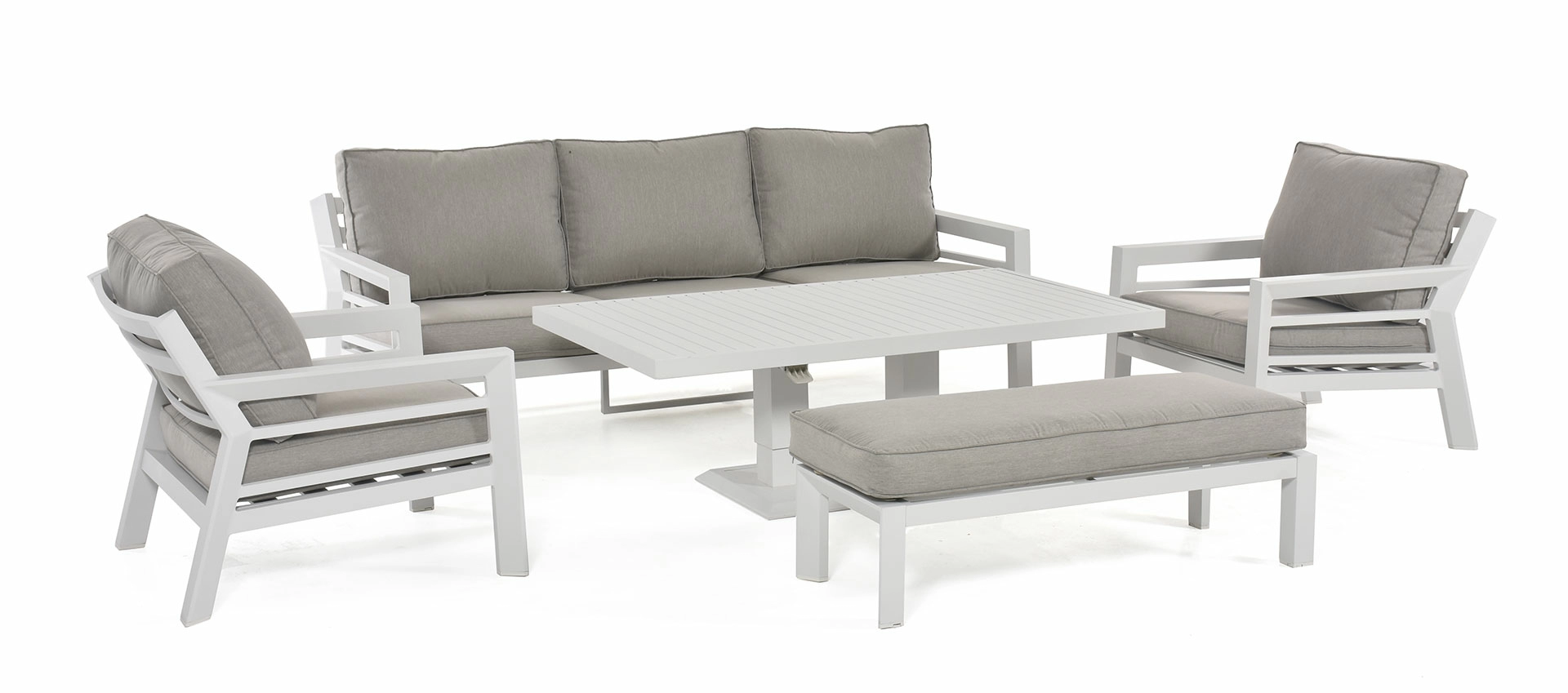
Are there eco-friendly or sustainable options for aluminum table production?
Yes, there are eco-friendly and sustainable options for aluminum table production. Here is a detailed explanation:
1. Recycled Aluminum: One of the most sustainable options for aluminum table production is using recycled aluminum. Recycled aluminum is obtained from post-consumer or post-industrial sources and can be melted down and reprocessed to create new aluminum products, including tables. Using recycled aluminum reduces the need for extracting and refining raw materials, conserves energy, and helps minimize waste. Additionally, recycled aluminum maintains the same quality and properties as virgin aluminum, making it a viable and environmentally friendly option for table production.
2. Energy-Efficient Manufacturing: Another aspect of eco-friendly aluminum table production is employing energy-efficient manufacturing processes. Aluminum manufacturers can implement energy-saving technologies, such as using renewable energy sources or optimizing production lines to reduce energy consumption. By minimizing energy use during the manufacturing process, the carbon footprint associated with aluminum table production can be significantly reduced, contributing to overall sustainability efforts.
3. Low Emissions: Sustainable aluminum table production also involves minimizing greenhouse gas emissions. Aluminum manufacturers can adopt practices that reduce or eliminate the release of harmful emissions into the atmosphere. This can be achieved through the use of advanced filtration systems, the proper treatment of waste gases, and the implementation of emission control technologies. By focusing on reducing emissions, the environmental impact of aluminum table production can be mitigated.
4. Water Conservation: Conserving water is another important aspect of eco-friendly aluminum table production. Manufacturers can implement water recycling and reuse systems, as well as employ water-efficient processes to minimize water consumption during production. Additionally, responsible wastewater management practices can be implemented to ensure that any water discharged from the manufacturing process is properly treated to minimize environmental impact.
5. Life Cycle Assessment: Conducting a life cycle assessment (LCA) is a valuable tool for evaluating the environmental impact of aluminum table production. An LCA considers the entire life cycle of a product, from raw material extraction to manufacturing, use, and end-of-life disposal or recycling. By analyzing the various stages of production and identifying areas for improvement, manufacturers can make informed decisions to minimize the environmental footprint of aluminum tables throughout their life cycle.
6. Certifications and Standards: Various certifications and standards exist to recognize and promote sustainable practices in aluminum production. For example, the Aluminum Stewardship Initiative (ASI) provides a certification program that ensures responsible production, sourcing, and stewardship of aluminum. By choosing aluminum tables from manufacturers with recognized certifications or adherence to sustainable standards, consumers can support environmentally conscious production practices.
7. End-of-Life Recycling: Considering the end-of-life phase is crucial for sustainable aluminum table production. Aluminum is highly recyclable, and at the end of their life cycle, aluminum tables can be recycled to produce new aluminum products. Recycling aluminum requires significantly less energy compared to primary production, resulting in reduced energy consumption and greenhouse gas emissions. Encouraging proper recycling and creating infrastructure to facilitate the recycling of aluminum tables promotes a closed-loop system and minimizes waste.
By incorporating these eco-friendly and sustainable practices, aluminum table production can align with environmental goals and contribute to a more sustainable future. Consumers can support these efforts by choosing aluminum tables that are produced using recycled aluminum, manufactured with energy-efficient processes, and certified by recognized sustainability standards.
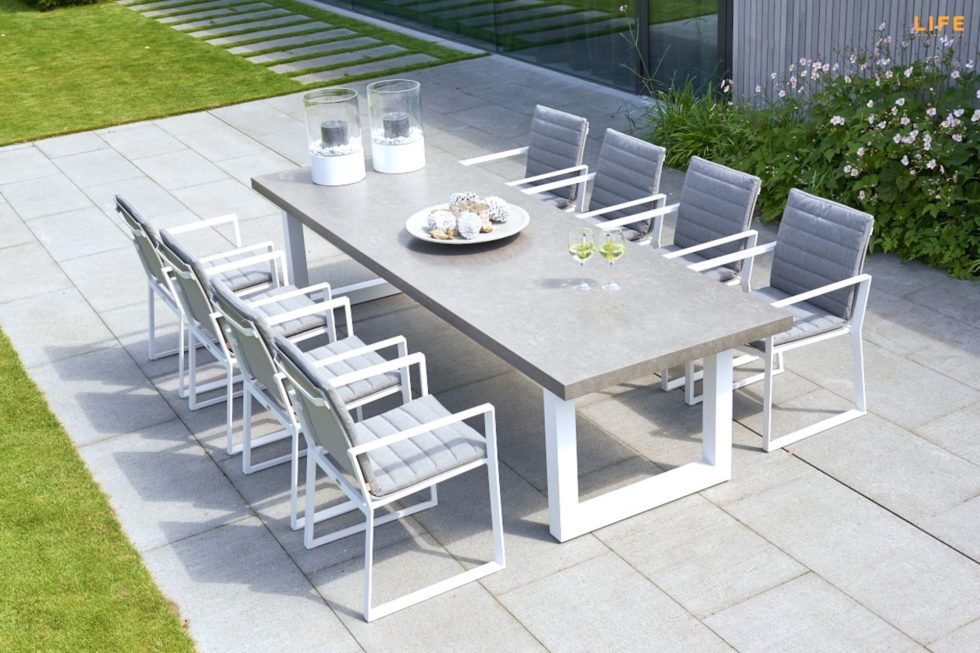
What are the top considerations when selecting cushions and fabrics for aluminum table chairs?
When selecting cushions and fabrics for aluminum table chairs, several considerations should be taken into account to ensure comfort, durability, and aesthetic appeal. Here is a detailed explanation of the top considerations:
1. Weather Resistance: Outdoor cushions and fabrics for aluminum table chairs should be designed to withstand outdoor elements. It is crucial to choose materials that are weather-resistant, fade-resistant, and can withstand exposure to sunlight, rain, humidity, and temperature changes. Look for cushions and fabrics that are specifically labeled as suitable for outdoor use and are made from materials such as solution-dyed acrylic, polyester, or vinyl-coated fabrics. These materials are known for their durability and resistance to fading, mold, and mildew.
2. Comfort: Comfort is a key consideration when selecting cushions for aluminum table chairs. Look for cushions that provide adequate padding and support, allowing for a comfortable seating experience. Consider the thickness and density of the cushion foam to ensure optimal comfort. Cushions with a higher density foam tend to offer better support and retain their shape over time. Additionally, consider the ergonomic design of the cushions, including the shape and contouring, to provide proper support for the back and bottom.
3. Easy Maintenance: Outdoor cushions and fabrics for aluminum table chairs should be easy to clean and maintain. Look for materials that are stain-resistant and can be easily wiped clean with mild soap and water. Removable cushion covers with zipper closures are convenient as they can be easily removed and washed when needed. Additionally, consider fabrics that are resistant to mold and mildew, as these can be common issues in outdoor environments. Choosing low-maintenance materials will help to extend the lifespan of the cushions and keep them looking fresh and clean.
4. Color and Style: The color and style of the cushions and fabrics should complement the overall design aesthetic of the outdoor space. Consider the existing color scheme, the style of the aluminum table chairs, and the surrounding environment when selecting cushion colors and patterns. Neutral colors such as beige, gray, or taupe are versatile options that can blend well with various design styles. However, vibrant or patterned cushions can add a pop of color and personality to the seating area. Choose colors and patterns that create a cohesive and visually appealing look with the aluminum table chairs and the outdoor surroundings.
5. Fade Resistance: Outdoor fabrics exposed to sunlight can fade over time. Look for cushions and fabrics that are specifically designed to be fade-resistant. Solution-dyed acrylic fabrics are known for their excellent colorfastness and resistance to fading. They are dyed before the fibers are formed, resulting in color that is embedded throughout the fabric. This ensures that the cushions retain their vibrant colors even with prolonged exposure to sunlight.
6. Quality and Durability: Investing in high-quality cushions and fabrics is important to ensure their longevity. Look for well-constructed cushions with durable stitching and reinforced seams. Consider the reputation and quality of the brand or manufacturer when selecting cushions. Reviews and customer feedback can provide valuable insights into the durability and performance of the cushions over time. Investing in quality cushions and fabrics will result in a more durable and long-lasting seating solution for the aluminum table chairs.
7. Budget: Lastly, consider your budget when selecting cushions and fabrics for aluminum table chairs. Cushions and fabrics come in a wide range of price points, depending on the materials used, the brand, and the quality. Set a budget and look for options that offer a balance between quality, comfort, and affordability. Remember that investing in higher-quality cushions and fabrics can often result in a longer lifespan and better overall performance.
By considering these top considerations when selecting cushions and fabrics for aluminum table chairs, you can choose options that provide comfort, durability, easy maintenance, and a stylish appearance. This will enhance the overall seating experience and create an inviting and enjoyable outdoor dining or lounging area.
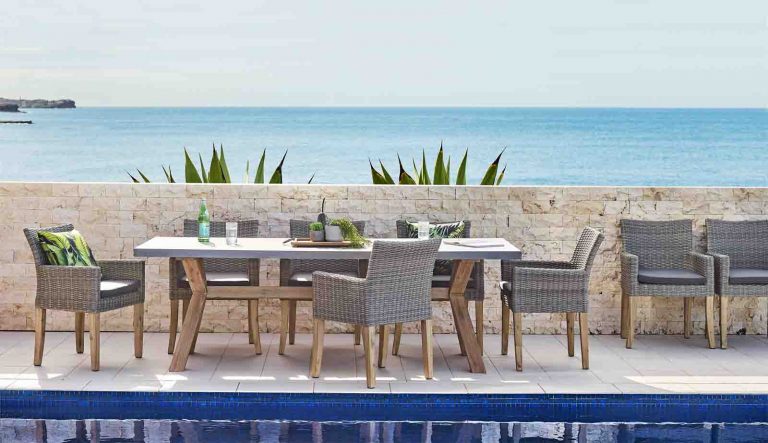
Are there specific types of aluminum alloys used in manufacturing tables?
Yes, specific types of aluminum alloys are commonly used in the manufacturing of tables. Here is a detailed explanation:
1. Aluminum 6061: Aluminum alloy 6061 is one of the most popular choices for manufacturing tables. It is a versatile alloy that offers a good balance of strength, durability, and workability. Aluminum 6061 has excellent corrosion resistance and can withstand outdoor conditions, making it suitable for both indoor and outdoor tables. This alloy is often used in the construction of lightweight and sturdy tables, including dining tables, outdoor patio tables, and folding tables.
2. Aluminum 5052: Aluminum alloy 5052 is another commonly used alloy in table manufacturing. It is known for its high strength and excellent corrosion resistance. Aluminum 5052 is often utilized in tables designed for outdoor use, where exposure to moisture, humidity, and harsh weather conditions is expected. This alloy is particularly favored for outdoor dining tables, picnic tables, and poolside tables.
3. Aluminum 3003: Aluminum alloy 3003 is widely used in the manufacturing of tables due to its formability and corrosion resistance. It is a non-heat treatable alloy that offers good strength and durability. Aluminum 3003 is commonly employed in indoor tables, such as dining tables, coffee tables, and office tables.
4. Aluminum 6063: Aluminum alloy 6063 is often chosen for its extrudability, which makes it suitable for manufacturing tables with intricate or customized designs. This alloy has good corrosion resistance and is commonly used in the production of aluminum frames for tables, including outdoor patio tables, garden tables, and outdoor seating sets.
5. Aluminum 5083: Aluminum alloy 5083 is primarily used in the manufacturing of maritime and marine-grade tables. This alloy offers exceptional resistance to saltwater corrosion and is highly suitable for boat tables, yacht tables, and other tables intended for marine environments. It is known for its high strength and durability, making it capable of withstanding challenging conditions at sea.
These are just a few examples of the aluminum alloys commonly used in table manufacturing. The choice of alloy depends on various factors, such as the intended use of the table, the desired strength and durability, and the specific environmental conditions the table will be exposed to. Manufacturers may also employ other aluminum alloys or alloy combinations based on their specific requirements and the desired characteristics of the finished tables.
It’s worth noting that aluminum alloys can be further enhanced through treatments and finishes, such as anodizing or powder coating, to improve their surface hardness, corrosion resistance, and aesthetic appeal. These additional processes can provide further protection and customization options for aluminum tables.
editor by CX 2023-10-17