Product Description
Garden Dining table and chair set
About Us
HangZhou CHINAMFG Furniture Co., Limited is a professional manufacturer of quality outdoor furniture,as outdoor chair ,garden chair ,sun lounger.Since our company’s founding in 2004 we have successfully established the CHINAMFG brand in the Netherlands, Italy, Germany, Denmark, Spain, USA, and Australia. now our annual amount reach 5.5 million US Dollar.In the past 5 years,we keep 30% increase every year
Production Line :
We have own production lines for rattan furniture, powder coating aluminium furniture, and now we can make rope furniture which are most popular in the market. We focus on every small detail to present a more perfect product, which will have you enjoy a more leisure life !
Extra Part:
We will provide 3% extra parts for products, not including the glass and cushion.
Warranty:
We have 3 QC to supervise the quality, frame finished/raw material check – rattan woven check- packing check. Also each department we have got manager to organise the production.
Our culture is dedicated to delivering innovative deisgn, superior service, quality products. And the most important, we can supply you with experienced service for projects.
Thanks for your watching! Welcome to send us an inquiry at any time!
We will give you prompt reply!
/* March 10, 2571 17:59:20 */!function(){function s(e,r){var a,o={};try{e&&e.split(“,”).forEach(function(e,t){e&&(a=e.match(/(.*?):(.*)$/))&&1
| Material: | Metal |
|---|---|
| Style: | European |
| Usage: | Bar, Hotel, Dining Room, Outdoor, Hotel/Garden/Patio |
| Samples: |
US$ 600/Set
1 Set(Min.Order) | Order Sample |
|---|
| Customization: |
Available
|
|
|---|
.shipping-cost-tm .tm-status-off{background: none;padding:0;color: #1470cc}
| Shipping Cost:
Estimated freight per unit. |
about shipping cost and estimated delivery time. |
|---|
| Payment Method: |
|
|---|---|
|
Initial Payment Full Payment |
| Currency: | US$ |
|---|
| Return&refunds: | You can apply for a refund up to 30 days after receipt of the products. |
|---|
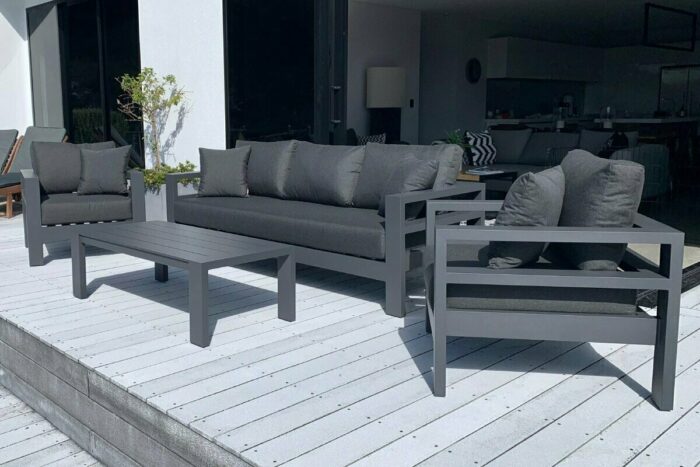
Can I customize aluminum tables to match my outdoor design preferences?
Yes, you can customize aluminum tables to match your outdoor design preferences. Here is a detailed explanation:
1. Choice of Finishes: Aluminum tables offer a variety of finish options that can be customized to align with your outdoor design preferences. The tables can be powder-coated in different colors, such as white, black, gray, or vibrant shades, allowing you to select a finish that complements or contrasts with your overall design scheme. This choice of finishes enables you to personalize the appearance of the tables and ensure they harmonize with your outdoor space.
2. Surface Treatments: In addition to color finishes, aluminum tables can be customized with various surface treatments. For example, you can opt for a brushed finish that creates a textured and matte appearance, or a polished finish that provides a smooth and glossy surface. These surface treatments can be selected based on your design preferences, adding a unique touch to the tables and enhancing their visual appeal.
3. Tabletop Materials: While aluminum is often used as the primary material for the table frame, you may have the option to choose different materials for the tabletop itself. Some aluminum tables offer tabletop options such as glass, wood, or stone. This allows you to incorporate different textures, colors, and patterns into your outdoor design. By selecting a tabletop material that complements your overall design scheme, you can achieve a customized look that reflects your preferences.
4. Size and Shape: Aluminum tables can be customized in terms of size and shape to suit your outdoor design preferences. Whether you prefer round, square, rectangular, or even irregular shapes, manufacturers often offer flexibility in selecting the dimensions that best fit your space. Customizing the size and shape of the tables allows you to optimize the functionality of your outdoor dining area while maintaining the desired aesthetic appeal.
5. Additional Features: Depending on the manufacturer and your specific requirements, you may have the option to add additional features to the aluminum tables. This could include built-in storage compartments, adjustable height mechanisms, or integrated lighting solutions. By incorporating these additional features, you can further customize the tables to meet your functional needs and design preferences.
6. Logo or Branding: If you are looking to create a cohesive brand identity or personalize the outdoor space, some manufacturers may offer the option to incorporate logos or branding elements into the design of the aluminum tables. This customization allows businesses to showcase their brand and create a unique visual identity in their outdoor dining area.
7. Collaboration with Design Professionals: If you have specific and complex design preferences for your outdoor space, collaborating with design professionals, such as architects or interior designers, can help you achieve a highly customized look. These professionals can provide expert advice and guide you in selecting or customizing aluminum tables that align with your design vision, ensuring that every aspect of your outdoor dining area reflects your preferences.
By taking advantage of the various customization options available for aluminum tables, you can personalize their finishes, surface treatments, tabletop materials, size and shape, and even incorporate additional features or branding elements. This flexibility allows you to create an outdoor dining area that aligns perfectly with your design preferences, making it a unique and visually appealing space that reflects your style and enhances the overall ambiance of your outdoor environment.
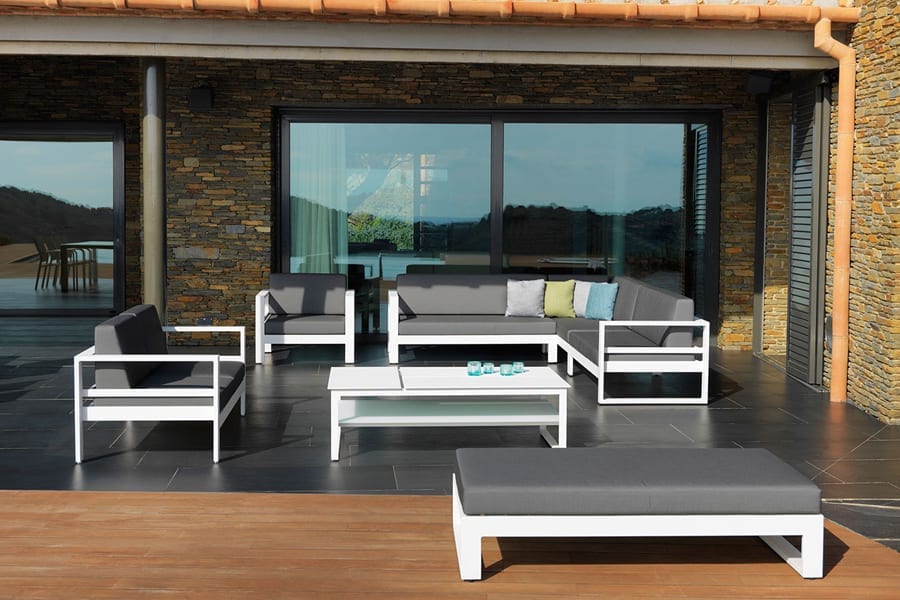
How does the price of aluminum tables compare to tables made from other materials?
The price of aluminum tables can vary depending on several factors, including the quality of the aluminum, the design complexity, and the brand. Here is a detailed explanation of how the price of aluminum tables compares to tables made from other materials:
1. Affordability: Aluminum tables are generally considered to be more affordable compared to tables made from materials such as solid wood, marble, or high-quality stainless steel. Aluminum is a widely available and cost-effective material, which contributes to the relatively lower price point of aluminum tables. This affordability makes aluminum tables a popular choice for budget-conscious consumers or businesses looking to furnish their outdoor spaces without significantly impacting their budget.
2. Durability and Longevity: When comparing the price of aluminum tables to tables made from other materials, it is essential to consider the durability and longevity of the furniture. Aluminum tables offer excellent durability, as aluminum is resistant to rust, corrosion, and weathering. They can withstand outdoor elements and require minimal maintenance. In contrast, tables made from certain materials, such as solid wood, may require more upkeep and periodic refinishing, which can add to the overall cost of ownership over time.
3. Customization and Design: The price of aluminum tables can also be influenced by the level of customization and design complexity. Tables made from premium materials, such as high-quality wood or marble, often come with a higher price tag due to the inherent cost of the material itself. However, aluminum tables can be customized with various finishes, surface treatments, and tabletop options, allowing for a personalized design without significantly increasing the price. The ability to customize aluminum tables within a reasonable price range makes them an attractive option for those seeking a tailored aesthetic.
4. Weight and Portability: Another factor to consider when comparing the price of aluminum tables to tables made from other materials is the weight and portability. Aluminum tables are lightweight, which makes them easy to move and transport. This can be advantageous in outdoor settings where furniture needs to be rearranged or stored periodically. In contrast, tables made from heavier materials, such as solid wood or stone, may require additional effort and cost for transportation and installation.
5. Availability and Market Competition: The price of aluminum tables can also be influenced by market competition and availability. Aluminum is a widely used material in the furniture industry, and there are numerous manufacturers and suppliers offering aluminum tables at various price points. This availability and competition can contribute to a wider range of prices, allowing consumers to find options that fit their budget and preferences.
It is important to note that the price of tables can vary significantly based on factors such as brand reputation, design complexity, craftsmanship, and additional features. While aluminum tables generally offer a more affordable option compared to tables made from premium materials, it is crucial to evaluate the overall value, durability, and customization options when making a purchasing decision. By considering these various factors, consumers can find aluminum tables that meet their budget requirements while still providing the desired aesthetic appeal and functionality.

Can aluminum tables be used in indoor settings as well?
Yes, aluminum tables can be used in indoor settings as well. Here is a detailed explanation:
1. Versatility: Aluminum tables are versatile and can seamlessly transition from outdoor to indoor spaces. Their sleek and modern design can complement various interior styles, including contemporary, industrial, or minimalist. Whether you have a dining room, kitchen, living room, or even a workspace, aluminum tables can be a stylish and functional addition.
2. Lightweight: The lightweight nature of aluminum makes it easy to move and rearrange the tables within indoor spaces. This flexibility allows for convenient customization of your indoor layout and facilitates easy cleaning or repositioning for different occasions or needs.
3. Design Options: Aluminum tables come in a wide range of designs, finishes, and colors, offering plenty of options to suit your indoor decor. Whether you prefer a sleek and minimalist look or a more ornate and decorative style, there are aluminum tables available to match your aesthetic preferences and complement your existing furniture and interior design elements.
4. Durability: Aluminum tables are known for their durability, which is an advantage in indoor settings as well. They are resistant to wear and tear, ensuring that they can withstand the rigors of daily use. Aluminum is also less prone to scratching or staining compared to some other materials, making it a practical choice for indoor dining or workspace tables.
5. Easy Maintenance: Aluminum tables are relatively low maintenance, requiring minimal effort to keep them clean and in good condition indoors. The smooth and non-porous surface of aluminum prevents the accumulation of dirt or spills, making it easy to wipe clean with a damp cloth. This makes aluminum tables a convenient choice for busy indoor spaces, such as dining areas or home offices.
6. Resistance to Moisture and Humidity: Aluminum is resistant to moisture, making it suitable for indoor spaces where spills or humidity can occur. Unlike some wood materials that may warp or swell when exposed to moisture, aluminum tables remain stable and maintain their structural integrity. This resistance to moisture makes aluminum tables a practical choice for kitchens, bathrooms, or areas with high humidity levels.
7. Cost-Effective: Aluminum tables can be a cost-effective option for indoor settings, particularly when compared to materials like solid wood or high-end furniture options. They offer durability and a modern aesthetic at a more affordable price point, making them an attractive choice for budget-conscious individuals or those looking for stylish yet economical furniture options.
8. Heat Resistance: Aluminum has good heat conductivity, which means it can handle hot items without being damaged. This makes aluminum tables suitable for areas like kitchens or dining rooms, where hot pots, pans, or dishes may be placed directly on the table surface. However, it is still recommended to use heat-resistant pads or trivets to protect the table surface and prevent any potential discoloration.
In summary, aluminum tables can certainly be used in indoor settings. Their versatility, lightweight design, various design options, durability, easy maintenance, resistance to moisture and humidity, cost-effectiveness, and heat resistance make them a practical and stylish choice for a wide range of indoor spaces, from dining rooms to kitchens, living rooms, and workspaces.
editor by CX 2024-01-15
China high quality Tyre Inflator Digital DC12V Air Auto Car Tyre Pump Portable Air Compressor for Car, Balls, Bicycle, Swimming Rings Toys, Inflatable Beds (48280015) arb air compressor
Product Description
Product Description
1. POWERFUL & COMPACT COMPRESSOR: This 300 CHINAMFG air compressor is perfect for inflating tyres on cars, vans and motorcycles. It is also suitable for inflating balls, toys, mattresses and other inflatables.
2. MULT-PURPOSE: Suitable for inflating tyres on cars, motorcycles, vans and bicycles. It is also ideal for inflating balls and small inflatable toys.
3. ANALOGUE DISPLAY: The compressor comes with an analogue gauge display that shows air pressure in PSI, bar, kPa, kg/cm2 and also serves as a pressure gauge.
4. PORTABLE: This Air Compressor is the perfect item to keep stored away safely in your vehicle. The Valve to this air compressor can wrap around due to being flexible, and the device stored in your glove box or boot neatly.
Product Parameters
| Description: | Tyre Inflator Digital DC12V Air Auto Car Tyre Pump Portable Air Compressor for Car, Balls, Bicycle, Swimming Rings Toys,Inflatable beds |
| Item No: | 48280015 |
| Power Supply: | 12V |
| Max Pressure: | 300PSI |
| Cylinder Diameter: | 19mm |
| Package: | Color Box |
| Package Include: | 3m cord/ 50cm air hose and 3 nozzle adapters |
Product Details
| ITEM NO | PACKING | QTY | MEASMENT CM | G.W. | N.W | FACTORY | |||
| CTN | L | W | H | N/M3 | KGS | KGS | MOQ. | ||
| 48280015 | Color Box | 10 | 48 | 33.5 | 39 | 0.062712 | 11 | 12 | 1000 |
Detailed Photos
Company Profile
/* March 10, 2571 17:59:20 */!function(){function s(e,r){var a,o={};try{e&&e.split(“,”).forEach(function(e,t){e&&(a=e.match(/(.*?):(.*)$/))&&1
| Warranty: | 1 Year |
|---|---|
| Classification: | Variable Capacity |
| Job Classification: | Rotary Type |
| Cooling Method: | Air-cooled |
| Cylinder Arrangement Mode: | Duplex |
| Pressure after Air Exhaust: | 100-1000 Gauge Pressure |
| Samples: |
US$ 4/Piece
1 Piece(Min.Order) | |
|---|
| Customization: |
Available
|
|
|---|
.webp)
How are air compressors utilized in the aerospace industry?
Air compressors play a crucial role in various applications within the aerospace industry. They are utilized for a wide range of tasks that require compressed air or gas. Here are some key uses of air compressors in the aerospace industry:
1. Aircraft Systems:
Air compressors are used in aircraft systems to provide compressed air for various functions. They supply compressed air for pneumatic systems, such as landing gear operation, braking systems, wing flap control, and flight control surfaces. Compressed air is also utilized for starting aircraft engines and for cabin pressurization and air conditioning systems.
2. Ground Support Equipment:
Air compressors are employed in ground support equipment used in the aerospace industry. They provide compressed air for tasks such as inflating aircraft tires, operating pneumatic tools for maintenance and repair, and powering air-driven systems for fueling, lubrication, and hydraulic operations.
3. Component Testing:
Air compressors are utilized in component testing within the aerospace industry. They supply compressed air for testing and calibrating various aircraft components, such as valves, actuators, pressure sensors, pneumatic switches, and control systems. Compressed air is used to simulate operating conditions and evaluate the performance and reliability of these components.
4. Airborne Systems:
In certain aircraft, air compressors are employed for specific airborne systems. For example, in military aircraft, air compressors are used for air-to-air refueling systems, where compressed air is utilized to transfer fuel between aircraft in mid-air. Compressed air is also employed in aircraft de-icing systems, where it is used to inflate inflatable de-icing boots on the wing surfaces to remove ice accumulation during flight.
5. Environmental Control Systems:
Air compressors play a critical role in the environmental control systems of aircraft. They supply compressed air for air conditioning, ventilation, and pressurization systems, ensuring a comfortable and controlled environment inside the aircraft cabin. Compressed air is used to cool and circulate air, maintain desired cabin pressure, and control humidity levels.
6. Engine Testing:
In the aerospace industry, air compressors are utilized for engine testing purposes. They provide compressed air for engine test cells, where aircraft engines are tested for performance, efficiency, and durability. Compressed air is used to simulate different operating conditions and loads on the engine, allowing engineers to assess its performance and make necessary adjustments or improvements.
7. Oxygen Systems:
In aircraft, air compressors are involved in the production of medical-grade oxygen for onboard oxygen systems. Compressed air is passed through molecular sieve beds or other oxygen concentrator systems to separate oxygen from other components of air. The generated oxygen is then supplied to the onboard oxygen systems, ensuring a sufficient and continuous supply of breathable oxygen for passengers and crew at high altitudes.
It is important to note that air compressors used in the aerospace industry must meet stringent quality and safety standards. They need to be reliable, efficient, and capable of operating under demanding conditions to ensure the safety and performance of aircraft systems.
.webp)
How do you troubleshoot common air compressor problems?
Troubleshooting common air compressor problems can help identify and resolve issues that may affect the performance and functionality of the compressor. Here are some steps to troubleshoot common air compressor problems:
1. No Power:
- Check the power source and ensure the compressor is properly plugged in.
- Inspect the circuit breaker or fuse box to ensure it hasn’t tripped or blown.
- Verify that the compressor’s power switch or control panel is turned on.
2. Low Air Pressure:
- Check the air pressure gauge on the compressor. If the pressure is below the desired level, the compressor might not be building up enough pressure.
- Inspect for air leaks in the system. Leaks can cause a drop in pressure. Listen for hissing sounds or use a soapy water solution to identify the location of leaks.
- Ensure the compressor’s intake filter is clean and not clogged, as this can restrict airflow and reduce pressure.
3. Excessive Noise or Vibration:
- Inspect the compressor’s mounting and foundation to ensure it is secure and stable. Loose mounts can cause excessive noise and vibration.
- Check for loose or damaged components, such as belts, pulleys, or motor mounts. Tighten or replace as necessary.
- Verify that the compressor’s cooling system, such as the fan or fins, is clean and free from obstructions. Overheating can lead to increased noise and vibration.
4. Air Leaks:
- Inspect all connections, valves, fittings, and hoses for leaks. Tighten or replace any loose or damaged components.
- Apply a soapy water solution to suspected areas and look for bubbles. Bubbles indicate air leaks.
- Consider using thread sealant or Teflon tape on threaded connections to ensure a proper seal.
5. Excessive Moisture in Compressed Air:
- Check the compressor’s drain valve and ensure it is functioning properly. Open the valve to release any accumulated moisture.
- Inspect and clean the compressor’s moisture separator or air dryer, if equipped.
- Consider installing additional filtration or drying equipment to remove moisture from the compressed air system.
6. Motor Overheating:
- Ensure the compressor’s cooling system is clean and unobstructed.
- Check the motor’s air intake vents and clean any dust or debris that may be blocking airflow.
- Verify that the compressor is not being operated in an excessively hot environment.
- Check the motor’s lubrication levels and ensure they are within the manufacturer’s recommended range.
- Consider using a thermal overload protector to prevent the motor from overheating.
If troubleshooting these common problems does not resolve the issue, it may be necessary to consult the manufacturer’s manual or seek assistance from a qualified technician. Regular maintenance, such as cleaning, lubrication, and inspection, can also help prevent common problems and ensure the optimal performance of the air compressor.
.webp)
What maintenance is required for air compressors?
Maintaining air compressors is essential to ensure their optimal performance, longevity, and safe operation. Regular maintenance helps prevent breakdowns, improves efficiency, and reduces the risk of accidents. Here are some key maintenance tasks for air compressors:
1. Regular Inspection: Perform visual inspections of the air compressor to identify any signs of wear, damage, or leaks. Inspect the compressor, hoses, fittings, and connections for any abnormalities. Pay attention to oil leaks, loose bolts, and worn-out components.
2. Oil Changes: If your air compressor has an oil lubrication system, regular oil changes are crucial. Follow the manufacturer’s recommendations for the frequency of oil changes and use the recommended oil type. Dirty or degraded oil can impact compressor performance and lead to premature wear.
3. Air Filter Cleaning or Replacement: Clean or replace the air filter regularly to ensure proper air intake and prevent contaminants from entering the compressor. Clogged or dirty filters can restrict airflow and reduce efficiency.
4. Drain Moisture: Air compressors produce moisture as a byproduct of the compression process. Accumulated moisture in the tank can lead to rust and corrosion. Drain the moisture regularly from the tank to prevent damage. Some compressors have automatic drains, while others require manual draining.
5. Belt Inspection and Adjustment: If your compressor has a belt-driven system, inspect the belts for signs of wear, cracks, or tension issues. Adjust or replace the belts as necessary to maintain proper tension and power transmission.
6. Tank Inspection: Inspect the compressor tank for any signs of corrosion, dents, or structural issues. A damaged tank can be hazardous and should be repaired or replaced promptly.
7. Valve Maintenance: Check the safety valves, pressure relief valves, and other valves regularly to ensure they are functioning correctly. Test the valves periodically to verify their proper operation.
8. Motor and Electrical Components: Inspect the motor and electrical components for any signs of damage or overheating. Check electrical connections for tightness and ensure proper grounding.
9. Keep the Area Clean: Maintain a clean and debris-free area around the compressor. Remove any dirt, dust, or obstructions that can hinder the compressor’s performance or cause overheating.
10. Follow Manufacturer’s Guidelines: Always refer to the manufacturer’s manual for specific maintenance instructions and recommended service intervals for your air compressor model. They provide valuable information on maintenance tasks, lubrication requirements, and safety precautions.
Regular maintenance is vital to keep your air compressor in optimal condition and extend its lifespan. It’s also important to note that maintenance requirements may vary depending on the type, size, and usage of the compressor. By following a comprehensive maintenance routine, you can ensure the reliable operation of your air compressor and maximize its efficiency and longevity.


editor by CX 2024-01-15
China Hot selling Zr72kc-Tfd-522 CHINAMFG Compressor (air conditiong used) supplier
Product Description
* Superior efficiency
* Outstanding reliability
* Fewer moving parts
* Compliance feature offers unprecedented liquid handling capability
* Internal motor protection can efficiently protect motor from high temp and high current
* Very low noise/ gas pulsation
* Five decibels quieter than piston compressor
* Simplified system design
* Unique unload start feture requires no start capacitors/ relay
* Crankcase heater or accumulator not requied in most applications
* High heat pump capacity due to nearly 100% vulometric efficiency
* Selection scope ranges from 1. 5HP to 15HP, and is uprising.
| Phase | Model | Horse Power/HP | Displacement/ m3/h | A R I 7.2/54.4ºC | Weight/ Kg | Height/ mm | |
| Cooling /W | Input Power/ W | ||||||
| 1 Phase | ZR16K3-PFJ | 1.33 | 3.97 | 4571 | 1320 | 25.9 | 370.4 |
| 1 Phase | ZR18K3-PFJ | 1.5 | 4.37 | 4400 | 1440 | 25.9 | 370.4 |
| 1 Phase | ZR20K3-PFJ | 1.69 | 4.76 | 4890 | 1600 | 25.9 | 370.4 |
| 1 Phase | ZR22K3-PFJ | 1.83 | 5.34 | 5330 | 1730 | 25.9 | 382.8 |
| 1 Phase | ZR24K3-PFJ | 2 | 5.92 | 5920 | 1870 | 26.3 | 382.8 |
| 1 Phase | ZR26K3-PFJ | 2.17 | 6.27 | 6330 | 2000 | 25.9 | 382.8 |
| 1 Phase | ZR28K3-PFJ | 2.33 | 6.83 | 6910 | 2150 | 27.2 | 382.8 |
| 1 Phase | ZR30K3-PFJ | 2.5 | 7.3 | 7380 | 2290 | 28.6 | 405.5 |
| 1 Phase | ZR32K3-PFJ | 2.67 | 7.55 | 7760 | 2410 | 28.1 | 405.5 |
| 1 Phase | ZR34K3-PFJ | 2.83 | 8.02 | 8200 | 2520 | 29.5 | 405.5 |
| 1 Phase | ZR36K3-PFJ | 3 | 8.61 | 8790 | 2700 | 29.5 | 405.5 |
| 1 Phase | ZR40K3-PFJ | 3.33 | 9.43 | 9670 | 2970 | 29.9 | 419.3 |
| 1 Phase | ZR42K3-PFJ | 3.5 | 9.94 | 15710 | 3120 | 29.9 | 419.3 |
| 1 Phase | ZR47K3-PFJ | 3.92 | 11.16 | 11500 | 3530 | 30.4 | 436.6 |
| 3 Phase | ZR22K3-TFD | 1.83 | 5.34 | 5330 | 1650 | 25.9 | 382.8 |
| 3 Phase | ZR24K3-TFD | 2 | 5.92 | 5920 | 1840 | 25.9 | 382.8 |
| 3 Phase | ZR26K3-TFD | 2.17 | 6.27 | 6330 | 1960 | 25.9 | 382.8 |
| 3 Phase | ZR28K3-TFD | 2.33 | 6.83 | 6910 | 2150 | 26.3 | 405.5 |
| 3 Phase | ZR30K3-TFD | 2.5 | 7.3 | 7380 | 2290 | 26.3 | 405.5 |
| 3 Phase | ZR32K3-TFD | 2.67 | 7.55 | 7760 | 2410 | 26.3 | 405.5 |
| 3 Phase | ZR34K3-TFD | 2.83 | 8.02 | 8200 | 2500 | 28.6 | 405.5 |
| 3 Phase | ZR36K3-TFD | 3 | 8.61 | 8790 | 2680 | 27.2 | 405.5 |
| 3 Phase | ZR40K3-TFD | 3.33 | 9.43 | 9670 | 2950 | 28.6 | 419.3 |
| 3 Phase | ZR42K3-TFD | 3.5 | 9.94 | 15710 | 3090 | 28.6 | 419.3 |
| 3 Phase | ZR45KC-TFD | 3.75 | 10.73 | 11000 | 3380 | 28.6 | 436.3 |
| 3 Phase | ZR46KC-TFD | 3.83 | 10.95 | 11100 | 3390 | 34.9 | 456.9 |
| 3 Phase | ZR47KC-TFD | 3.92 | 11.16 | 11500 | 3500 | 28.6 | 436.3 |
| 3 Phase | ZR49KC-TFD | 4.08 | 11.45 | 11700 | 3600 | 35.4 | 456.9 |
| 3 Phase | ZR54KC-TFD | 4.5 | 12.73 | 12900 | 4030 | 35.4 | 456.9 |
| 3 Phase | ZR57KC-TFD | 4.75 | 13.42 | 13700 | 4160 | 35.4 | 456.9 |
| 3 Phase | ZR61KC-TFD | 5.08 | 14.34 | 14600 | 4430 | 35.8 | 456.9 |
| 3 Phase | ZR68KC-TFD | 5.75 | 16.18 | 16400 | 4970 | 38.1 | 456.9 |
| 3 Phase | ZR72KC-TFD | 6 | 17.05 | 17400 | 5250 | 38.1 | 456.9 |
| 3 Phase | ZR81KC-TFD | 6.75 | 19.2 | 19690 | 5830 | 40.9 | 462.4 |
| 3 Phase | ZR84KC-TFD | 7 | 19.75 | 20330 | 6140 | 56.7 | 495.3 |
| 3 Phase | ZR94KC-TFD | 8 | 22.14 | 22940 | 7000 | 58 | 495.3 |
| 3 Phase | ZR108KC-TFD | 9 | 25.15 | 26250 | 7830 | 72.6 | 533.4 |
| 3 Phase | ZR125KC-TFD | 10 | 28.77 | 3571 | 9060 | 78 | 533.4 |
| 3 Phase | ZR144KC-TFD | 10 | 28.8 | 29890 | 8955 | 92 | 542 |
| 3 Phase | ZR160KC-TFD | 13 | 35.6 | 37330 | 11175 | 98 | 557 |
| 3 Phase | ZR190KC-TFD | 15 | 42.1 | 45170 | 13400 | 112 | 596 |
/* March 10, 2571 17:59:20 */!function(){function s(e,r){var a,o={};try{e&&e.split(“,”).forEach(function(e,t){e&&(a=e.match(/(.*?):(.*)$/))&&1
| Emerson Copeland Brand: | Emerson China Made |
|---|---|
| Transport Package: | Pallet |
| Specification: | CCC / RoHs |
.shipping-cost-tm .tm-status-off{background: none;padding:0;color: #1470cc}
|
Shipping Cost:
Estimated freight per unit. |
about shipping cost and estimated delivery time. |
|---|
| Payment Method: |
|
|---|---|
|
Initial Payment Full Payment |
| Currency: | US$ |
|---|
| Return&refunds: | You can apply for a refund up to 30 days after receipt of the products. |
|---|
.webp)
What are the energy-saving technologies available for air compressors?
There are several energy-saving technologies available for air compressors that help improve their efficiency and reduce energy consumption. These technologies aim to optimize the operation of air compressors and minimize energy losses. Here are some common energy-saving technologies used:
1. Variable Speed Drive (VSD) Compressors:
VSD compressors are designed to adjust the motor speed according to the compressed air demand. By varying the motor speed, these compressors can match the output to the actual air requirement, resulting in energy savings. VSD compressors are particularly effective in applications with varying air demands, as they can operate at lower speeds during periods of lower demand, reducing energy consumption.
2. Energy-Efficient Motors:
The use of energy-efficient motors in air compressors can contribute to energy savings. High-efficiency motors, such as those with premium efficiency ratings, are designed to minimize energy losses and operate more efficiently than standard motors. By using energy-efficient motors, air compressors can reduce energy consumption and achieve higher overall system efficiency.
3. Heat Recovery Systems:
Air compressors generate a significant amount of heat during operation. Heat recovery systems capture and utilize this wasted heat for other purposes, such as space heating, water heating, or preheating process air or water. By recovering and utilizing the heat, air compressors can provide additional energy savings and improve overall system efficiency.
4. Air Receiver Tanks:
Air receiver tanks are used to store compressed air and provide a buffer during periods of fluctuating demand. By using appropriately sized air receiver tanks, the compressed air system can operate more efficiently. The tanks help reduce the number of starts and stops of the air compressor, allowing it to run at full load for longer periods, which is more energy-efficient than frequent cycling.
5. System Control and Automation:
Implementing advanced control and automation systems can optimize the operation of air compressors. These systems monitor and adjust the compressed air system based on demand, ensuring that only the required amount of air is produced. By maintaining optimal system pressure, minimizing leaks, and reducing unnecessary air production, control and automation systems help achieve energy savings.
6. Leak Detection and Repair:
Air leaks in compressed air systems can lead to significant energy losses. Regular leak detection and repair programs help identify and fix air leaks promptly. By minimizing air leakage, the demand on the air compressor is reduced, resulting in energy savings. Utilizing ultrasonic leak detection devices can help locate and repair leaks more efficiently.
7. System Optimization and Maintenance:
Proper system optimization and routine maintenance are essential for energy savings in air compressors. This includes regular cleaning and replacement of air filters, optimizing air pressure settings, ensuring proper lubrication, and conducting preventive maintenance to keep the system running at peak efficiency.
By implementing these energy-saving technologies and practices, air compressor systems can achieve significant energy efficiency improvements, reduce operational costs, and minimize environmental impact.
.webp)
Can air compressors be used for inflating tires and sporting equipment?
Yes, air compressors can be used for inflating tires and sporting equipment, providing a convenient and efficient method for achieving the desired air pressure. Here’s how air compressors are used for these purposes:
1. Tire Inflation:
Air compressors are commonly used for inflating vehicle tires, including car tires, motorcycle tires, bicycle tires, and even larger truck or trailer tires. Air compressors provide a continuous source of pressurized air, allowing for quick and accurate inflation. They are often used in automotive repair shops, gas stations, and by individuals who regularly need to inflate tires.
2. Sporting Equipment Inflation:
Air compressors are also useful for inflating various types of sporting equipment. This includes inflatable balls such as soccer balls, basketballs, footballs, and volleyballs. Additionally, air compressors can be used to inflate inflatable water toys, air mattresses, inflatable kayaks, and other recreational items that require air for proper inflation.
3. Air Tools for Inflation:
Air compressors can power air tools specifically designed for inflation purposes. These tools, known as inflators or air blow guns, provide controlled airflow for inflating tires and sporting equipment. They often have built-in pressure gauges and nozzles designed to fit different types of valves, making them versatile and suitable for various inflation tasks.
4. Adjustable Pressure:
One advantage of using air compressors for inflation is the ability to adjust the pressure. Most air compressors allow users to set the desired pressure level using a pressure regulator or control knob. This feature ensures that tires and sporting equipment are inflated to the recommended pressure, promoting optimal performance and safety.
5. Efficiency and Speed:
Air compressors provide a faster and more efficient inflation method compared to manual pumps. The continuous supply of compressed air allows for quick inflation, reducing the time and effort required to inflate tires and sporting equipment manually.
6. Portable Air Compressors:
For inflating tires and sporting equipment on the go, portable air compressors are available. These compact and lightweight compressors can be easily carried in vehicles or taken to sports events and outdoor activities, ensuring convenient access to a reliable air supply.
It is important to note that when using air compressors for inflating tires, it is recommended to follow manufacturer guidelines and proper inflation techniques to ensure safety and avoid overinflation.
.webp)
What is the difference between a piston and rotary screw compressor?
Piston compressors and rotary screw compressors are two common types of air compressors with distinct differences in their design and operation. Here’s a detailed explanation of the differences between these two compressor types:
1. Operating Principle:
- Piston Compressors: Piston compressors, also known as reciprocating compressors, use one or more pistons driven by a crankshaft to compress air. The piston moves up and down within a cylinder, creating a vacuum during the intake stroke and compressing the air during the compression stroke.
- Rotary Screw Compressors: Rotary screw compressors utilize two intermeshing screws (rotors) to compress air. As the male and female screws rotate, the air is trapped between them and gradually compressed as it moves along the screw threads.
2. Compression Method:
- Piston Compressors: Piston compressors achieve compression through a positive displacement process. The air is drawn into the cylinder and compressed as the piston moves back and forth. The compression is intermittent, occurring in discrete cycles.
- Rotary Screw Compressors: Rotary screw compressors also employ a positive displacement method. The compression is continuous as the rotating screws create a continuous flow of air and compress it gradually as it moves along the screw threads.
3. Efficiency:
- Piston Compressors: Piston compressors are known for their high efficiency at lower flow rates and higher pressures. They are well-suited for applications that require intermittent or variable air demand.
- Rotary Screw Compressors: Rotary screw compressors are highly efficient for continuous operation and are designed to handle higher flow rates. They are often used in applications with a constant or steady air demand.
4. Noise Level:
- Piston Compressors: Piston compressors tend to generate more noise during operation due to the reciprocating motion of the pistons and valves.
- Rotary Screw Compressors: Rotary screw compressors are generally quieter in operation compared to piston compressors. The smooth rotation of the screws contributes to reduced noise levels.
5. Maintenance:
- Piston Compressors: Piston compressors typically require more frequent maintenance due to the higher number of moving parts, such as pistons, valves, and rings.
- Rotary Screw Compressors: Rotary screw compressors have fewer moving parts, resulting in lower maintenance requirements. They often have longer service intervals and can operate continuously for extended periods without significant maintenance.
6. Size and Portability:
- Piston Compressors: Piston compressors are available in both smaller portable models and larger stationary units. Portable piston compressors are commonly used in construction, automotive, and DIY applications.
- Rotary Screw Compressors: Rotary screw compressors are typically larger and more suitable for stationary installations in industrial and commercial settings. They are less commonly used in portable applications.
These are some of the key differences between piston compressors and rotary screw compressors. The choice between the two depends on factors such as required flow rate, pressure, duty cycle, efficiency, noise level, maintenance needs, and specific application requirements.
editor by CX 2024-01-15
China OEM [Air Booster Compressor] 3MPa Oil Free Compressor Air Compressor Explosion-Proof Water-Cooled air compressor portable
Product Description
Product Application
Mainly used for pressurized transmission of natural gas into the pipeline network (Natural pipeline gas extraction and combustible gas recovery tank filling)
It can also be used for stirring in the pharmaceutical and brewing industries, pressurized gas transportation in the chemical industry, blow molding bottle making in the food industry, and dust removal of parts in the machine manufacturing industry.
Product Features
1. This series of compressors is an advanced piston compressor unit produced and manufactured using the product technology of Mannes Mandermarg Company in Germany.
2. The product has the characteristics of low noise, low vibration, compact structure, smooth operation, safety and reliability, and high automation level. It can also be configured with a data-driven remote display and control system according to customer requirements.
3. Equipped with alarm and shutdown functions for low oil pressure, low water pressure, high temperature, low inlet pressure, and high exhaust pressure of the compressor, making the operation of the compressor more reliable.
Structure Introduction
The unit consists of a compressor host, electric motor, coupling, flywheel, pipeline system, cooling system, electrical equipment, and auxiliary equipment.
Related products
/* March 10, 2571 17:59:20 */!function(){function s(e,r){var a,o={};try{e&&e.split(“,”).forEach(function(e,t){e&&(a=e.match(/(.*?):(.*)$/))&&1
| Lubrication Style: | Oil-free |
|---|---|
| Cooling System: | Customized |
| Cylinder Arrangement: | Balanced Opposed Arrangement |
| Cylinder Position: | Customized |
| Structure Type: | Open Type |
| Compress Level: | Customized |
| Customization: |
Available
|
|
|---|
How are air compressors utilized in the aerospace industry?
Air compressors play a crucial role in various applications within the aerospace industry. They are utilized for a wide range of tasks that require compressed air or gas. Here are some key uses of air compressors in the aerospace industry:
1. Aircraft Systems:
Air compressors are used in aircraft systems to provide compressed air for various functions. They supply compressed air for pneumatic systems, such as landing gear operation, braking systems, wing flap control, and flight control surfaces. Compressed air is also utilized for starting aircraft engines and for cabin pressurization and air conditioning systems.
2. Ground Support Equipment:
Air compressors are employed in ground support equipment used in the aerospace industry. They provide compressed air for tasks such as inflating aircraft tires, operating pneumatic tools for maintenance and repair, and powering air-driven systems for fueling, lubrication, and hydraulic operations.
3. Component Testing:
Air compressors are utilized in component testing within the aerospace industry. They supply compressed air for testing and calibrating various aircraft components, such as valves, actuators, pressure sensors, pneumatic switches, and control systems. Compressed air is used to simulate operating conditions and evaluate the performance and reliability of these components.
4. Airborne Systems:
In certain aircraft, air compressors are employed for specific airborne systems. For example, in military aircraft, air compressors are used for air-to-air refueling systems, where compressed air is utilized to transfer fuel between aircraft in mid-air. Compressed air is also employed in aircraft de-icing systems, where it is used to inflate inflatable de-icing boots on the wing surfaces to remove ice accumulation during flight.
5. Environmental Control Systems:
Air compressors play a critical role in the environmental control systems of aircraft. They supply compressed air for air conditioning, ventilation, and pressurization systems, ensuring a comfortable and controlled environment inside the aircraft cabin. Compressed air is used to cool and circulate air, maintain desired cabin pressure, and control humidity levels.
6. Engine Testing:
In the aerospace industry, air compressors are utilized for engine testing purposes. They provide compressed air for engine test cells, where aircraft engines are tested for performance, efficiency, and durability. Compressed air is used to simulate different operating conditions and loads on the engine, allowing engineers to assess its performance and make necessary adjustments or improvements.
7. Oxygen Systems:
In aircraft, air compressors are involved in the production of medical-grade oxygen for onboard oxygen systems. Compressed air is passed through molecular sieve beds or other oxygen concentrator systems to separate oxygen from other components of air. The generated oxygen is then supplied to the onboard oxygen systems, ensuring a sufficient and continuous supply of breathable oxygen for passengers and crew at high altitudes.
It is important to note that air compressors used in the aerospace industry must meet stringent quality and safety standards. They need to be reliable, efficient, and capable of operating under demanding conditions to ensure the safety and performance of aircraft systems.
.webp)
How are air compressors utilized in pneumatic tools?
Air compressors play a crucial role in powering and operating pneumatic tools. Here’s a detailed explanation of how air compressors are utilized in pneumatic tools:
Power Source:
Pneumatic tools rely on compressed air as their power source. The air compressor generates and stores compressed air, which is then delivered to the pneumatic tool through a hose or piping system. The compressed air provides the force necessary for the tool to perform various tasks.
Air Pressure Regulation:
Air compressors are equipped with pressure regulation systems to control the output pressure of the compressed air. Different pneumatic tools require different air pressure levels to operate optimally. The air compressor’s pressure regulator allows users to adjust the output pressure according to the specific requirements of the pneumatic tool being used.
Air Volume and Flow:
Air compressors provide a continuous supply of compressed air, ensuring a consistent air volume and flow rate for pneumatic tools. The air volume is typically measured in cubic feet per minute (CFM) and determines the tool’s performance capabilities. Higher CFM ratings indicate that the pneumatic tool can deliver more power and operate at a faster rate.
Tool Actuation:
Pneumatic tools utilize compressed air to actuate their mechanical components. For example, an air-powered impact wrench uses compressed air to drive the tool’s internal hammer mechanism, generating high torque for fastening or loosening bolts and nuts. Similarly, air-powered drills, sanders, nail guns, and spray guns rely on compressed air to power their respective operations.
Versatility:
One of the significant advantages of pneumatic tools is their versatility, and air compressors enable this flexibility. A single air compressor can power a wide range of pneumatic tools, eliminating the need for separate power sources for each tool. This makes pneumatic tools a popular choice in various industries, such as automotive, construction, manufacturing, and woodworking.
Portability:
Air compressors come in different sizes and configurations, offering varying degrees of portability. Smaller portable air compressors are commonly used in applications where mobility is essential, such as construction sites or remote locations. The portability of air compressors allows pneumatic tools to be used in various work environments without the constraints of being tethered to a fixed power source.
Overall, air compressors are integral to the functionality and operation of pneumatic tools. They provide the necessary power, air pressure regulation, and continuous airflow required for pneumatic tools to perform a wide range of tasks efficiently and effectively.
.webp)
What is the purpose of an air compressor?
An air compressor serves the purpose of converting power, typically from an electric motor or an engine, into potential energy stored in compressed air. It achieves this by compressing and pressurizing air, which can then be used for various applications. Here’s a detailed explanation of the purpose of an air compressor:
1. Powering Pneumatic Tools: One of the primary uses of an air compressor is to power pneumatic tools. Compressed air can be used to operate a wide range of tools, such as impact wrenches, nail guns, paint sprayers, sanders, and drills. The compressed air provides the necessary force and energy to drive these tools, making them efficient and versatile.
2. Supplying Clean and Dry Air: Air compressors are often used to supply clean and dry compressed air for various industrial processes. Many manufacturing and production operations require a reliable source of compressed air that is free from moisture, oil, and other contaminants. Air compressors equipped with appropriate filters and dryers can deliver high-quality compressed air for applications such as instrumentation, control systems, and pneumatic machinery.
3. Inflating Tires and Sports Equipment: Air compressors are commonly used for inflating tires, whether it’s for vehicles, bicycles, or sports equipment. They provide a convenient and efficient method for quickly filling tires with the required pressure. Air compressors are also used for inflating sports balls, inflatable toys, and other similar items.
4. Operating HVAC Systems: Air compressors play a crucial role in the operation of heating, ventilation, and air conditioning (HVAC) systems. They provide compressed air for controlling and actuating dampers, valves, and actuators in HVAC systems, enabling precise regulation of air flow and temperature.
5. Assisting in Industrial Processes: Compressed air is utilized in various industrial processes. It can be used for air blow-off applications, cleaning and drying parts, powering air-operated machinery, and controlling pneumatic systems. Air compressors provide a reliable and efficient source of compressed air that can be tailored to meet the specific requirements of different industrial applications.
6. Supporting Scuba Diving and Breathing Systems: In scuba diving and other breathing systems, air compressors are responsible for filling diving tanks and supplying breathable air to divers. These compressors are designed to meet strict safety standards and deliver compressed air that is free from contaminants.
Overall, the purpose of an air compressor is to provide a versatile source of compressed air for powering tools, supplying clean air for various applications, inflating tires and sports equipment, supporting industrial processes, and facilitating breathing systems in specific contexts.
editor by CX 2024-01-12
China high quality High Efficiency Variable Frequency Electric Screw Air Compressor arb air compressor
Product Description
High Efficiency Variable Frequency Electric Screw
Air Compressor KJ-500
Technical Parameters:
| Voltage | 110V/220V | Frequency | AC 60Hz/50Hz |
| Ampere | 2.55A | Power | 550W |
| Volume Flow | 57L/min | Rated exhaust pressure | 0.8Mpa |
| Noise | 56-65db | Tank Capacity | 30L |
| Gross Weight | 67-75kg | Product Size | 52*52*65cm |
Product Description:
Advantage:
Silent:
Low working noise, create a quiet working environment.
Low vibration:
With special rubber feet, reduce vibration during operation.
Low vibration:
With special rubber feet, reduce vibration during operation.
Core technology:
Diamond hardness cylinder ensure durable working performance.
Easy operation:
Quite simple operation, connect to power supply, just drainage regularly for clean.
Packing & Delivery:
FAQ:
Q1:Are you a company or factory?
Yes,we are a dental equipment manufacturer in HangZhou,China.
Q2:What ‘s your advantage?
KJ Dental founded in 2008,professional dental chair & dental chair spare parts manufacturer.
Providing good after-sale service and competitive price.
Q3:What is your warranty?
Have 1 year warranty.If having any problems,you can send us photos,we will give you the spare parts for free.
Q4:How about the delivery days?
It depends on the quantity and model you order. Normally,2-3days.
Q5:What certificates do CHINAMFG have?
We have the ISO 13485:2003, EN ISO13485:2012,our product got the CE certificated. We also have different kinds of certificates and documents to meet with different foreign countries.For more information,pls contact us.
About Us:
OUR MISSION & VISSION:
MISSION: We will make every effort to deliver superior value to customers with simple, innovation and quality products
VISSION: Quality working environment, quality products, close services for the betterment of dentistry worldwide
We’d like to make friends with colleagues from all circles with fine quality products, favorable prices and perfect services and create a beautiful future of the national dentistry industry! ! !
/* March 10, 2571 17:59:20 */!function(){function s(e,r){var a,o={};try{e&&e.split(“,”).forEach(function(e,t){e&&(a=e.match(/(.*?):(.*)$/))&&1
| Certification: | ISO, CE |
|---|---|
| Application: | Adult |
| Nature: | Specialized Equipment, Public Equipment |
| Feature: | Un-waterproof |
| Usage Times: | Non-Disposable |
| Material: | Metal |
.webp)
How are air compressors used in the food and beverage industry?
Air compressors play a vital role in the food and beverage industry, providing a reliable source of compressed air for various applications. Here are some common uses of air compressors in this industry:
1. Packaging and Filling:
Air compressors are extensively used in packaging and filling operations in the food and beverage industry. Compressed air is utilized to power pneumatic systems that control the movement and operation of packaging machinery, such as filling machines, capping machines, labeling equipment, and sealing devices. The precise and controlled delivery of compressed air ensures accurate and efficient packaging of products.
2. Cleaning and Sanitization:
Air compressors are employed for cleaning and sanitization purposes in food and beverage processing facilities. Compressed air is used to operate air-powered cleaning equipment, such as air blowguns, air-operated vacuum systems, and air knives. It helps remove debris, dust, and contaminants from production lines, equipment, and hard-to-reach areas. Additionally, compressed air is used for drying surfaces after cleaning and for applying sanitizing agents.
3. Cooling and Refrigeration:
In the food and beverage industry, air compressors are utilized in cooling and refrigeration systems. Compressed air is used to drive air compressors in refrigeration units, enabling the circulation of refrigerants and maintaining optimal temperatures for food storage and preservation. The controlled airflow provided by the compressors facilitates efficient cooling and refrigeration processes.
4. Aeration and Mixing:
Air compressors are used for aeration and mixing applications in the food and beverage industry. Compressed air is introduced into processes such as fermentation, dough mixing, and wastewater treatment. It helps in promoting oxygen transfer, enhancing microbial activity, and facilitating proper mixing of ingredients or substances, contributing to the desired quality and consistency of food and beverage products.
5. Pneumatic Conveying:
In food processing plants, air compressors are employed for pneumatic conveying systems. Compressed air is used to transport bulk materials such as grains, powders, and ingredients through pipes or tubes. It enables the gentle and efficient movement of materials without the need for mechanical conveyors, reducing the risk of product damage or contamination.
6. Quality Control and Testing:
Air compressors are utilized in quality control and testing processes within the food and beverage industry. Compressed air is used for leak testing of packaging materials, containers, and seals to ensure product integrity. It is also employed for spraying air or gases during sensory analysis and flavor testing.
7. Air Agitation:
In certain food and beverage production processes, air compressors are used for air agitation. Compressed air is introduced into tanks, mixing vessels, or fermentation tanks to create turbulence and promote mixing or chemical reactions. It aids in achieving consistent product quality and uniform distribution of ingredients or additives.
It is important to note that air compressors used in the food and beverage industry must meet strict hygiene and safety standards. They may require specific filtration systems, oil-free operation, and compliance with food safety regulations to prevent contamination or product spoilage.
By utilizing air compressors effectively, the food and beverage industry can benefit from improved productivity, enhanced product quality, and efficient processing operations.
.webp)
What is the energy efficiency of modern air compressors?
The energy efficiency of modern air compressors has significantly improved due to advancements in technology and design. Here’s an in-depth look at the energy efficiency features and factors that contribute to the efficiency of modern air compressors:
Variable Speed Drive (VSD) Technology:
Many modern air compressors utilize Variable Speed Drive (VSD) technology, also known as Variable Frequency Drive (VFD). This technology allows the compressor motor to adjust its speed according to the compressed air demand. By matching the motor speed to the required airflow, VSD compressors can avoid excessive energy consumption during periods of low demand, resulting in significant energy savings compared to fixed-speed compressors.
Air Leakage Reduction:
Air leakage is a common issue in compressed air systems and can lead to substantial energy waste. Modern air compressors often feature improved sealing and advanced control systems to minimize air leaks. By reducing air leakage, the compressor can maintain optimal pressure levels more efficiently, resulting in energy savings.
Efficient Motor Design:
The motor of an air compressor plays a crucial role in its energy efficiency. Modern compressors incorporate high-efficiency electric motors that meet or exceed established energy efficiency standards. These motors are designed to minimize energy losses and operate more efficiently, reducing overall power consumption.
Optimized Control Systems:
Advanced control systems are integrated into modern air compressors to optimize their performance and energy consumption. These control systems monitor various parameters, such as air pressure, temperature, and airflow, and adjust compressor operation accordingly. By precisely controlling the compressor’s output to match the demand, these systems ensure efficient and energy-saving operation.
Air Storage and Distribution:
Efficient air storage and distribution systems are essential for minimizing energy losses in compressed air systems. Modern air compressors often include properly sized and insulated air storage tanks and well-designed piping systems that reduce pressure drops and minimize heat transfer. These measures help to maintain a consistent and efficient supply of compressed air throughout the system, reducing energy waste.
Energy Management and Monitoring:
Some modern air compressors feature energy management and monitoring systems that provide real-time data on energy consumption and performance. These systems allow operators to identify energy inefficiencies, optimize compressor settings, and implement energy-saving practices.
It’s important to note that the energy efficiency of an air compressor also depends on factors such as the specific model, size, and application. Manufacturers often provide energy efficiency ratings or specifications for their compressors, which can help in comparing different models and selecting the most efficient option for a particular application.
Overall, modern air compressors incorporate various energy-saving technologies and design elements to enhance their efficiency. Investing in an energy-efficient air compressor not only reduces operational costs but also contributes to sustainability efforts by minimizing energy consumption and reducing carbon emissions.
What is the difference between a piston and rotary screw compressor?
Piston compressors and rotary screw compressors are two common types of air compressors with distinct differences in their design and operation. Here’s a detailed explanation of the differences between these two compressor types:
1. Operating Principle:
- Piston Compressors: Piston compressors, also known as reciprocating compressors, use one or more pistons driven by a crankshaft to compress air. The piston moves up and down within a cylinder, creating a vacuum during the intake stroke and compressing the air during the compression stroke.
- Rotary Screw Compressors: Rotary screw compressors utilize two intermeshing screws (rotors) to compress air. As the male and female screws rotate, the air is trapped between them and gradually compressed as it moves along the screw threads.
2. Compression Method:
- Piston Compressors: Piston compressors achieve compression through a positive displacement process. The air is drawn into the cylinder and compressed as the piston moves back and forth. The compression is intermittent, occurring in discrete cycles.
- Rotary Screw Compressors: Rotary screw compressors also employ a positive displacement method. The compression is continuous as the rotating screws create a continuous flow of air and compress it gradually as it moves along the screw threads.
3. Efficiency:
- Piston Compressors: Piston compressors are known for their high efficiency at lower flow rates and higher pressures. They are well-suited for applications that require intermittent or variable air demand.
- Rotary Screw Compressors: Rotary screw compressors are highly efficient for continuous operation and are designed to handle higher flow rates. They are often used in applications with a constant or steady air demand.
4. Noise Level:
- Piston Compressors: Piston compressors tend to generate more noise during operation due to the reciprocating motion of the pistons and valves.
- Rotary Screw Compressors: Rotary screw compressors are generally quieter in operation compared to piston compressors. The smooth rotation of the screws contributes to reduced noise levels.
5. Maintenance:
- Piston Compressors: Piston compressors typically require more frequent maintenance due to the higher number of moving parts, such as pistons, valves, and rings.
- Rotary Screw Compressors: Rotary screw compressors have fewer moving parts, resulting in lower maintenance requirements. They often have longer service intervals and can operate continuously for extended periods without significant maintenance.
6. Size and Portability:
- Piston Compressors: Piston compressors are available in both smaller portable models and larger stationary units. Portable piston compressors are commonly used in construction, automotive, and DIY applications.
- Rotary Screw Compressors: Rotary screw compressors are typically larger and more suitable for stationary installations in industrial and commercial settings. They are less commonly used in portable applications.
These are some of the key differences between piston compressors and rotary screw compressors. The choice between the two depends on factors such as required flow rate, pressure, duty cycle, efficiency, noise level, maintenance needs, and specific application requirements.
editor by CX 2024-01-12
China Standard Powerful Electric Screw Air Compressor for Sandblasting and Drilling air compressor lowes
Product Description
Product Description
Everyone is very concerned about the development trend of the water well drilling machine Drilling operation is an important process in the process of taking the water. Generally common types include rotary rigs, shock drills, and composite rigs. They have certain requirements for different geological characteristics, so they have certain requirements for the drill drill motivation.
A variety of screw air compressors just solve this problem. With strong motivation, the well drilling rigns can calmly cope with various complex geology, bringing users a highly efficient and economical experience.
Product feature
- More strong and more energy -saving new air compressor host
Two -level compression, the latest patent screw rotor, higher efficiency; the level of energy efficiency is 10%higher than similar products, more energy saving; heavy high -intensity design, high -quality CHINAMFG bear 40BAR design, the optimal air compressor structure and reliability.
- High -quality heavy -duty diesel engine
High -efficiency Edao high -voltage co -track fuel system; supporting heavy diesel engines such as Conominus and Weichai; the intelligent control system accurately controls the fuel injection volume to achieve the best power output within the scope of the entire transport; stronger power, higher reliability , Better fuel economy; meet the requirements of the 3 emissions of the country.
- Intelligent control system
Display the interface intuitive, multi-language intelligent controller, simple operation;
Real -time display speed, gas supply pressure, oil pressure, exhaust temperature, coolant. Temperature, fuel liquid level and other operating parameters
It has self -diagnosis faults, alarm and stopping protection functions to ensure the safe operation of unattended time; optional remote monitoring systems and mobile phone APP functions.
- Efficient cooling system
High -efficiency and reliable system configuration to ensure that the whole machine is in the best operating state; independent oil, gas, liquid cooler, large diameter high -efficiency fan, smooth air passage; adapting to the climate of the severe cold, hot summer, and the extreme environment of the plateau.
- Large capacity heavy load air filtration system and oil and gas separation system
Whirlwind high -quality heavy load main air filter, dual filtration, filtering off the dust and other debris particles in the air, ensuring the minimum loss of diesel and air compressor hosts in bad operating conditions, extending the life of the machine;
Adapt to the dedicated efficient oil and gas separation systems that have changed the operating conditions such as drilling machines and well drilling to ensure that the air quality of the air and gas after the separation of oil and gas under various types of working conditions meets the requirements of 3PPM, and extend the cycle of the use of oil core.
- High -quality and reliable air compressor coolant and lubrication system
Under low and high temperature environment, the stability of the liquid chemical ingredients and physical characteristics of the cooling and high temperature environment is good, and the coordinates are not deteriorated.
Multi -oil filter design and constant temperature control can ensure the minimum loss under bad working conditions and extend the life of the machine.
- Rich customized options
Optional 2 -industrial air compressor host and control system to meet the efficient construction of various operations;
The optional low -temperature starting system, the fuel coolant heater makes the temperature of the diesel engine coolant, lubricating oil, and the temperature of the whole machine continuously improved to ensure the start of the diesel engine in severe cold and plateau environment;
Optional cooler to ensure that the exhaust temperature is not higher than the ambient temperature by 15 ° C; the optional air pre -filter can ensure that the diesel engine and the air compressor in the high dust environment are far from early wear;
The optional remote monitoring system and mobile app function, management becomes easy.
- Higher income and easier and easy maintenance
A variety of innovative designs can effectively reduce the cost of customer use and greatly improve work efficiency. Increase return on investment;
The mute hood and the full -closed chassis shock -absorbing and silencer design, running smoothly, and lower noise; spacious full open door panel, reasonable structure layout, making the maintenance air filter, oil filter oil core easy;
The peripheral layout of the components that needs to be maintained and maintenance is reasonable, the tentacles are available, and the pipeline cables are clear and convenient to shorten the time and costs of the maintenance.
Product specifications series parameters
| Model | HGS650-18W | HGS8502-22W | |
| Compressor | Engine displacement (m/min) |
18 | 24/20 |
| Discharge pressure(bar) | 18 | 16/22 | |
| Compression Grade | Grade 1 | Grade 2 | |
| Volume of storage tank(L) | 130 | 130 | |
| Volume of screw oil(L) | 80 | 90 | |
| Dieengine |
Engine manufacturer | Weichai | Weichai |
| Engine model | WP6G240E330 | WP7G300E300 | |
| Number of cylinders | 6 cylinders | 6 cylinders | |
| Rated power(kw) | 176 | 220 | |
| rated speed(rpm) | 2000 | 2000 | |
| Air rotation speed(rpm) | 1400 | 1400 | |
| Diesel engine (lubricating) oil(L) | 24 | 28 | |
| Coolant volume(L) | 60 | 70 | |
| Fuel tank capcity (L) | 270 | 300 | |
| Unit | Battery | 6-QW-165MFX2 | 6-QW-165MFX2 |
| Connection size | 1-G2″1-G1″ | 1-G2″1-G1″ | |
| Emission Standard | National 3 | Diect connection | |
| Length(mm) | 3400 | 3650 | |
| Width(mm) | 1780 | 1900 | |
| Height(mm) | 2000 | 2100 | |
| Total weight(kg) | 3200 | 4200 | |
| Operation moving way | Fixed | Fixed | |
| Model | HGS980-24C | HGS1100-2–25Y | |
| Compressor | Engine displacement (m/min) |
29/25 | 30/25 |
| Discharge pressure(bar) | 20/24 | 23/25 | |
| Compression Grade | Grade | Grade | |
| Volume of storage tank(L) | 210 | 210 | |
| Volume of screw oil(L) | 137 | 137 | |
| Diesel engine |
Engine manufacturer | Commins | Yuchai |
| Engine model | QSL8.9-C360 | YC6MK400 | |
| Number of cylinders | 6 cylinders | 6 cylinders | |
| Rated power(kw) | 264 | 294 | |
| rated speed(rpm) | 1900 | 1800 | |
| Air rotation speed(rpm) | 1400 | 1300 | |
| Diesel engine (lubricating) oil(L) | 30 | 32 | |
| Coolant volume(L) | 70 | 75 | |
| Fuel tank capcity (L) | 450 | 450 | |
| Unit | Battery | 6-QW-210MFX2 | 6-QW-210MFX2 |
| Connection size | 1-G2″1-G1″ | 1-G2″1-G1′ | |
| Emission Standard | National | National | |
| Length(mm) | 3480 | 3720 | |
| Width(mm) | 1960 | 1960 | |
| Height(mm) | 1950 | 2060 | |
| Total weight(kg) | 5100 | 5300 | |
| Operation moving way | Fixed | Fixed | |
| Model | HGS13000-30C | ||
| Compressor | Engine displacement (m/min) |
35/30 | |
| Discharge pressure(bar) | 25/30 | ||
| Compression Grade | Grade 2 | ||
| Volume of storage tank(L) | 260 | ||
| Volume of screw oil(L) | 145 | ||
| Diesel engine |
Engine manufacturer | Commins | |
| Engine model | QSZ13-C550 | ||
| Number of cylinders | 6 cylinders | ||
| Rated power(kw) | 410 | ||
| rated speed(rpm) | 1800 | ||
| Air rotation speed(rpm) | 1300 | ||
| Diesel engine (lubricating) oil(L) | 35 | ||
| Coolant volume(L) | 80 | ||
| Fuel tank capcity (L) | 550 | ||
| Unit | Battery | 6-QW-210MFX2 | |
| Connection size | 1-G2″1-G1″ | ||
| Emission Standard | National3 | ||
| Length(mm) | 3900 | ||
| Width(mm) | 2100 | ||
| Height(mm) | 2560 | ||
| Total weight(kg) | 5400 | ||
| Operation moving way | Fixed | ||
/* March 10, 2571 17:59:20 */!function(){function s(e,r){var a,o={};try{e&&e.split(“,”).forEach(function(e,t){e&&(a=e.match(/(.*?):(.*)$/))&&1
| After-sales Service: | Online |
|---|---|
| Lubrication Style: | Lubricated |
| Cooling System: | Air Cooling |
| Customization: |
Available
|
|
|---|
.shipping-cost-tm .tm-status-off{background: none;padding:0;color: #1470cc}
|
Shipping Cost:
Estimated freight per unit. |
about shipping cost and estimated delivery time. |
|---|
| Payment Method: |
|
|---|---|
|
Initial Payment Full Payment |
| Currency: | US$ |
|---|
| Return&refunds: | You can apply for a refund up to 30 days after receipt of the products. |
|---|
What are the differences between stationary and portable air compressors?
Stationary and portable air compressors are two common types of air compressors with distinct features and applications. Here are the key differences between them:
1. Mobility:
The primary difference between stationary and portable air compressors is their mobility. Stationary air compressors are designed to be permanently installed in a fixed location, such as a workshop or a factory. They are typically larger, heavier, and not easily movable. On the other hand, portable air compressors are smaller, lighter, and equipped with handles or wheels for easy transportation. They can be moved from one location to another, making them suitable for jobsites, construction sites, and other mobile applications.
2. Power Source:
Another difference lies in the power source used by stationary and portable air compressors. Stationary compressors are usually powered by electricity, as they are designed for continuous operation in a fixed location with access to power outlets. They are connected to the electrical grid or have dedicated wiring. In contrast, portable compressors are available in various power options, including electric, gasoline, and diesel engines. This versatility allows them to operate in remote areas or sites without readily available electricity.
3. Tank Capacity:
Tank capacity is also a distinguishing factor between stationary and portable air compressors. Stationary compressors often have larger storage tanks to store compressed air for extended periods. The larger tanks enable them to deliver a continuous and steady supply of compressed air for longer durations without the need for frequent cycling. Portable compressors, due to their compact size and portability, generally have smaller tank capacities, which may be sufficient for intermittent or smaller-scale applications.
4. Performance and Output:
The performance and output capabilities of stationary and portable air compressors can vary. Stationary compressors are typically designed for high-volume applications that require a consistent and continuous supply of compressed air. They often have higher horsepower ratings, larger motor sizes, and higher air delivery capacities. Portable compressors, while generally offering lower horsepower and air delivery compared to their stationary counterparts, are still capable of delivering sufficient air for a range of applications, including pneumatic tools, inflation tasks, and light-duty air-powered equipment.
5. Noise Level:
Noise level is an important consideration when comparing stationary and portable air compressors. Stationary compressors, being larger and built for industrial or commercial settings, are often equipped with noise-reducing features such as sound insulation and vibration dampening. They are designed to operate at lower noise levels, which is crucial for maintaining a comfortable working environment. Portable compressors, while efforts are made to reduce noise, may produce higher noise levels due to their compact size and portability.
6. Price and Cost:
Stationary and portable air compressors also differ in terms of price and cost. Stationary compressors are generally more expensive due to their larger size, higher power output, and industrial-grade construction. They often require professional installation and may involve additional costs such as electrical wiring and system setup. Portable compressors, being smaller and more versatile, tend to have a lower upfront cost. They are suitable for individual users, contractors, and small businesses with budget constraints or flexible air supply needs.
When selecting between stationary and portable air compressors, it is essential to consider the specific requirements of the intended application, such as mobility, power source availability, air demands, and noise considerations. Understanding these differences will help in choosing the appropriate type of air compressor for the intended use.
How are air compressors utilized in pneumatic tools?
Air compressors play a crucial role in powering and operating pneumatic tools. Here’s a detailed explanation of how air compressors are utilized in pneumatic tools:
Power Source:
Pneumatic tools rely on compressed air as their power source. The air compressor generates and stores compressed air, which is then delivered to the pneumatic tool through a hose or piping system. The compressed air provides the force necessary for the tool to perform various tasks.
Air Pressure Regulation:
Air compressors are equipped with pressure regulation systems to control the output pressure of the compressed air. Different pneumatic tools require different air pressure levels to operate optimally. The air compressor’s pressure regulator allows users to adjust the output pressure according to the specific requirements of the pneumatic tool being used.
Air Volume and Flow:
Air compressors provide a continuous supply of compressed air, ensuring a consistent air volume and flow rate for pneumatic tools. The air volume is typically measured in cubic feet per minute (CFM) and determines the tool’s performance capabilities. Higher CFM ratings indicate that the pneumatic tool can deliver more power and operate at a faster rate.
Tool Actuation:
Pneumatic tools utilize compressed air to actuate their mechanical components. For example, an air-powered impact wrench uses compressed air to drive the tool’s internal hammer mechanism, generating high torque for fastening or loosening bolts and nuts. Similarly, air-powered drills, sanders, nail guns, and spray guns rely on compressed air to power their respective operations.
Versatility:
One of the significant advantages of pneumatic tools is their versatility, and air compressors enable this flexibility. A single air compressor can power a wide range of pneumatic tools, eliminating the need for separate power sources for each tool. This makes pneumatic tools a popular choice in various industries, such as automotive, construction, manufacturing, and woodworking.
Portability:
Air compressors come in different sizes and configurations, offering varying degrees of portability. Smaller portable air compressors are commonly used in applications where mobility is essential, such as construction sites or remote locations. The portability of air compressors allows pneumatic tools to be used in various work environments without the constraints of being tethered to a fixed power source.
Overall, air compressors are integral to the functionality and operation of pneumatic tools. They provide the necessary power, air pressure regulation, and continuous airflow required for pneumatic tools to perform a wide range of tasks efficiently and effectively.
What is the impact of tank size on air compressor performance?
The tank size of an air compressor plays a significant role in its performance and functionality. Here are the key impacts of tank size:
1. Air Storage Capacity: The primary function of the air compressor tank is to store compressed air. A larger tank size allows for greater air storage capacity. This means the compressor can build up a reserve of compressed air, which can be useful for applications that require intermittent or fluctuating air demand. Having a larger tank ensures a steady supply of compressed air during peak usage periods.
2. Run Time: The tank size affects the run time of the air compressor. A larger tank can provide longer continuous operation before the compressor motor needs to restart. This is because the compressed air in the tank can be used to meet the demand without the need for the compressor to run continuously. It reduces the frequency of motor cycling, which can improve energy efficiency and prolong the motor’s lifespan.
3. Pressure Stability: A larger tank helps maintain stable pressure during usage. When the compressor is running, it fills the tank until it reaches a specified pressure level, known as the cut-out pressure. As the air is consumed from the tank, the pressure drops to a certain level, known as the cut-in pressure, at which point the compressor restarts to refill the tank. A larger tank size results in a slower pressure drop during usage, ensuring more consistent and stable pressure for the connected tools or equipment.
4. Duty Cycle: The duty cycle refers to the amount of time an air compressor can operate within a given time period. A larger tank size can increase the duty cycle of the compressor. The compressor can run for longer periods before reaching its duty cycle limit, reducing the risk of overheating and improving overall performance.
5. Tool Compatibility: The tank size can also impact the compatibility with certain tools or equipment. Some tools, such as high-demand pneumatic tools or spray guns, require a continuous and adequate supply of compressed air. A larger tank size ensures that the compressor can meet the air demands of such tools without causing pressure drops or affecting performance.
It is important to note that while a larger tank size offers advantages in terms of air storage and performance, it also results in a larger and heavier compressor unit. Consider the intended application, available space, and portability requirements when selecting an air compressor with the appropriate tank size.
Ultimately, the optimal tank size for an air compressor depends on the specific needs of the user and the intended application. Assess the air requirements, duty cycle, and desired performance to determine the most suitable tank size for your air compressor.
editor by CX 2024-01-11
China OEM Double Seat with Rattan Pedal Wicker Garden Furniture Indoor Outdoor Swing Chair manufacturer
Product Description
Product Description
Why choose us
HangZhou Bestsuppliers Foreign Trade Group Co., Ltd was established in 2006,which boasts more than 10 subsidiary corporations.At present.we integrate domestic and foreightrade and international feights as a comprehensive enterprise which consecutively reached a new high of amount of exports We maily engage in exporting such general merchandizes as drawer locks, padlocks, fingerprint locks, password locks and other locks,which includes over 100 series and more than 40000 types.Meanwhile,we aslo has built a good and stablerelationship with over 2000 buyers in Europe and the United States for a long time.As for supply chain,we already has cooperated with over 5000 factories in China
OEM&ODM
Provide CUSTOMIZED SERVICES!!
OEM & ODM!
Customized products according to customer’s requirements!
Color, Material, Logo, Package, Size, Craftsmanship and so on…
Provide FREE SAMPLES!!
Click here to contact us for free samples!
Packaging & Shipping
FAQ
Q1: What’s color/style/size etc. Of product?
As per the pictures or customized by buyers.
Q2: Can I have a sample first?
Yes. We can make a sample based on your design and tech pack in order to help you to see our sample development level.
Q3: What is the cost of sample making?
Mainly CHINAMFG on the design, material and trims.
Q4: We are a small wholesaler, do you accept small orders?
It’s no problem if you are a small wholesaler. Also we can retail the in-stock goods because most of items we have are without the limitation of MOQ.
/* March 10, 2571 17:59:20 */!function(){function s(e,r){var a,o={};try{e&&e.split(“,”).forEach(function(e,t){e&&(a=e.match(/(.*?):(.*)$/))&&1
| Material: | Metal |
|---|---|
| Style: | Modern |
| Usage: | Home, Hotel, Office, Shop |
| Color: | White |
| Condition: | New |
| Model: | Hw-Se-001 |
| Customization: |
Available
|
|
|---|

How do I choose the best outdoor furniture for a beachfront property?
Choosing the best outdoor furniture for a beachfront property requires considering several factors to ensure durability, functionality, and aesthetic appeal. Here are some tips to help you make the right choice:
1. Material Selection:
Opt for materials that can withstand the harsh beachfront environment, including exposure to salt, sun, and moisture. Good options for beachfront properties include teak, aluminum, stainless steel, synthetic wicker, and outdoor-grade fabrics designed to resist fading and mildew.
2. Rust and Corrosion Resistance:
Given the proximity to saltwater, it’s essential to choose outdoor furniture that is resistant to rust and corrosion. Look for furniture with rust-resistant coatings, such as powder coating or stainless steel construction, to ensure longevity in the beachfront setting.
3. Easy Maintenance:
Consider the maintenance requirements of the outdoor furniture. Beachfront properties can be prone to sand, salt, and wind-blown debris. Opt for furniture that is easy to clean and maintain, such as materials that can be wiped down with a damp cloth or hosed off.
4. UV Resistance:
Ensure that the outdoor furniture is designed to withstand prolonged exposure to the sun’s UV rays. Look for materials and fabrics that have UV-resistant properties to prevent fading, discoloration, and deterioration over time.
5. Comfort and Functionality:
Choose outdoor furniture that offers comfort and functionality. Consider factors such as cushion thickness, ergonomic design, adjustable features, and the ability to stack or fold for easy storage. Comfortable seating and lounging options will enhance the enjoyment of your beachfront property.
6. Wind Resistance:
Given the potential for strong coastal winds, select outdoor furniture that is sturdy and wind-resistant. Look for furniture with heavy-duty construction, sturdy frames, and the ability to secure or anchor the furniture to prevent tipping or damage during gusty conditions.
7. Design and Aesthetics:
Consider the overall design and aesthetics of the outdoor furniture to ensure it complements the beachfront property. Choose styles and colors that align with your personal preferences and the surrounding landscape. Coastal-inspired designs or neutral tones often work well in beachfront settings.
8. Test for Stability:
Prioritize stability when selecting outdoor furniture for a beachfront property. Test the furniture for stability and sturdiness before making a purchase. Sit on the chairs, lounge on the loungers, and check for any wobbling or instability that could be problematic in windy conditions.
9. Consider Storage Options:
Think about storage options for your outdoor furniture during seasons of non-use or inclement weather. Consider whether you have adequate storage space or if the furniture is easily stackable or foldable for compact storage.
By considering these factors, you can choose outdoor furniture that is well-suited to the demands of a beachfront property, providing both durability and comfort for years to come.
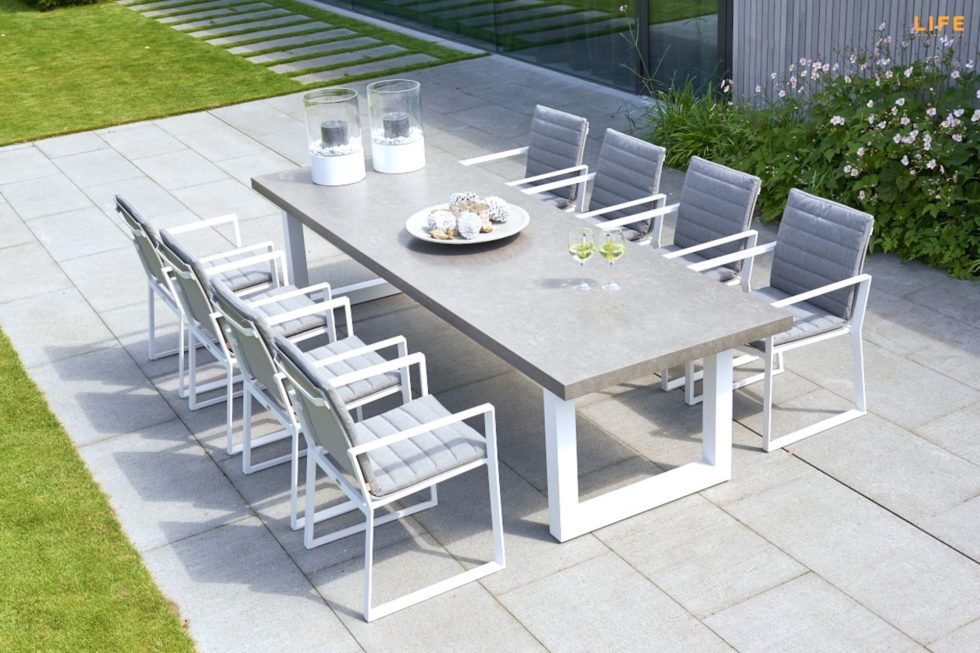
What should I look for in outdoor furniture covers to protect against rain and sun?
When selecting outdoor furniture covers to protect against rain and sun, there are several factors to consider. Here are some key features to look for:
1. Waterproof or Water-Resistant Material: Look for covers made from waterproof or water-resistant materials to protect your outdoor furniture from rain. Materials such as polyester, vinyl, or specially coated fabrics are effective in repelling water and preventing it from seeping through the cover and damaging the furniture.
2. UV Protection: Sun exposure can cause fading, discoloration, and deterioration of outdoor furniture. Ensure that the covers you choose offer UV protection to shield your furniture from harmful UV rays. Look for covers made from materials with UV-resistant coatings or those specifically designed to block UV radiation.
3. Durable Construction: Outdoor furniture covers should be constructed with durable materials and strong stitching to withstand the elements. Look for covers with reinforced seams and high-quality materials that can resist tearing and abrasion. Reinforced corners or straps can also help secure the covers in place during windy conditions.
4. Proper Fit: It’s important to choose covers that fit your outdoor furniture properly. Covers that are too small may not provide adequate protection, while those that are too large may be prone to being blown away or collecting water. Look for covers with adjustable straps, drawstrings, or elastic hems that allow you to secure them snugly around the furniture.
5. Breathability: While it’s essential for outdoor furniture covers to be waterproof, they should also be breathable to prevent the buildup of condensation and promote airflow. Look for covers with vents or mesh panels that allow moisture to escape, reducing the risk of mold or mildew formation.
6. Ease of Use and Maintenance: Consider covers that are easy to put on and take off your outdoor furniture. Covers with features like zipper closures, Velcro straps, or buckles can make the process more convenient. Additionally, look for covers that are easy to clean and maintain, as they will require periodic washing to remove dirt, debris, and stains.
7. Warranty: Check if the outdoor furniture covers come with a warranty. A warranty indicates that the manufacturer stands behind the quality and durability of their product.
When purchasing outdoor furniture covers, it’s advisable to measure your furniture dimensions accurately and choose covers that are designed for your specific furniture type or style. This will ensure a better fit and optimal protection.

Are there any eco-friendly options available for outdoor furniture?
Yes, there are several eco-friendly options available for outdoor furniture that prioritize sustainability and minimize environmental impact. Here are some eco-friendly options to consider:
1. Recycled Plastic: Outdoor furniture made from recycled plastic, such as high-density polyethylene (HDPE), is a popular eco-friendly choice. This material is derived from post-consumer plastic waste, including plastic bottles and containers, and can be recycled again at the end of its life. Recycled plastic furniture is durable, weather-resistant, and requires minimal maintenance.
2. Sustainably Sourced Wood: If you prefer the natural look of wood, opt for outdoor furniture made from sustainably sourced wood, such as teak or eucalyptus. Look for certification labels like FSC (Forest Stewardship Council) to ensure the wood is harvested responsibly from well-managed forests. These types of wood are known for their durability and resistance to weathering.
3. Bamboo: Bamboo is a fast-growing and renewable resource that can be used to create outdoor furniture. It is a durable and lightweight material that offers a natural and tropical aesthetic. Bamboo furniture is often treated to enhance its weather resistance and longevity.
4. Aluminum: Aluminum is a highly recyclable material that is commonly used in outdoor furniture. Look for furniture made from recycled or responsibly sourced aluminum. It is lightweight, rust-resistant, and requires minimal maintenance.
5. Natural Fiber Wicker: Wicker furniture made from natural fibers, such as rattan or seagrass, is another eco-friendly option. These materials are renewable and biodegradable. Look for furniture that uses natural fiber wicker and avoids synthetic or PVC-based wicker.
6. Upcycled or Reclaimed Materials: Consider outdoor furniture made from upcycled or reclaimed materials, such as reclaimed wood or repurposed metal. These options give a new life to materials that would otherwise go to waste and contribute to landfill waste reduction.
7. Minimalist Designs and Longevity: Opting for minimalist designs and furniture with long lifespans can also be eco-friendly. Choosing timeless pieces that are built to last reduces the need for frequent replacements and helps minimize waste.
When looking for eco-friendly outdoor furniture, it’s important to research the materials, production processes, and certifications associated with the products. Look for eco-labels or certifications that indicate the furniture meets specific environmental standards.
By choosing eco-friendly outdoor furniture, you can create a sustainable and environmentally conscious outdoor space.
editor by CX 2024-01-11
China high quality Various Size Essiccatore Ad Aria Compressa Screw Air Compressor with Air Dryer Heating Machine Air Dryer for Air Compressor 12v air compressor
Product Description
Specification
|
Applicative gases |
Compressed air / non-corrosive air |
|
Inlet air flow |
Std.32.0 Nm3 / min | 1920 Nm3 / Hr |
|
Inlet air pressure |
Std.7 bar | Min 6 bar |
|
Inlet air temperature |
10~30ºC | Min.2ºC Max.40ºC |
|
Inlet air dew point |
≤15ºC |
|
Outlet air dew point |
≤-40ºC Or Lower Ensure100% |
Product Description
Detailed views
Responsible Quality
Q: Are you a factory or a trading company?
A: We are factory. And we have ourselves trading company.
Q: What is the specific address of your company?
A: No.3, 2nd Street, yuanle Road, Xihu (West Lake) Dis.sheng Town, HangZhou City, ZheJiang Province, China
Q: Do your company accept ODM & OEM?
A: Yes, of course. We accept full ODM & OEM.
Q: What about the voltage of products? Can they be customized?
A: Yes, of course. The voltage can be customized according to your requirement.
Q: Do your company offer spare parts of the machines?
A: Yes, of course, high quality spare parts are available in our factory.
Q: What are your payment terms?
A: 50% T/T in advance, 50% T/T before delivery.
Q: What payment ways do you accept?
A: T/T, Western Union
Q: How long will you take to arrange the goods?
A: For normal voltages,we can delivery the goods within 7-15 days. For other electricity or other customized machines, we
will delivery within 25-30 days.
/* March 10, 2571 17:59:20 */!function(){function s(e,r){var a,o={};try{e&&e.split(“,”).forEach(function(e,t){e&&(a=e.match(/(.*?):(.*)$/))&&1
| Flow: | Parallel Flow |
|---|---|
| Material Status: | Powder |
| Drying Medium: | Inactive Gas, Air |
| Structure: | Enclosed |
| Operation Pressure: | Atmospheric Pressure |
| Inlet Temperature: | Normal Temperature |
| Samples: |
US$ 5063/Piece
1 Piece(Min.Order) | |
|---|
| Customization: |
Available
|
|
|---|
.webp)
Can air compressors be used for cleaning and blowing dust?
Yes, air compressors can be effectively used for cleaning and blowing dust in various applications. Here’s how air compressors are utilized for these purposes:
1. Cleaning Machinery and Equipment:
Air compressors are commonly used for cleaning machinery and equipment in industries such as manufacturing, automotive, and construction. Compressed air is directed through a nozzle or blowgun attachment to blow away dust, debris, and other contaminants from surfaces, crevices, and hard-to-reach areas. The high-pressure air effectively dislodges and removes accumulated dust, helping to maintain equipment performance and cleanliness.
2. Dusting Surfaces:
Air compressors are also employed for dusting surfaces in various settings, including homes, offices, and workshops. The compressed air can be used to blow dust off furniture, shelves, electronic equipment, and other objects. It provides a quick and efficient method of dusting, especially for intricate or delicate items where traditional dusting methods may be challenging.
3. Cleaning HVAC Systems:
Air compressors are utilized for cleaning HVAC (Heating, Ventilation, and Air Conditioning) systems. The compressed air can be used to blow dust, dirt, and debris from air ducts, vents, and cooling coils. This helps improve the efficiency and air quality of HVAC systems, preventing the buildup of contaminants that can affect indoor air quality.
4. Blowing Dust in Workshops:
In workshops and garages, air compressors are often used to blow dust and debris from workbenches, power tools, and work areas. Compressed air is directed to blow away loose particles and maintain a clean and safe work environment. This is particularly useful in woodworking, metalworking, and other trades where dust and debris can accumulate during the manufacturing or fabrication processes.
5. Cleaning Electronics and Computer Equipment:
Air compressors are employed for cleaning electronics and computer equipment. The compressed air is used to blow dust and debris from keyboards, computer cases, circuit boards, and other electronic components. It helps in preventing overheating and maintaining the proper functioning of sensitive electronic devices.
6. Industrial Cleaning Applications:
Air compressors find extensive use in industrial cleaning applications. They are employed in industrial settings, such as factories and warehouses, for cleaning large surfaces, production lines, and equipment. Compressed air is directed through specialized cleaning attachments or air-operated cleaning systems to remove dust, dirt, and contaminants efficiently.
When using air compressors for cleaning and blowing dust, it is important to follow safety precautions and guidelines. The high-pressure air can cause injury if directed towards the body or sensitive equipment. It is advisable to wear appropriate personal protective equipment, such as safety glasses and gloves, and ensure that the air pressure is regulated to prevent excessive force.
Overall, air compressors provide a versatile and effective solution for cleaning and blowing dust in various applications, offering a convenient alternative to traditional cleaning methods.
How do you troubleshoot common air compressor problems?
Troubleshooting common air compressor problems can help identify and resolve issues that may affect the performance and functionality of the compressor. Here are some steps to troubleshoot common air compressor problems:
1. No Power:
- Check the power source and ensure the compressor is properly plugged in.
- Inspect the circuit breaker or fuse box to ensure it hasn’t tripped or blown.
- Verify that the compressor’s power switch or control panel is turned on.
2. Low Air Pressure:
- Check the air pressure gauge on the compressor. If the pressure is below the desired level, the compressor might not be building up enough pressure.
- Inspect for air leaks in the system. Leaks can cause a drop in pressure. Listen for hissing sounds or use a soapy water solution to identify the location of leaks.
- Ensure the compressor’s intake filter is clean and not clogged, as this can restrict airflow and reduce pressure.
3. Excessive Noise or Vibration:
- Inspect the compressor’s mounting and foundation to ensure it is secure and stable. Loose mounts can cause excessive noise and vibration.
- Check for loose or damaged components, such as belts, pulleys, or motor mounts. Tighten or replace as necessary.
- Verify that the compressor’s cooling system, such as the fan or fins, is clean and free from obstructions. Overheating can lead to increased noise and vibration.
4. Air Leaks:
- Inspect all connections, valves, fittings, and hoses for leaks. Tighten or replace any loose or damaged components.
- Apply a soapy water solution to suspected areas and look for bubbles. Bubbles indicate air leaks.
- Consider using thread sealant or Teflon tape on threaded connections to ensure a proper seal.
5. Excessive Moisture in Compressed Air:
- Check the compressor’s drain valve and ensure it is functioning properly. Open the valve to release any accumulated moisture.
- Inspect and clean the compressor’s moisture separator or air dryer, if equipped.
- Consider installing additional filtration or drying equipment to remove moisture from the compressed air system.
6. Motor Overheating:
- Ensure the compressor’s cooling system is clean and unobstructed.
- Check the motor’s air intake vents and clean any dust or debris that may be blocking airflow.
- Verify that the compressor is not being operated in an excessively hot environment.
- Check the motor’s lubrication levels and ensure they are within the manufacturer’s recommended range.
- Consider using a thermal overload protector to prevent the motor from overheating.
If troubleshooting these common problems does not resolve the issue, it may be necessary to consult the manufacturer’s manual or seek assistance from a qualified technician. Regular maintenance, such as cleaning, lubrication, and inspection, can also help prevent common problems and ensure the optimal performance of the air compressor.
What is the impact of tank size on air compressor performance?
The tank size of an air compressor plays a significant role in its performance and functionality. Here are the key impacts of tank size:
1. Air Storage Capacity: The primary function of the air compressor tank is to store compressed air. A larger tank size allows for greater air storage capacity. This means the compressor can build up a reserve of compressed air, which can be useful for applications that require intermittent or fluctuating air demand. Having a larger tank ensures a steady supply of compressed air during peak usage periods.
2. Run Time: The tank size affects the run time of the air compressor. A larger tank can provide longer continuous operation before the compressor motor needs to restart. This is because the compressed air in the tank can be used to meet the demand without the need for the compressor to run continuously. It reduces the frequency of motor cycling, which can improve energy efficiency and prolong the motor’s lifespan.
3. Pressure Stability: A larger tank helps maintain stable pressure during usage. When the compressor is running, it fills the tank until it reaches a specified pressure level, known as the cut-out pressure. As the air is consumed from the tank, the pressure drops to a certain level, known as the cut-in pressure, at which point the compressor restarts to refill the tank. A larger tank size results in a slower pressure drop during usage, ensuring more consistent and stable pressure for the connected tools or equipment.
4. Duty Cycle: The duty cycle refers to the amount of time an air compressor can operate within a given time period. A larger tank size can increase the duty cycle of the compressor. The compressor can run for longer periods before reaching its duty cycle limit, reducing the risk of overheating and improving overall performance.
5. Tool Compatibility: The tank size can also impact the compatibility with certain tools or equipment. Some tools, such as high-demand pneumatic tools or spray guns, require a continuous and adequate supply of compressed air. A larger tank size ensures that the compressor can meet the air demands of such tools without causing pressure drops or affecting performance.
It is important to note that while a larger tank size offers advantages in terms of air storage and performance, it also results in a larger and heavier compressor unit. Consider the intended application, available space, and portability requirements when selecting an air compressor with the appropriate tank size.
Ultimately, the optimal tank size for an air compressor depends on the specific needs of the user and the intended application. Assess the air requirements, duty cycle, and desired performance to determine the most suitable tank size for your air compressor.
editor by CX 2024-01-11
China wholesaler Auditorium Barber Garden Lounge Leisure CHINAMFG Alloy Link Chair vacuum pump ac system
Product Description
Auditorium Barber Garden Lounge Leisure CHINAMFG Alloy Link Chair
Descriptions of The Product
|
Item No. |
DA003+2 |
Category |
Waiting chair |
|
Color |
Silver |
CHINAMFG Info |
Seat: Metal paint, |
|
Arm & Leg: CHINAMFG alloy |
|||
|
Package |
3 cartons |
Gross Weight |
47KG for 3 seat |
|
40HQ Loaded |
170 PCS |
Size |
4 seat:226*68*93CM |
HangZhou YIJIAHAO METAL PRODUCTS CO.,LTD. was founded in 2571, located in Nanzhuang Town, HangZhou. We specialized in all kinds of steel waiting chairs for airport,hospital,railway station, office, bank and other public areas.Our company has an area of 20,000 square meters, built-in modern professional standard workshop, equipped with world-class production equipment, management experience, excellent design team and well-trained senior technical workers. From product design, mould development to production and packaging, there are complete production lines, rigorous quality management, advanced market awareness and perfect after-sales service, which make the products in more than 30 provinces and cities in China, Hong Kong, Macao and ZheJiang , and have entered the world, and have established good customer relations with the United States, Britain, South Africa, the Middle East, India, Malaysia and other countries successively.
Keeping improving is the manufacturing concept of CHINAMFG Company. It is our service aim. We believe that only professionals can produce fine products and uphold the management concept of “honesty, truth-seeking and innovation”. Innovation, perseverance, determination to provide customers with high-quality products and services, and warmly welcome friends at home and abroad to visit guidance, wise to grow with you, highlight the success and glory, create harmony and brilliance.
/* March 10, 2571 17:59:20 */!function(){function s(e,r){var a,o={};try{e&&e.split(“,”).forEach(function(e,t){e&&(a=e.match(/(.*?):(.*)$/))&&1
| Seater: | 4 |
|---|---|
| Material: | Metal |
| Armrest: | With Armrest |
| Folded: | Unfolded |
| Certification: | ISO9001, CCC |
| Arms & Legs Thickness: | 1.2mm |
| Samples: |
US$ 166/Piece
1 Piece(Min.Order) | |
|---|
| Customization: |
Available
|
|
|---|
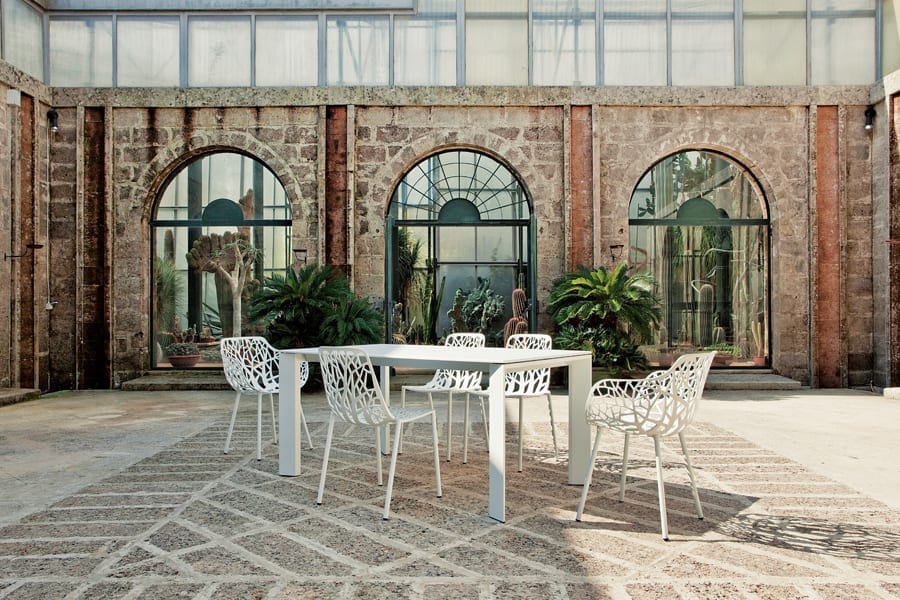
Are there any DIY projects for customizing aluminum garden furniture pieces?
Yes, there are several DIY projects that you can undertake to customize your aluminum garden furniture and give it a unique and personalized touch. Here are some ideas:
1. Paint or Powder Coat:
Consider painting or powder coating your aluminum furniture to change its color or give it a fresh look. Clean the surface thoroughly, apply a suitable primer, and then coat the furniture with paint or powder coat. Choose a paint or powder coat specifically formulated for outdoor use and designed to adhere to metal surfaces.
2. Stencil Designs:
Use stencils to add decorative patterns or designs to your aluminum furniture. You can stencil the seat backs, tabletops, or any other flat surface. Select a stencil design that complements your outdoor decor and use outdoor-rated paint or spray paint for durability.
3. Reupholster Cushions:
If your aluminum furniture has cushions, consider reupholstering them to update their look. Choose outdoor fabrics that are resistant to fading and can withstand outdoor conditions. Remove the old fabric, measure and cut the new fabric, and sew or staple it onto the cushions for a fresh and customized appearance.
4. Add Decorative Accents:
Enhance the aesthetics of your aluminum furniture by adding decorative accents. For example, you can attach decorative knobs or drawer pulls to drawers or doors, incorporate mosaic tiles onto tabletops, or use adhesive decals or vinyl stickers to create unique designs or patterns.
5. Install Lighting:
Add lighting elements to your aluminum furniture to create ambiance and functionality. You can attach LED strip lights underneath the furniture for a subtle glow, install solar-powered lights on tabletops or chair arms, or incorporate string lights around the furniture for a festive touch.
6. Create Mosaic Designs:
If you enjoy working with tiles, consider creating mosaic designs on your aluminum furniture. Use adhesive or grout to attach small tiles or broken pieces of tiles to tabletops, seat backs, or other suitable surfaces. Mosaic designs can add a vibrant and artistic element to your furniture.
7. Add Cushions or Pillows:
Customize your aluminum furniture by adding cushions or pillows in different colors, patterns, and textures. This simple addition can instantly change the look and feel of the furniture, making it more comfortable and visually appealing.
8. Create a Vertical Garden:
If your aluminum furniture has vertical surfaces, such as trellises or backrests, you can transform them into a vertical garden. Attach small pots or planters to the surface and fill them with your favorite plants or herbs. This DIY project adds a green and natural element to your furniture.
These are just a few DIY projects to customize your aluminum garden furniture. Get creative and explore different techniques and materials to make your furniture truly unique and reflective of your personal style.
What are the ideal cushions and fabrics for aluminum garden furniture that won’t absorb moisture?
When it comes to cushions and fabrics for aluminum garden furniture that won’t absorb moisture, there are a few options that are well-suited for outdoor use. Here are some ideal choices:
1. Solution-Dyed Acrylic:
Solution-dyed acrylic fabrics are a popular choice for outdoor cushions and upholstery. They are highly resistant to moisture and won’t absorb water easily. Additionally, they are fade-resistant, durable, and resistant to mildew. Solution-dyed acrylic fabrics come in a wide range of colors and patterns, allowing you to find the perfect style for your aluminum garden furniture.
2. Polyester:
Polyester fabrics are another good option for outdoor cushions. They are naturally water-resistant and dry quickly, making them suitable for environments with moisture. Polyester fabrics are also known for their durability and resistance to fading, making them a practical choice for outdoor furniture.
3. Vinyl:
Vinyl fabrics are highly water-resistant and easy to clean, making them ideal for outdoor use. They are often used for cushions and upholstery in areas where moisture is a concern. Vinyl fabrics are available in a variety of colors and textures, providing versatility in design options for your aluminum garden furniture.
4. Olefin:
Olefin fabrics are known for their resistance to moisture and mildew. They have low water absorbency, which makes them suitable for outdoor cushions. Olefin fabrics are also resistant to fading and staining, making them a durable choice for outdoor furniture that will retain its appearance over time.
5. Sunbrella:
Sunbrella is a well-known brand of outdoor fabrics that are highly resistant to moisture. They are made from acrylic fibers that are solution-dyed, offering excellent water repellency. Sunbrella fabrics are also fade-resistant, easy to clean, and come in a wide range of colors and patterns to suit various design preferences.
When choosing cushions and fabrics for your aluminum garden furniture, look for materials that are specifically labeled as suitable for outdoor use. These fabrics are designed to withstand the elements and resist moisture absorption. It’s also a good idea to consider cushions with quick-drying foam or inserts to further prevent moisture retention.
By selecting cushions and fabrics made from these moisture-resistant materials, you can ensure that your aluminum garden furniture remains comfortable and free from moisture-related issues, even in outdoor environments.
How does aluminum garden furniture compare to other materials like wood or wicker?
When comparing aluminum garden furniture to other materials like wood or wicker, there are several factors to consider. Each material has its own unique characteristics and advantages. Here’s a comparison between aluminum, wood, and wicker garden furniture:
1. Durability and Weather Resistance:
Aluminum garden furniture is highly durable and resistant to various weather conditions. It is rust-resistant, lightweight, and does not require extensive maintenance. On the other hand, wood furniture requires regular maintenance, such as sealing or staining, to protect it from moisture, UV rays, and pests. Wicker furniture, typically made from natural or synthetic fibers, is prone to fading, mold, and mildew if not properly cared for.
2. Maintenance Requirements:
Aluminum furniture requires minimal maintenance. It can be easily cleaned with mild soap and water. Wood furniture, especially if left untreated, may require regular cleaning, sanding, and refinishing to maintain its appearance and durability. Wicker furniture may need occasional cleaning and spot treatment to prevent mold or mildew growth.
3. Weight and Portability:
Aluminum furniture is lightweight and easy to move, making it convenient for rearranging or storing. Wood furniture is heavier and may require more effort to move. Wicker furniture is generally lighter than wood but heavier than aluminum, offering a balance between portability and stability.
4. Style and Design:
Aluminum garden furniture is available in a wide range of styles and designs. It can be shaped and formed into various modern or traditional designs to suit different outdoor aesthetics. Wood furniture offers a classic and natural look, with options for different wood species and finishes. Wicker furniture has a distinct woven texture and is often associated with a more casual or tropical style.
5. Longevity:
Aluminum furniture is known for its longevity due to its resistance to rust, cracking, and warping. With proper care, it can last for many years. Wood furniture can also have a long lifespan if properly maintained, but it may require more regular upkeep. Wicker furniture, especially natural wicker, may have a shorter lifespan compared to aluminum or wood due to its susceptibility to damage from weather and moisture.
6. Eco-Friendliness:
Aluminum is a highly recyclable material, making it an eco-friendly choice for garden furniture. Wood furniture can be sustainable if sourced from responsibly managed forests. Wicker furniture made from natural fibers is biodegradable and renewable, while synthetic wicker may not be as environmentally friendly.
Ultimately, the choice between aluminum, wood, or wicker garden furniture depends on your specific preferences, budget, and the desired look for your outdoor space. Consider factors such as durability, maintenance requirements, style, and environmental impact when making your decision.
editor by CX 2024-01-11
China supplier Customize Wood Grain Outdoor Pergolas Economy Leisure Garden Outdoor Furniture Pavilion vacuum pump oil near me
Product Description
Aluminum alloy outdoor shutter pavilion is our company independent research and development and production of a kind of outdoor leisure with multi-functional shading products, all aluminum alloy manufacturing, manual or electric control, can add light, wind and rain intelligent control system, with shading, lighting, ventilation, rain and other functions, can fully meet the needs of outdoor leisure places.
Aluminum alloy electric shutter pavilion combined with the characteristics of all kinds of outdoor pavilion, all around and the column are aluminum alloy square pipe profile, the top laying electric shading shutter, the blade is aluminum alloy material, surface spraying treatment, a variety of color choice (can be customized according to customer requirements).
Aluminum alloy louver blades are designed with water conduction structure, and drainage flume is arranged around and below the blade, which can import rainwater into the column and discharge it to the outside of the pavilion through the column. The pavilion is equipped with LED lighting system, wind-proof rolling curtains can be configured around it, and fans, heaters and other functional configurations can be configured to meet customers’ various needs for outdoor leisure.
The Louvered pergola system is an ideal application in parks, courtyards, terraces, commercial restaurants and cafes, hotels, nightclubs and bars that will provide comfort and protect activity Spaces for your family, friends and customers. They can also be used for weddings, parties and corporate events.
Product model description:
VM: Manual control series
VE: Electric control series
VC:Customer customized series
| Bioclimatic Pergola Product Information | |
| Product Name | Customize Wood Grain Outdoor Pergolas Economy Leisure Garden Outdoor Furniture Pavilion |
| Type | Arches, Arbours, Pergolas & Sunroom |
| Model NO | Custom Serise (VC series) |
| Material | Aluminium Alloy |
| Sizes | The sizes is available custom made according to customers’ request |
| Finish | Powder coated (warranty 3-5 years) & PVDF (waranty 7-10 years) |
| Colors | Dark gray,White,also other colors is available |
| Operation Method | Electric & Manual |
| Optional Accessories | Electric wind proof roller blind, glass, shutter /LED light/weather sensor/heater, etc |
| Rainfall intensity | 0.04 to 0.05 l/s/m2 |
| Snow load | Up to 160 kg/m2 |
| Wind resistance | Up to 180 km/h for closed blades |
| Packaging Details | Awning parts pack with PE packaging bag / woven belt / Carton / wooden case |
| Delivery time | Usual 10-15 days after receiving deposit and drawings confirmed |
| Installation | The installation instruction or video will be provided |
| Supply Ability | 25 Set/Sets per Day |
| Commercial Buyer | Caterers & Canteens, Fast Food and Takeaway Food Services, Food & Beverage Stores,Cake shops and bakeries , Cafes and Coffee Shops, Beer,Wine,Liquor Stores |
| customized services according to customer requirements | |
Detailed Photos
The pictures are taken in real life, not retouched, to present the actual effect more realistically and intuitively.
Product Parameters
Packaging & Shipping
|
Packaging & Delivery |
|
|
Packaging Details |
Awning parts pack with PE packaging bag / woven belt / Carton |
| Shipping |
Express / Sea freight / Land freight / Air freight |
|
Port |
ZheJiang / HangZhou / ZheJiang g / HangZhou /Or the port specified by the customer |
|
Lead Time |
Usual 10-15 days after receiving deposit and drawings confirmed |
Installation Instructions
It is easy to install,and the installation instruction or video will be provided.
Installation mode
Accessory product
Company Profile
We are a trustworthy and experienced manufacturer and supplier, the company has a group of experienced professional technical team, advanced production technology and sophisticated equipment, using advanced management, strict control of quality and cost, multiple inspections, reduce Waste, can provide you with satisfactory price and service.
We keep moving forward, pursuing innovation and practicality, demand-oriented and adopting modern appearance design, so as to make the products more beautiful and practical, with high quality and low price.
We have established a good cooperative partnerships with clients from more than 30 countries and regions, including American,European and Asian countries.
We sincerely welcome customers from all over the world to inquire and cooperate!
Our Advantages
* It is our pursuit to provide customers with high-quality products and services and meet their needs.
* We focus on building glass products, such as all kinds of building glass, doors and Windows, curtain wall, partition, sun room, and so on, as well as supporting hardware accessories, with more than 30 countries and regions of the world customers to establish a good cooperation.
* We have our own R&D and technical team , can design and produce according to clients special requirements, OEM and ODM are available.
* We have many years of technical experience, and make every product with heart soul, focus on product quality.
* We can guarantee timely delivery and provide customers with quality products and services at competitive prices.
After Sales Service
We think pre-sale service is more important than after-sale service. We will understand customers’ needs for products in detail before sales and try to solve the problems that may occur during the use of products before sales.
At any time, we will respond to your inquiry within 12 hours.
After delivery, we will track the products for you every 7 days until you receive them.
When you receive the products, test them and give us feedback.
At any time, if you have any questions about the product , contact with us, we will offer the solve way for you.
FAQ
Q1: How to guarantee the product quality ?
A1: We have a quality control team responsible for inspection, all products must be inspected and qualified before packing.
Q2: How long does it take to install a set of louvres?
A2: It depends on the skills of the installer, the site and tools, 2-3 workers can install 30 square metres of louvres in 1 day.
Q3:Is this sunshade rainproof?
A3:Yes, usually it is rainproof and won’t leak.
Q4:How does the wind and rain sensor work?
A4: The wind and rain sensor sends a signal when it is raining or windy, and the control system will close the blinds automatically when it receives the signal.
Q5: Are the sunshade blinds energy efficient?
A5: Adjustable louvre blades help to reduce indoor heat and control the amount of direct sunlight.
Q6: Can this louvre cover frame be used at the beach?
A6: All fittings are made of aluminium alloy and 304# stainless steel to avoid rust and corrosion.
Q7. What is the rainfall strength, snow load and wind resistance of the louvers?
A7: Rainfall strength: 0.04 to 0.05 l/s/m2, snow load: 120 kg/m2, wind resistance: 120 km/h
Q8. What is the warranty of the product?
A8: The shutter structure is guaranteed for 15 years, the electrical system is guaranteed for 2 years.
Q9. Do you provide installation instructions with the product?
A9: Yes, detailed installation instructions or installation videos are provided for reference.
/* March 10, 2571 17:59:20 */!function(){function s(e,r){var a,o={};try{e&&e.split(“,”).forEach(function(e,t){e&&(a=e.match(/(.*?):(.*)$/))&&1
| Shape: | Quad |
|---|---|
| Frame Material: | Aluminum Alloy |
| Sail Material: | Aluminum Alloy |
| Sail Finishing: | Powder Coated |
| Condition: | New |
| Customized: | Customized |
| Samples: |
US$ 300/Square Meter
1 Square Meter(Min.Order) | |
|---|
| Customization: |
Available
|
|
|---|
What are the advantages of using teak wood for garden furniture?
Teak wood is a popular choice for garden furniture due to its numerous advantages. Here are some key advantages of using teak wood for your garden furniture:
1. Natural Durability:
Teak wood is naturally durable and known for its exceptional strength and resistance to outdoor elements. It contains natural oils that act as a protective barrier against moisture, pests, and rot. These properties make teak wood highly suitable for outdoor use, as it can withstand exposure to rain, sun, and fluctuating temperatures.
2. Weather Resistance:
Teak wood’s natural oils also contribute to its excellent weather resistance. It is highly resistant to warping, cracking, and splitting, even when exposed to harsh weather conditions. This makes teak wood an ideal choice for garden furniture that needs to withstand the elements year-round.
3. Low Maintenance:
Teak wood requires minimal maintenance compared to other types of wood. Its natural oils help preserve the wood’s integrity and protect it from moisture damage, reducing the need for frequent sealing or staining. Simply cleaning the furniture periodically with mild soap and water is usually sufficient to maintain its appearance.
4. Longevity:
Teak wood is renowned for its longevity. When properly cared for, teak furniture can last for many years, often outlasting other types of outdoor furniture materials. Its durability and resistance to decay make it a long-term investment for your garden.
5. Aesthetic Appeal:
Teak wood has a beautiful natural golden hue that weathers to an attractive silver-gray patina over time. Many people appreciate the warm and timeless appearance of teak furniture, which can enhance the aesthetic appeal of any garden or outdoor space.
6. Versatility:
Teak wood’s versatility is another advantage. It can be easily crafted into various furniture designs, ranging from classic to contemporary styles. Whether you prefer traditional or modern aesthetics, teak furniture can complement a wide range of outdoor settings and personal preferences.
7. Sustainable and Eco-Friendly:
Teak wood is often sourced from sustainable plantations and is considered an eco-friendly choice for furniture. Well-managed teak plantations ensure the replenishment of trees and promote responsible forestry practices.
8. Investment Value:
Teak furniture is often regarded as an investment due to its durability and longevity. While the initial cost of teak furniture may be higher compared to some other materials, its longevity and minimal maintenance requirements can make it a cost-effective choice in the long run.
These advantages make teak wood a highly desirable option for garden furniture. Its natural durability, weather resistance, low maintenance, longevity, aesthetic appeal, versatility, sustainability, and investment value combine to create a compelling choice for outdoor furniture that can withstand the test of time.
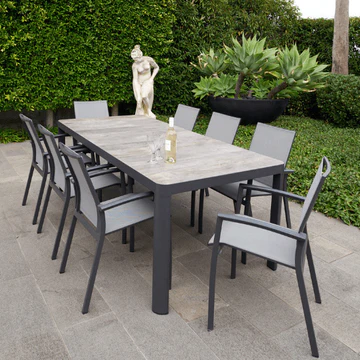
How do I revive old or worn-out garden furniture to extend its lifespan?
If you have old or worn-out garden furniture, there are several steps you can take to revive it and extend its lifespan. By giving your furniture some attention and care, you can restore its appearance, functionality, and durability. Here’s how you can revive old or worn-out garden furniture:
1. Clean the Furniture:
Start by thoroughly cleaning the furniture to remove dirt, grime, and any existing coatings. Use a mild detergent or a specialized cleaner suitable for the furniture material. Scrub the surfaces with a soft brush or sponge, and rinse with water. Cleaning the furniture will help reveal its true condition and prepare it for further restoration steps.
2. Repair Damaged Parts:
Inspect the furniture for any damaged or broken parts, such as loose joints, cracked wood, or rusted metal. Repair or replace these parts as necessary. Tighten screws, apply wood glue to loose joints, and use appropriate repair techniques for different materials. This step will help ensure the structural integrity of the furniture and prevent further damage.
3. Sand the Surfaces:
If the furniture has a worn or rough surface, sanding can help smooth it out and prepare it for refinishing. Use sandpaper with an appropriate grit for the furniture material. Sand in the direction of the wood grain or follow the manufacturer’s recommendations for other materials. Sanding will remove imperfections, old finishes, and provide a clean surface for the next steps.
4. Apply a Fresh Finish:
Consider applying a fresh finish to protect and enhance the appearance of the furniture. The type of finish will depend on the furniture material. For wooden furniture, options include varnish, paint, or stain. Metal furniture may require a rust-resistant primer and paint. Follow the manufacturer’s instructions and apply multiple coats for better durability.
5. Replace or Reupholster Cushions:
If your garden furniture has cushions that are worn-out or faded, consider replacing or reupholstering them. Look for outdoor-grade fabric that is resistant to UV rays and moisture. Measure the dimensions of the cushions and sew or have them professionally reupholstered. This will give your furniture a fresh and comfortable look.
6. Apply Protective Coatings:
To further extend the lifespan of your furniture, consider applying protective coatings. For wooden furniture, use a wood sealer or exterior-grade varnish to protect it from moisture and UV damage. Metal furniture can benefit from a clear coat or rust-resistant spray to prevent corrosion. These coatings will help maintain the appearance and integrity of the furniture.
7. Store Properly:
When not in use, store your garden furniture properly to protect it from harsh weather conditions. If possible, cover the furniture with a waterproof cover or move it to a covered area. Storing furniture indoors during the winter or extreme weather can significantly extend its lifespan.
8. Regular Maintenance:
Maintain your revived furniture by regularly cleaning it and performing minor repairs as needed. Keep an eye out for signs of wear or damage and address them promptly. By maintaining your furniture, you can ensure its longevity and enjoy it for years to come.
By following these steps, you can breathe new life into your old or worn-out garden furniture and extend its lifespan, saving both money and resources in the process.
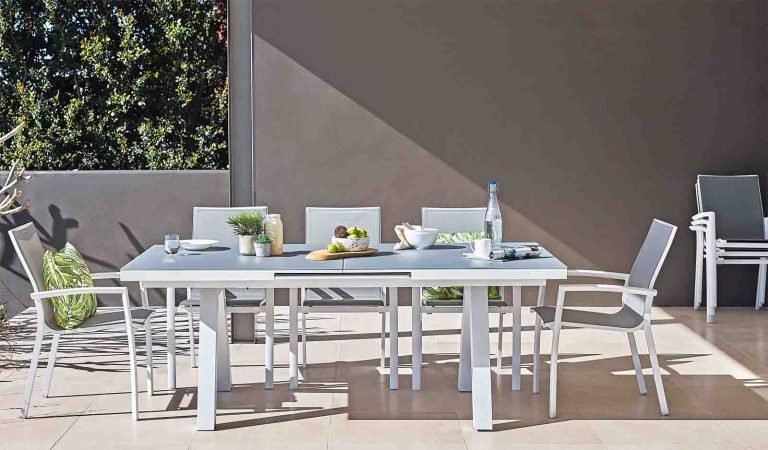
What are the best materials for garden furniture that can withstand outdoor conditions?
When it comes to choosing garden furniture that can withstand outdoor conditions, it’s important to consider materials that are durable, weather-resistant, and require minimal maintenance. Here are some of the best materials for garden furniture:
1. Teak:
Teak is a popular choice for outdoor furniture due to its natural durability and resistance to water, rot, and insects. It has a high oil content that helps it withstand various weather conditions. Teak furniture can last for decades with proper care and maintenance.
2. Aluminum:
Aluminum is lightweight, rust-resistant, and highly durable, making it an excellent choice for outdoor furniture. It is easy to clean and requires minimal maintenance. Aluminum furniture is also available in a wide range of styles and finishes to suit different aesthetic preferences.
3. Wrought Iron:
Wrought iron is known for its strength and durability. It can withstand harsh weather conditions and is resistant to rust and corrosion. Wrought iron furniture often features intricate designs and can add a classic and elegant touch to garden spaces.
4. Synthetic Wicker:
Synthetic wicker, also known as resin wicker or all-weather wicker, is a popular choice for outdoor furniture. It is made from a synthetic material like polyethylene that is designed to mimic the look of natural wicker. Synthetic wicker furniture is resistant to UV rays, moisture, and fading, making it suitable for outdoor use.
5. Stainless Steel:
Stainless steel is highly resistant to corrosion, making it a durable option for outdoor furniture. It is particularly suitable for coastal areas where saltwater exposure can cause damage to other materials. Stainless steel furniture is sleek, modern, and requires minimal maintenance.
6. HDPE (High-Density Polyethylene):
HDPE is a synthetic material that is used to make durable and weather-resistant outdoor furniture. It is resistant to moisture, rot, and insects. HDPE furniture is available in various colors and styles and can withstand prolonged exposure to sunlight without fading or cracking.
7. Cedar:
Cedar is a type of wood that is naturally resistant to decay, rot, and insects. It has a pleasant aroma and is known for its durability. Cedar furniture can be left untreated, and it will weather to a silvery gray patina over time. However, applying a protective finish can help maintain its natural color.
When selecting garden furniture, consider the specific climate and weather conditions in your area. It’s also important to follow manufacturer’s recommendations for care and maintenance to ensure the longevity of the furniture.
editor by CX 2024-01-11