Product Description
HangZhou Dezheng Outdoor Co.,Ltd is located in HangZhou City, ZheJiang Province which is less than 1 hour driving to HangZhou. We are a professional company cooperate with long-term associate factories concentrate on furniture only which has a wide range of products such as aluminum furniture, rattan furniture, hotel furniture, restaurant furniture, dinning set etc.
There are 100 workers in our factory and we can produce 20,000pcs chairs per month. OEM projects are highly welcomed, we have strong engineer team to support us for design and production. On time delivery, high quality and good service are the top goals of our company.
Using qualified material and producing according to standard steps, we have passed SGS quality system, BSCI and ISO certificate.
We own acid pickling pool, dirty water filtration system and two powder coated lines with environment friendly authority certificate, 1 line is for customize products and sample development, designer products, project projects.
The other 1 line is 800 meters long bulk order powder coated line for regular products, make sure for the products quality are the best, can control all the products that we produced are perfect
| Aluminum tube: | ф25*1.5mm aluminum frame |
| Table Top: | Aluminum slats W40*4mm Anti-rusting, UV-resistant |
| Connect way: | All full welding joints + Stainless steel screw nuts |
| Table legs: | Double tubes Legs, KD base |
| Packing way: | composite kraft paper wrapped, K/D carton packing |
| Surface treatment: | Two times color powder coated, anti-rusting (Bamboo/Ivory/Wood/ plain color) |
| Capacity: | 200 kg / 2 years warranty |
| Loading QTY: | 270/530/630 pcs in 20GP/40GP/40HC |
| Chair Size: | 80x80x76cm |
| Style: | Modern |
|---|---|
| Material: | Aluminum Frame |
| Usage: | Hotel, Home, Beach |
| Shape: | Square |
| Folded: | Stackable |
| Rotary: | Fixed |
| Samples: |
US$ 59.2/Piece
1 Piece(Min.Order) | |
|---|
| Customization: |
Available
|
|
|---|
How do I keep my garden furniture from fading in the sun?
Fading of garden furniture due to sun exposure is a common concern. Here are some tips to help prevent fading and prolong the lifespan of your garden furniture:
1. Choose Sun-Resistant Materials:
When selecting garden furniture, opt for materials that are specifically designed to be resistant to fading caused by UV rays. Look for furniture made from materials like aluminum, teak, wrought iron, or UV-resistant synthetic materials that are less prone to fading.
2. Apply Protective Finishes:
Consider applying a protective finish to your garden furniture. Finishes like sealants, varnishes, or outdoor-grade paint can provide an additional layer of protection against UV rays. Make sure to choose finishes that are suitable for outdoor use and follow the manufacturer’s instructions for application.
3. Use Furniture Covers:
When your garden furniture is not in use, cover it with UV-resistant furniture covers. These covers shield the furniture from direct sunlight and help prevent fading. Ensure that the covers fit properly and are secured to withstand wind or other weather conditions.
4. Provide Shade:
Position your garden furniture in shaded areas, such as under a pergola, umbrella, or tree. Providing shade can significantly reduce the amount of direct sunlight your furniture receives, decreasing the risk of fading. Alternatively, you can create shade by using outdoor curtains, sunshades, or canopies.
5. Rotate and Rearrange:
To ensure even exposure to sunlight, periodically rotate and rearrange your garden furniture. This helps distribute the effects of fading more evenly across the furniture pieces. By changing the layout, you can also minimize the impact of prolonged sun exposure on specific areas.
6. Use Reflective Heat-Resistant Materials:
Avoid using dark-colored cushions or fabrics for your garden furniture, as they tend to absorb more heat and sunlight, increasing the risk of fading. Instead, opt for lighter-colored cushions and fabrics that reflect sunlight and heat. Additionally, consider using heat-resistant materials that are less prone to fading.
7. Regular Cleaning and Maintenance:
Regularly clean and maintain your garden furniture to remove dirt, debris, and pollutants that can contribute to fading. Follow the manufacturer’s instructions for cleaning and use appropriate cleaning products. Regular maintenance helps preserve the appearance and condition of the furniture.
8. Store Furniture During Intense Sunlight:
If possible, consider storing your garden furniture in a covered area or indoors during periods of intense sunlight, such as during the hottest hours of the day or during the peak of summer. Storing the furniture away from direct sunlight can help minimize fading.
By implementing these measures, you can help protect your garden furniture from fading caused by sun exposure. Remember, prevention is key, and proactive care will help maintain the appearance and longevity of your outdoor furniture.
What are the best materials for garden furniture frames that are rust-resistant?
When it comes to selecting garden furniture frames that are rust-resistant, several materials are known for their durability and ability to withstand outdoor conditions. Choosing the right material for your garden furniture can help ensure its longevity and minimize maintenance. Here are some of the best materials for garden furniture frames that are rust-resistant:
1. Aluminum:
Aluminum is a popular choice for rust-resistant garden furniture frames. It is lightweight, durable, and does not rust. Aluminum frames are typically powder-coated or anodized to provide additional protection against corrosion. Powder coating involves applying a protective layer of colored powder that bonds to the metal surface, while anodizing creates a protective oxide layer. Aluminum frames are low maintenance and can withstand various weather conditions.
2. Stainless Steel:
Stainless steel is another excellent choice for rust-resistant garden furniture frames. It is highly resistant to corrosion and can withstand exposure to moisture and harsh outdoor environments. Stainless steel frames are strong and durable, making them suitable for heavy use. However, it’s important to note that low-quality stainless steel or stainless steel with a low chromium content may still be prone to rust, so it’s essential to choose high-quality stainless steel furniture.
3. Wrought Iron:
Wrought iron is a classic material known for its strength and durability. It is typically coated with a protective finish, such as powder coating or paint, to prevent rust. Proper maintenance, including periodic touch-ups and sealing any chips or scratches in the finish, can help maintain the rust resistance of wrought iron frames. Wrought iron furniture adds a timeless and elegant look to garden spaces.
4. Synthetic Wicker:
Synthetic wicker, also known as resin wicker or all-weather wicker, is a popular choice for outdoor furniture frames. It is made from synthetic materials, such as high-density polyethylene (HDPE), that are resistant to rust and other forms of corrosion. Synthetic wicker furniture is lightweight, easy to maintain, and can withstand exposure to various weather conditions. It is often paired with aluminum frames for added durability.
5. Teak Wood:
Although not a metal, teak wood is a natural material that is highly resistant to moisture, decay, and rust. Teak furniture frames are an excellent choice for outdoor use due to their inherent durability. Teak wood contains natural oils that protect it from rot and corrosion. However, teak furniture requires regular maintenance, such as cleaning and periodic application of teak oil, to maintain its appearance and prevent graying.
6. Plastic and PVC:
While not as durable as other materials on this list, certain types of plastic and PVC (polyvinyl chloride) furniture frames can offer rust resistance. Plastic and PVC frames are lightweight, affordable, and require minimal maintenance. Look for high-quality plastic or PVC furniture that is specifically designed for outdoor use and resistant to UV radiation and fading.
When choosing rust-resistant garden furniture frames, consider factors such as durability, maintenance requirements, and overall aesthetic appeal. It’s also important to note that while these materials are rust-resistant, proper care and maintenance still play a crucial role in prolonging the lifespan of your garden furniture.
Can garden furniture be repurposed or refurbished for a fresh look?
Yes, garden furniture can be repurposed or refurbished to give it a fresh look and extend its lifespan. Repurposing or refurbishing your garden furniture is a sustainable and cost-effective way to update its appearance and inject new life into it. Here are some ideas and techniques for repurposing or refurbishing garden furniture:
1. Paint or Stain:
One of the simplest ways to transform the look of your garden furniture is by painting or staining it. Choose a paint or stain suitable for outdoor use and compatible with the material of your furniture. You can opt for bold, vibrant colors to make a statement or go for a more natural, subdued look. Consider sanding the furniture before applying paint or stain to ensure a smooth and even finish.
2. Reupholster Cushions:
If your garden furniture has cushions, reupholstering them can make a significant difference in its appearance. Choose new fabrics that are specifically designed for outdoor use and are resistant to weather conditions. Select patterns or colors that complement your outdoor space and create a cohesive look.
3. Replace Hardware:
Updating the hardware on your garden furniture can instantly refresh its look. Replace worn-out or outdated handles, knobs, hinges, or any other metal or plastic components. Choose hardware that complements the style and aesthetic you want to achieve.
4. Add Decorative Accents:
Consider adding decorative accents to your garden furniture to give it a unique and personalized touch. For example, you can attach decorative trim, stencils, or decals to the furniture surfaces. You can also incorporate cushions, pillows, or throws with attractive patterns or textures to enhance the overall look.
5. Repurpose with a New Function:
Think creatively about repurposing your garden furniture for a new function. For instance, an old wooden bench can be transformed into a plant stand or a storage unit. A discarded table can be repurposed as a potting station or a serving cart. Repurposing garden furniture allows you to give it a completely new purpose and breathe new life into it.
6. Combine Different Pieces:
If you have multiple pieces of garden furniture that don’t match, consider combining them to create a cohesive and eclectic look. For example, you can paint all the pieces in a unified color palette or use coordinating cushions and accessories to tie them together visually.
7. Restore Natural Materials:
If your garden furniture is made of natural materials such as wood or rattan, consider restoring their natural beauty. Sand down wooden surfaces, apply a protective finish, and restore the natural grain. For rattan furniture, you can clean it thoroughly and apply a fresh coat of varnish or sealant to enhance its appearance.
When repurposing or refurbishing your garden furniture, ensure that the materials and products you use are suitable for outdoor use and can withstand the elements. Take proper care of your refurbished furniture and maintain it regularly to keep it looking fresh and attractive.
editor by CX 2023-12-07
China OEM Wholesale Outdoor Patio Garden Swimming Pool CHINAMFG Metal Plastic Rattan Wicker Sun Lounge Chaise Lounger Sofa Bed Stacking Beach Chair Outdoor Furniture wholesaler
Product Description
Wholesale Outdoor Patio Garden Swimming Pool CHINAMFG Metal Plastic Rattan Wicker Sun Lounge Chaise Lounger Sofa Bed Stacking Beach Chair outdoor furniture
Product Description
| Model No. | LA23379 |
| Size | 65*200*50CM |
| Material | Aluminium frame and PE flat rattan with 5cm cushion |
| color | optional |
| Function | All weather ,indoor and outdoor usage |
recommended for you
Service
Company Profile
FAQ
FAQ
———————————————————————————————————————————————
1.How can I get the price?
-Please don’t hesitate to Send Inquiry to us, we usually quote within 2 hours after we get your inquiry
2. Can I buy samples placing orders?
-Yes.Please feel free to contact us.
3.What is your lead time?
-It depends on the order quantity and the season you place the order.
-Usually we can ship within 7-15 days for small quantity,and about 30 days for large quantity.
4.What is your payment term?
-T/T,Western Union,MoneyGram,and Paypal.This is negotiable.
5.What is the shipping method?
-It could be shipped by sea,by air or by express(EMS,UPS,DHL,TNT,FEDEX and ect).
Please confirm with us before placing orders.
6.How do you make ourbusiness long-term and good relationship?
-1. We keep good quality and competitive price to ensure our customers benefit ;
-2. We respect every customer as our friend and we sincerely do business and make friends with them,no matter where they come from.
| Material: | Aluminum |
|---|---|
| Style: | Modern |
| Type: | Single |
| Customization: |
Available
|
|
|---|
.shipping-cost-tm .tm-status-off{background: none;padding:0;color: #1470cc}
|
Shipping Cost:
Estimated freight per unit. |
about shipping cost and estimated delivery time. |
|---|
| Payment Method: |
|
|---|---|
|
Initial Payment Full Payment |
| Currency: | US$ |
|---|
| Return&refunds: | You can apply for a refund up to 30 days after receipt of the products. |
|---|
How do I keep my garden furniture from fading in the sun?
Fading of garden furniture due to sun exposure is a common concern. Here are some tips to help prevent fading and prolong the lifespan of your garden furniture:
1. Choose Sun-Resistant Materials:
When selecting garden furniture, opt for materials that are specifically designed to be resistant to fading caused by UV rays. Look for furniture made from materials like aluminum, teak, wrought iron, or UV-resistant synthetic materials that are less prone to fading.
2. Apply Protective Finishes:
Consider applying a protective finish to your garden furniture. Finishes like sealants, varnishes, or outdoor-grade paint can provide an additional layer of protection against UV rays. Make sure to choose finishes that are suitable for outdoor use and follow the manufacturer’s instructions for application.
3. Use Furniture Covers:
When your garden furniture is not in use, cover it with UV-resistant furniture covers. These covers shield the furniture from direct sunlight and help prevent fading. Ensure that the covers fit properly and are secured to withstand wind or other weather conditions.
4. Provide Shade:
Position your garden furniture in shaded areas, such as under a pergola, umbrella, or tree. Providing shade can significantly reduce the amount of direct sunlight your furniture receives, decreasing the risk of fading. Alternatively, you can create shade by using outdoor curtains, sunshades, or canopies.
5. Rotate and Rearrange:
To ensure even exposure to sunlight, periodically rotate and rearrange your garden furniture. This helps distribute the effects of fading more evenly across the furniture pieces. By changing the layout, you can also minimize the impact of prolonged sun exposure on specific areas.
6. Use Reflective Heat-Resistant Materials:
Avoid using dark-colored cushions or fabrics for your garden furniture, as they tend to absorb more heat and sunlight, increasing the risk of fading. Instead, opt for lighter-colored cushions and fabrics that reflect sunlight and heat. Additionally, consider using heat-resistant materials that are less prone to fading.
7. Regular Cleaning and Maintenance:
Regularly clean and maintain your garden furniture to remove dirt, debris, and pollutants that can contribute to fading. Follow the manufacturer’s instructions for cleaning and use appropriate cleaning products. Regular maintenance helps preserve the appearance and condition of the furniture.
8. Store Furniture During Intense Sunlight:
If possible, consider storing your garden furniture in a covered area or indoors during periods of intense sunlight, such as during the hottest hours of the day or during the peak of summer. Storing the furniture away from direct sunlight can help minimize fading.
By implementing these measures, you can help protect your garden furniture from fading caused by sun exposure. Remember, prevention is key, and proactive care will help maintain the appearance and longevity of your outdoor furniture.
How can I make my garden furniture more comfortable for extended use?
To make your garden furniture more comfortable for extended use, you can consider the following tips and techniques:
1. Cushions and Pillows:
Add cushions and pillows to your garden furniture to provide extra padding and support. Look for cushions made from outdoor-grade materials that are resistant to moisture, fading, and mildew. Opt for pillows with soft and durable fabrics that enhance comfort. Make sure to choose cushions and pillows that fit the size and style of your furniture.
2. Ergonomic Design:
Consider the ergonomic design of your garden furniture to promote comfort during extended use. Look for chairs with proper back support and armrests that allow for relaxed seating positions. Tables with an appropriate height can also contribute to a more comfortable dining experience. Ergonomic design ensures that your body is properly supported and aligned, reducing discomfort and fatigue.
3. Adjustable Furniture:
If possible, opt for garden furniture with adjustable features. Adjustable chairs or loungers allow you to customize the seating position according to your preference. Being able to adjust the backrest or footrest can significantly enhance comfort during extended periods of use.
4. Shade and Sun Protection:
Provide shade and sun protection to make your garden furniture more comfortable, especially during hot and sunny days. Consider adding umbrellas, canopies, or pergolas to create shaded areas. This helps to reduce direct sun exposure and keeps the seating area cooler and more enjoyable.
5. Proper Ventilation:
Ensure proper ventilation around your garden furniture. Good airflow helps to prevent sweat buildup and keeps you cool. If your furniture has cushions, choose materials that are breathable and allow air to circulate. Mesh or ventilated designs can help with airflow and moisture management.
6. Protective Covers:
Use protective covers when your garden furniture is not in use to keep it clean and protected. Covers can help prevent dust, dirt, and bird droppings from accumulating on the furniture. Clean furniture is generally more comfortable to use for extended periods.
7. Outdoor Rugs and Mats:
Add outdoor rugs or mats to create a more inviting and comfortable seating area. These can provide a softer surface for your feet and also help define the space. Look for rugs or mats that are specifically designed for outdoor use and are resistant to moisture and fading.
8. Proper Maintenance:
Regularly clean and maintain your garden furniture to keep it in good condition. Follow the manufacturer’s instructions for cleaning and care. Tighten any loose screws or bolts, and replace any worn-out parts. Well-maintained furniture not only looks better but also tends to be more comfortable and enjoyable to use.
By implementing these tips, you can enhance the comfort of your garden furniture and create a more inviting outdoor space for extended use. Remember to consider your personal preferences and the specific needs of your furniture when making adjustments or additions.
Can you recommend affordable garden furniture options for a tight budget?
If you have a tight budget but still want to furnish your garden with affordable options, there are several choices available. Here are some recommendations for affordable garden furniture:
1. Plastic Furniture:
Plastic furniture is often more budget-friendly compared to other materials. It is lightweight, easy to clean, and resistant to weather conditions. Look for plastic chairs, tables, and loungers that are designed for outdoor use.
2. Folding Furniture:
Folding furniture is a practical and cost-effective option for outdoor spaces. These pieces are versatile and can be easily folded and stored when not in use. Folding chairs, tables, and benches are available at affordable prices and can provide seating and dining options for your garden.
3. Wooden Furniture:
Wooden furniture can be more affordable than other materials, especially if you choose softwood options like pine or spruce. While these may require more maintenance and may not be as durable as hardwoods, they can still provide a natural and budget-friendly option for your garden.
4. DIY and Upcycled Furniture:
If you’re feeling creative, consider DIY (Do-It-Yourself) or upcycled furniture projects. You can repurpose old furniture or materials to create unique and affordable pieces for your garden. Look for tutorials and inspiration online to get started.
5. Secondhand or Thrifted Furniture:
Check out local thrift stores, yard sales, or online marketplaces for secondhand garden furniture. You may find pre-owned pieces in good condition at significantly lower prices. With some cleaning and minor repairs, you can have affordable and functional furniture for your garden.
6. Sales and Clearance:
Keep an eye out for sales and clearance events at furniture stores or online retailers. These often offer discounted prices on outdoor furniture, allowing you to find affordable options within your budget.
7. Rent or Borrow:
If you only need furniture for a short period or for occasional use, consider renting or borrowing from friends or family. This can be a cost-effective solution that allows you to enjoy outdoor furniture without making a long-term investment.
Remember, while affordable options may have some trade-offs in terms of durability or style, with proper care and maintenance, they can still provide functional and enjoyable outdoor seating and dining areas on a tight budget.
editor by CX 2023-12-07
China best Dining Banquet Restaurant Home Modern Furniture PU Leather Chromed Metal Dining Chair for Outdoor Garden vacuum pump distributors
Product Description
Product Description
| Item No. | DC-1060A | Shape | rectangle |
| Description | PU seat&back+leg coated round chromed tube | Size | W440*490*980 SH:460 |
| colour | black/customized | Volume(CBM) | 0.14m³ |
| Loading Capacity | 700/2000pcs | Packing | 4units/2ctn |
Detailed Photos
Packaging & Shipping
Package:
1)Usual packed in 2pcs/1ctn; 4pcs/1ctns; 6pcs/2ctns
2)Frame Package: with styrofoam paper; Hardwares in poly bags;
3)Carton: 5-layer cardboard carton
Export standard CHINAMFG for loading container, no any damage happened.
1) Glass Package: Styrofoam Paper&foam sheet.
2) Frame Package: Legs wrapped with styrofoam paper, Hardwares in poly bags.
3) Carton: 5-layer cardboard carton following Stacking Test and CHINAMFG Carton Drop Test.
Company Profile
SENPAI FURNITURE CO.,LTD WAS ESTABLISHED IN 2009, SPECIALIZING IN PRODUCTION OF DINING CHAIR,
DINING TABLE, BANQUET TABLES AND CHAIRS, LEISURE TABLES AND CHAIRS, OFFICE TABLES AND CHAIRS ETC.
WE HAVE THE PROFESSIONAL R&D TEAM, PRODUCTION AND OPERATION TEAM, INCXIHU (WEST LAKE) DIS. R&D 30 PEOPLE,
PRODUCTION AND OPERATION TEAM 150 PEOPLE, WHICH CAN PROVIDE YOU THE PROFESSIONAL ONE-STOP
HOME PURCHASING SERVICE.
THE COMPANY IS 80 KM. AWAY FROM CAPITOL ZheJiang AND 60KM. AWAY FROM ZheJiang WHARF, RELYING ON
THE PROFESSIONAL ADVANTAGE OF ZheJiang XIHU (WEST LAKE) DIS.G PORT, OUR PRODUCTS ARE EXPORTED TO MORE THAN
60 COUNTRIES AND REGIONS SUCH AS EUROPE, AMERICAS, SOUTHEAST ASIA, THE UNITED STATES,
THE UNITED KINGDOM, CANADA, FRANCE, POLAND, WITH AN ANNUAL SALES VOLUME OF OVER
100 MILLION US DOLLARS.
WITH THE BUSINESS DEVELOPMENT IDEA OF “CUSTOMER FIRST, QUALITY FIRST”, SENPAI PROVIDES
THE BEST SERVICE AND QUALITY PRODUCTS FOR CUSTOMERS INLAND AND OVERSEAS.
WELCOME TO VISIT AND DISCUSS COOPERATION!
Certifications
Show room
Our Advantages
- Low MOQ, we can accommodate your quantity, even if it is small.
- OEM accepted, products can be CHINAMFG based on your requirements.
- Good quality, we have very strict quality control.
- Best price, we will give you the most competitive price.
- Accurate delivery time, we will make sure the goods are delivered to you on time.
- Good service, quick response, try our best to help.
FAQ
Do you offer customized/OEM service?
Yes. We have our own factory, we accept changing size, CHINAMFG and even design. We have
our own design team, so you can just tell us your idea then we can make proper design for you.
Kindly note that customized products will take longer time for production.
Do you offer fabric sample service? Yes. We can send you the fabric sample by DHL in 24 hours after you confirmed.
The fabric sample is free but the client needs to cover the DHL fee.
What fabric do you use for the sofa?
Normally we have 3 different kinds of materials: fabric, microfiber leather, genuine leather.
Do you do quality control yourself?
Yes. Before we start production, we will first check the fabric/leather to make sure it is good quality. After we finished production,
we will check again and take pictures before packing.
How can I make an order?
You can just simply send us the product link by tradeMessenger . You can also send us email and WhatsApp.Then we will follow up,
communicate with you and send you proforma invoice for making payment.
How long time to ship after placing the order?
A: If there are stocks, then we will ship within 7~10 days.
B: For order goods, we used to ship in 20~30 days.
C: For customized products, we used to ship in 30~40 days.
Are you manufacture or trading company?
We have both factory and export company. Our factory locates in HangZhou city which is the furniture city in China.
Our export company locates in ZheJiang city which is close to ZheZheJiang ngang port and ZheJiang international airport.
Welcome to visit our factory.
| Style: | Modern |
|---|---|
| Material: | Synthetic Leather |
| Usage: | Hotel, Home, Office, Leisure, Exhibition |
| Armrest: | Without Armrest |
| Color: | Black |
| Folded: | Unfolded |
| Samples: |
US$ 21/Piece
1 Piece(Min.Order) | |
|---|
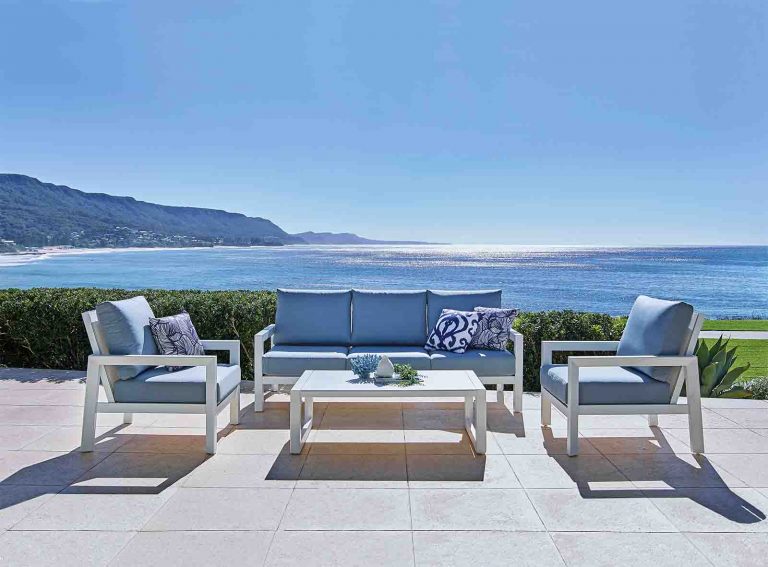
How do I clean mold and mildew from outdoor furniture cushions?
Mold and mildew can develop on outdoor furniture cushions due to exposure to moisture and lack of proper ventilation. Here’s a step-by-step guide to cleaning mold and mildew from your outdoor furniture cushions:
1. Safety Precautions:
Before starting the cleaning process, make sure to wear protective gloves and a mask to avoid direct contact with mold spores.
2. Brushing:
Begin by using a soft-bristle brush or a toothbrush to gently scrub the affected areas of the cushions. This will help loosen the mold or mildew and remove any surface debris.
3. Vacuuming:
Use a vacuum cleaner with a brush attachment to thoroughly vacuum the cushions. This will help remove any loose mold spores or debris.
4. Cleaning Solution:
Prepare a cleaning solution by mixing one part mild dish soap or laundry detergent with four parts warm water. Avoid using bleach or harsh chemicals, as they can damage the fabric.
5. Spot Testing:
Before applying the cleaning solution to the entire cushion, perform a spot test on a small, inconspicuous area to ensure that it does not cause any discoloration or damage.
6. Cleaning:
Dip a sponge or soft cloth into the cleaning solution and gently scrub the affected areas of the cushions. Work in small sections and avoid oversaturating the fabric.
7. Rinsing:
After cleaning, rinse the cushions thoroughly with clean water to remove any soap residue. This can be done using a garden hose or by wiping the cushions with a damp cloth.
8. Drying:
Allow the cushions to air dry completely in a well-ventilated area. Avoid placing them in direct sunlight, as this can cause fading or damage to the fabric.
9. Prevention:
To prevent future mold and mildew growth, ensure proper ventilation for your outdoor furniture. Avoid leaving cushions exposed to prolonged moisture or rain. If possible, store the cushions in a dry place during periods of non-use.
If the mold or mildew stains persist after cleaning, you may need to repeat the process or consider using a specialized mold and mildew cleaner. Follow the instructions provided by the manufacturer for best results.
Regular maintenance and cleaning of outdoor furniture cushions can help prevent mold and mildew growth. It’s recommended to clean the cushions at least once a season or more frequently if needed.
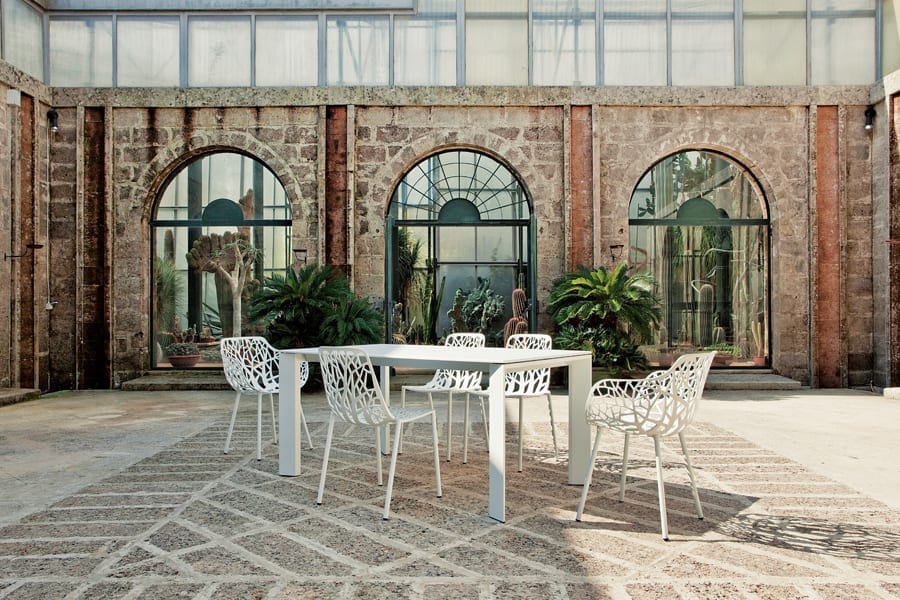
Can you suggest creative ways to arrange outdoor furniture for gatherings?
Arranging outdoor furniture in creative ways can enhance the ambiance and functionality of your outdoor gatherings. Here are some suggestions for arranging outdoor furniture for gatherings:
1. Circular Conversation Area: Create a circular seating arrangement by arranging chairs or sofas in a circle. This layout encourages conversation and allows everyone to see and interact with each other. Place a central coffee table or fire pit in the middle to provide a focal point and space for drinks or snacks.
2. Outdoor Dining Setup: If you’re hosting a meal outdoors, set up a dining area with a large table and chairs. Position the table in a central location and arrange the chairs around it. You can opt for traditional dining chairs or mix it up with benches or a combination of seating options. Consider adding outdoor lighting, such as string lights or lanterns, to create a cozy and inviting atmosphere.
3. Intimate Lounge Area: Create a cozy and intimate lounge area by arranging outdoor sofas, loveseats, or lounge chairs facing each other. This setup is ideal for relaxed conversations or smaller gatherings. Add side tables or a coffee table between the seats for convenience.
4. Outdoor Theater Setup: Turn your outdoor space into a mini theater by arranging seating in a semi-circle or facing a large projection screen or outdoor TV. Provide comfortable seating options such as reclining chairs, outdoor bean bags, or even large floor cushions. Consider adding blankets or throws for extra coziness during evening gatherings.
5. Multiple Seating Areas: If you have a large outdoor space, consider creating multiple seating areas to accommodate different activities and conversations. You can have a lounge area for relaxed conversations, a dining area for meals, and a separate area with chairs or stools for mingling or enjoying a view. Use outdoor rugs or different flooring materials to visually define each seating area.
6. Outdoor Bar Setup: If you enjoy hosting outdoor parties, create a dedicated outdoor bar area. Set up a bar counter or a portable bar cart and arrange bar stools around it. Equip the bar area with essential accessories like a cocktail shaker, glasses, and a small refrigerator or cooler for drinks.
7. Cozy Corner Nooks: Utilize corners or nooks in your outdoor space by creating cozy seating areas. Place a bench or a small loveseat against a wall or a corner, and add cushions and throw pillows for comfort. This setup provides a secluded spot for quiet conversations or relaxation.
Remember to consider the flow of movement and the specific needs of your gatherings when arranging outdoor furniture. Leave enough space for guests to move around comfortably and ensure easy access to amenities like food, drinks, and restrooms.
How do I choose the right cushions and fabrics for my outdoor furniture?
Choosing the right cushions and fabrics for your outdoor furniture is essential to ensure comfort, durability, and resistance to the elements. Here are some factors to consider when making your selection:
1. Weather Resistance: Opt for cushions and fabrics that are specifically designed for outdoor use and can withstand various weather conditions. Look for materials that are water-resistant, fade-resistant, and mold/mildew-resistant. Common weather-resistant fabrics include solution-dyed acrylic, polyester blends, and Sunbrella fabrics.
2. Durability: Outdoor furniture cushions and fabrics should be able to withstand frequent use and the rigors of outdoor environments. Choose fabrics that are durable and have a high abrasion resistance rating. Reinforced stitching and quality construction also contribute to the longevity of the cushions.
3. UV Protection: Sun exposure can cause fading and deterioration of fabrics. Select fabrics that have built-in UV protection to minimize color fading and maintain their appearance over time. Sunbrella fabrics, for example, offer excellent UV resistance.
4. Easy Maintenance: Consider the ease of cleaning and maintenance when choosing cushions and fabrics. Look for fabrics that are easy to clean with mild soap and water or can be machine-washed. Stain-resistant fabrics can also be beneficial in outdoor settings.
5. Comfort: Opt for cushions that provide sufficient comfort and support. Consider the thickness and density of the cushion foam or filling. High-quality foam or fiberfill materials offer better resilience and long-lasting comfort.
6. Color and Style: Choose cushions and fabrics that complement your outdoor aesthetic and personal style. Consider the color scheme, patterns, and textures that will enhance the overall look of your outdoor furniture and space.
7. Compatibility: Ensure that the cushions and fabrics you choose are compatible with your specific outdoor furniture pieces. Measure the dimensions of your furniture and select cushions that fit properly and securely.
8. Test and Research: Whenever possible, examine and test the cushions and fabrics in person. Feel the texture, sit on the cushions, and assess their comfort and quality. Additionally, research customer reviews and ratings to gather insights into the performance and durability of the fabrics.
By considering these factors and conducting thorough research, you can choose cushions and fabrics that are well-suited for your outdoor furniture, providing comfort, durability, and style for your outdoor living space.
editor by CX 2023-12-07
China Best Sales CHINAMFG Natural Agate Crystal Glass Top Coffee Table New Designed Grey Stone Side Table Glass Top Coffee Table with high quality
Product Description
Stainless Steel Table Suit Living Room Furniture Glass Coffee Tables
Product Description
| Product Name | Coffee table | Style | Modern |
| Item number | HCT-186 | Size | dia45*50cm |
| Material | Glass+stainlee steel | Free Sample | 3-7 days |
| Payment terms | T/T,L/C AT SIGHT | Trade terms | FOB,EXW |
| Loading port | Xihu (West Lake) Dis.g,China | Delivery time | 30-40 days |
| Packing | 1pc/1ctn | QTY/40HQ | 1360 pcs |
Main Products
MAIN PRODUCTS
Production picture
Production Line
Detailed Photos
Glass color and shape you can shoose
Frame color you can shoose
Frame color you can shoose
Packaging & Shipping
Our Advantages
1.There are 9 years which is in the field of stainless steel products;
2.OEM&ODM is accepted;
3.We can send tube sample of stainless steel by free with DDT;
4.Product’s Size can be customized;
5.Low MOQ for your trail order;
6.Offering free sample,sample is finished within 7 days;
7.We can do 3D drawing before mass production;
8.Full inspection is welcomed;
9.Provide high quality photos for your pre-selling;
10.Quick delivery time: 25-45 days after receiving deposit or copy of L/C.
FAQ
Q1:Trading company or factory?Can I visit your factory?
A1: We are factory which is professional to produce stainless steel furniture;We warmly welcome you to visit our factory.Please contact us to make an appointment;
Q2:Products range?
A2:Stainless steel dining table,coffee table,tv stand,shelf,stool,bench,mirror,serving trolley,etc;
Q3:Sample?
A3:Free sample policy.You can order 1 sample first to check if the quality is ok or not.It usually takes 3-7 days.Welcome to send inquiry.Morever,we also can produce sample first for order,after checking quality then arrange bulk production;
Q4:OEM&ODM?
A4:Yes,welcomed;
Q5:Payment terms?
A5:T/T,L/C AT SIGHT;
Q6:Delivery time?
A6:30-45 days after receiving deposit or get the copy of L/C;
Q7:Main market?
A7:Our main export markets are Europe,South America,North America,Asia etc;
Q8:How does your factory control quality?
A8:Each production process is operated by experienced workers. Before packing, check the details of the products. In the later stage, spot check or full inspection will be conducted according to the customer’s requirements. After the quality is passed, the cabinet will be arranged;
Any more questions,pls feel free to contact us!
| Style: | Modern |
|---|---|
| Material: | Stainless Steel |
| Folded: | Unfolded |
| Customized: | Customized |
| Condition: | New |
| Packing: | 1PC/CTN |
| Samples: |
US$ 40/Piece
1 Piece(Min.Order) | |
|---|
| Customization: |
Available
|
|
|---|
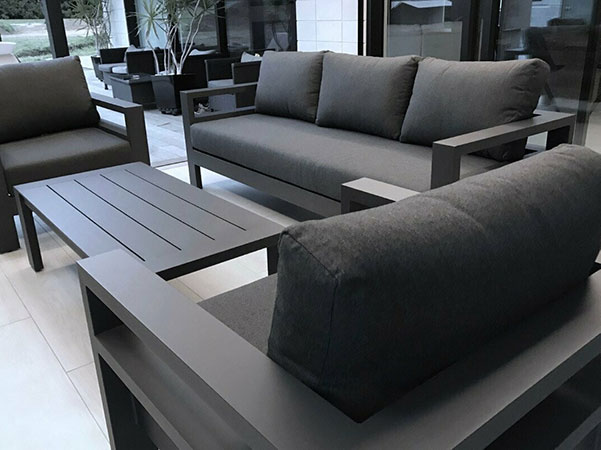
How do aluminum tables contribute to the aesthetics of outdoor dining areas?
Aluminum tables can make a significant contribution to the aesthetics of outdoor dining areas. Here is a detailed explanation:
1. Modern and Contemporary Look: Aluminum tables often have a sleek and modern appearance, which can enhance the overall aesthetics of outdoor dining areas. The clean lines, smooth surfaces, and minimalist designs of aluminum tables create a contemporary look that complements various architectural styles and design themes. Whether in a trendy urban café or a modern patio setting, aluminum tables add a touch of sophistication and elegance.
2. Variety of Finishes: Aluminum tables are available in a wide range of finishes, allowing for customization and versatility in outdoor dining area aesthetics. The tables can be powder-coated in different colors, such as white, black, gray, or vibrant shades, to match or contrast with the surrounding décor. Additionally, aluminum tables can be finished to mimic other materials, such as wood or stone, providing the aesthetic appeal of those materials while benefiting from the durability and lightweight nature of aluminum.
3. Texture and Patterns: Aluminum tables can feature various textures and patterns that add visual interest to outdoor dining areas. Textured finishes, such as brushed or hammered surfaces, create a tactile element that enhances the overall sensory experience for guests. Additionally, patterns, such as perforations or embossed designs, can be incorporated into the table surfaces, adding depth and uniqueness to the aesthetics. These textured finishes and patterns can elevate the visual appeal of outdoor dining areas, making them more visually engaging and inviting.
4. Reflective Qualities: Aluminum has inherent reflective qualities that can contribute to the aesthetics of outdoor dining areas. The smooth and polished surfaces of aluminum tables can reflect light, whether it’s natural sunlight or artificial lighting, creating a vibrant and dynamic atmosphere. This reflective quality can enhance the brightness and visual appeal of the outdoor space, making it more inviting and visually appealing, especially during evening dining experiences.
5. Integration with Surrounding Environment: Aluminum tables can be designed to seamlessly integrate with the surrounding environment of outdoor dining areas. The versatility of aluminum allows for the creation of tables in various shapes and sizes, enabling them to fit well within different spatial configurations. Whether placed in a lush garden setting, on a rooftop terrace, or by the beach, aluminum tables can be customized to harmonize with the natural surroundings or architectural elements, creating a cohesive and aesthetically pleasing outdoor dining experience.
6. Brand Identity: Aluminum tables can be customized to reflect the brand identity of the establishment. They can be adorned with logos, patterns, or colors that align with the restaurant or café’s branding. Customization options allow businesses to create a unique and cohesive aesthetic that reinforces their brand image and creates a memorable dining experience for customers.
7. Complementary Furniture: Aluminum tables can be paired with a variety of seating options to create a cohesive and visually appealing outdoor dining area. Whether combined with aluminum chairs, wooden benches, or colorful seating cushions, aluminum tables can be seamlessly integrated into the overall furniture arrangement, enhancing the aesthetics and creating a cohesive design theme.
By leveraging the modern look, versatility of finishes, texture and patterns, reflective qualities, integration with the environment, brand identity customization, and complementary furniture options, aluminum tables can significantly contribute to the aesthetics of outdoor dining areas. Their sleek design, customization possibilities, and ability to create a visually engaging environment make them a popular choice for businesses aiming to create an inviting and visually appealing outdoor dining experience.
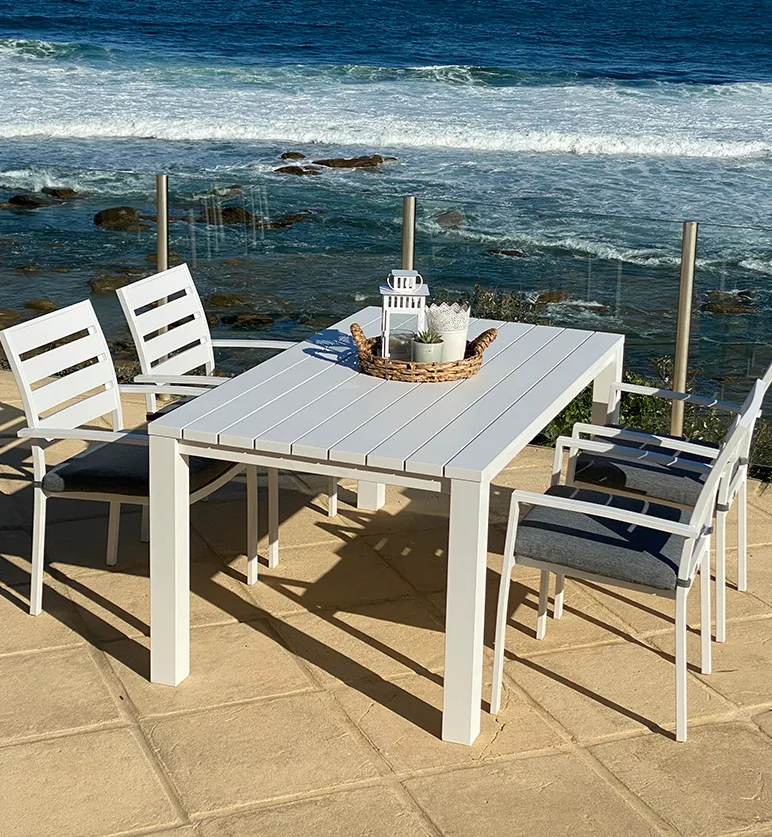
Are there any innovative or space-saving designs available for aluminum tables?
Yes, there are innovative and space-saving designs available for aluminum tables. Here is a detailed explanation:
1. Folding Tables: Folding aluminum tables are a popular choice for those looking to save space. These tables feature collapsible legs or a hinged top that allows them to be easily folded and stored when not in use. Folding tables are compact and can be conveniently stored in small spaces such as closets, garages, or under beds. They are especially useful for outdoor gatherings, picnics, or camping trips where portability and space efficiency are important.
2. Expandable or Extendable Tables: Some aluminum tables come with innovative mechanisms that allow them to expand or extend their surface area. These tables typically have additional leaves or sections that can be inserted or unfolded to increase the table’s size. By incorporating these expandable features, the table can accommodate more people or provide a larger surface area when needed. When not in use, the additional leaves or sections can be removed or folded back, saving space.
3. Nesting Tables: Nesting tables are a clever space-saving solution that consists of multiple tables of different sizes that can be neatly stacked together. Aluminum nesting tables typically feature a set of two or more tables that can be arranged in various configurations. When not in use, the smaller tables can be nested under the larger ones, occupying minimal space. These tables offer versatility, allowing you to use them individually or as a set, depending on your needs.
4. Convertible Tables: Convertible aluminum tables are designed to serve multiple purposes, maximizing functionality while saving space. These tables can be transformed or adjusted to different configurations or forms to accommodate various activities. For example, some convertible tables can convert from a coffee table height to a dining table height, or from a regular table to a bar table. These versatile designs allow you to optimize space while adapting the table to different functions.
5. Built-in Storage: Some innovative aluminum table designs incorporate built-in storage compartments or shelves. These tables provide a dual-purpose solution by offering a functional tabletop surface and additional storage space. The storage compartments can be used to store items such as outdoor accessories, tableware, or even cushions. By integrating storage into the table design, you can reduce clutter and keep your outdoor space organized.
6. Modular Tables: Modular aluminum tables consist of individual components or modules that can be combined or rearranged to create different table configurations. These tables often feature interchangeable parts, allowing you to customize the table size, shape, or layout according to your specific needs. Modular tables are flexible and adaptable, making them suitable for various outdoor spaces and accommodating different seating arrangements.
7. Space-Saving Designs: In addition to specific features, many aluminum table designs focus on space efficiency as a whole. Tables with sleek and slim profiles, minimalist designs, or cleverly integrated features can help save space in outdoor areas. These designs prioritize functionality while reducing the overall footprint of the table, making them suitable for smaller balconies, patios, or decks.
When searching for innovative or space-saving aluminum tables, consider exploring different furniture brands, designers, or retailers that specialize in smart and compact designs. Read product descriptions, customer reviews, and examine images or diagrams to understand the specific features and space-saving capabilities of the tables.
By opting for these innovative and space-saving designs, you can enjoy the functionality and convenience of aluminum tables while maximizing the use of your outdoor space.
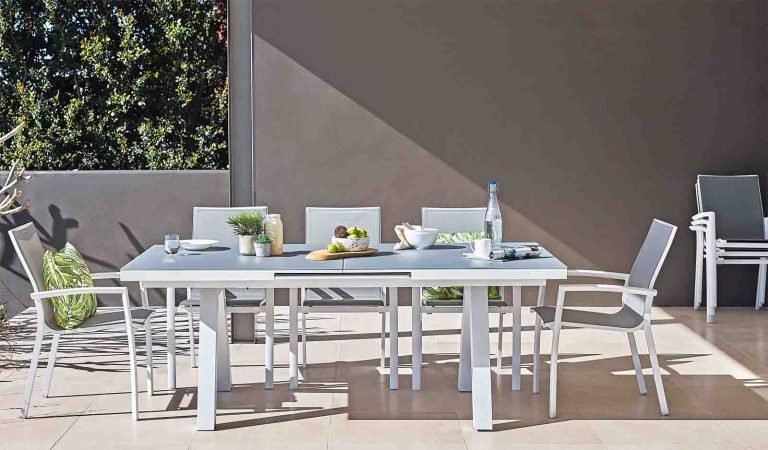
What are the benefits of choosing aluminum tables for outdoor dining?
Choosing aluminum tables for outdoor dining offers several benefits. Here is a detailed explanation of these advantages:
1. Durability: Aluminum tables are highly durable and can withstand outdoor elements. Aluminum is resistant to rust, corrosion, and fading, making it an excellent choice for outdoor furniture, including dining tables. It can withstand exposure to sunlight, rain, and temperature variations without deteriorating, ensuring long-lasting performance.
2. Lightweight: Aluminum is a lightweight material, making it easy to move and rearrange your outdoor dining area. This is particularly beneficial if you plan to rearrange your outdoor space frequently or if you need to store the furniture during certain seasons. The lightweight nature of aluminum tables allows for easy transportation and maneuverability.
3. Weather Resistance: Aluminum is highly resistant to weather conditions, making it ideal for outdoor dining tables. It does not warp, crack, or swell when exposed to moisture, making it suitable for areas with high humidity or frequent rain. Aluminum tables can withstand extreme temperatures without losing their structural integrity, ensuring they remain in excellent condition throughout the year.
4. Low Maintenance: Aluminum tables require minimal maintenance compared to other materials. They do not require regular sealing or staining like wooden tables. Cleaning aluminum tables is a simple task that can be done with mild soap and water. The non-porous surface of aluminum prevents the buildup of dirt, stains, or mold, making it easy to keep the tables clean and looking their best.
5. Variety of Designs: Aluminum tables come in a wide range of designs, styles, and finishes, allowing you to choose one that suits your outdoor dining aesthetic. Whether you prefer a modern, contemporary, or traditional look, there are aluminum tables available to complement your outdoor space. The versatility of aluminum as a material allows for creative and intricate designs, providing options for different design preferences.
6. Stability and Sturdiness: Aluminum tables are known for their stability and sturdiness. They have a solid construction that can withstand the weight of dishes, food, and drinks without wobbling or tipping over. Aluminum tables provide a reliable surface for outdoor dining, ensuring a comfortable and secure dining experience for you and your guests.
7. Safe and Hygienic: Aluminum is a safe and hygienic material for outdoor dining tables. It is non-toxic and does not release any harmful substances. Aluminum tables are easy to clean and maintain proper hygiene standards, making them suitable for food preparation and dining. Additionally, aluminum is resistant to pests and insects, providing an added advantage for outdoor dining areas.
8. Cost-Effective: Aluminum tables are often more cost-effective compared to other materials commonly used for outdoor dining tables, such as wood or wrought iron. They offer durability and longevity at a more affordable price point. Choosing aluminum tables can be a cost-effective option without compromising on quality and functionality.
In summary, choosing aluminum tables for outdoor dining provides the benefits of durability, lightweight design, weather resistance, low maintenance, a variety of designs, stability and sturdiness, safety and hygiene, and cost-effectiveness. These advantages make aluminum tables an excellent choice for creating a functional and visually appealing outdoor dining area.
editor by CX 2023-12-07
China manufacturer Hot-Sale Modern Garden Rectangle Outdoor CHINAMFG Wooden Extendable Dining Table with Best Sales
Product Description
HangZhou Dezheng Outdoor Co.,Ltd is located in HangZhou City, ZheJiang Province which is less than 1 hour driving to HangZhou. We are a professional company cooperate with long-term associate factories concentrate on furniture only which has a wide range of products such as aluminum furniture, rattan furniture, rattan chair, rattan table, wicker furniture, wicker chair, wicker table, hotel furniture, hotel chair, restaurant furniture, dinning set, dining chair, dining table, outdoor furniture, outdoor chair, outdoor table, patio furniture, patio chair, patio table, modern furiture, dining chair, dining table, restaurant chair, restaurant table, bar furniture, bar chair, bar table, home furniture, adirondack chair, sun lounger, beach chair, bistro chair, rocking chair etc.
There are 100 workers in our factory and we can produce 20,000pcs chairs per month. OEM projects are highly welcomed, we have strong engineer team to support us for design and production. On time delivery, high quality and good service are the top goals of our company.
Using qualified material and producing according to standard steps, we have passed SGS quality system, BSCI and ISO certificate.
We own acid pickling pool, dirty water filtration system and two powder coated lines with environment friendly authority certificate, 1 line is for customize products and sample development, designer products, project projects.
The other 1 line is 800 meters long bulk order powder coated line for regular products, make sure for the products quality are the best, can control all the products that we produced are perfect.
| Aluminum Tube: | 50*25*1.2mm table top frame |
| Table top: | HIPS plastic wood W180*14mm Extendable top from 180-240cm |
| Foot base: | 60*60*1.4mm X-shape legs |
| Connection way: | Full welding joints+ Hex stainless steel screws |
| Packing way: | wrapped with bubble, KD 5 layers carton box packing |
| Surface treatment: | Plain color powder coated |
| Capacity: | 200 kg / 2 years warranty |
| Loading QTY: | 78/162/174 pcs in 20GP/40GP/40HQ |
| Size: | 180-240x90x76cm |
The advantages of our factory.
A. Low MOQ, we can accommodate your quantity, even if it is small.
B. OEM accepted, products can be made based on your requirements.
C.Good quality, we have very strict quality control.
D. Best price, we will give you the most competitive price.
E. Accurate delivery time, we will make sure the goods are delivered to you on time.
F. Good service, quick response, try our best to help.
G. Good English, Easy communication.
FAQ
(1)What is your MOQ?
Depends on the item, some are 50pc, some are 20pc.
(2)What is the loading port?
HangZhou, HangZhou.
(3)What is your payment term?
T/T or online transactions.
(4)What is your delivery time?
Manufacture takes about 30-45 days (depending on the complexity of the order) after the deposit has been received. Then shipping time depends on where you would like your products shipped to. Stocked items will be faster.
(5) Can i visit your factory?
Sure. We warmly welcome you to visit our factory. Please contact us to make an appointment.
(6) What’s your payment term?
Generally, our payment term is FOB or EXW. If you want to do CIF or CFR, we can quote for you. We require a 50% deposit prior to manufacture and the balance prior to shipping.
(7) Do you have the products in stock?
We have some in stock. Please enquire for what we have available.
(8) What are your warranty terms?
We provide a 1 year warranty for structure and workmanship.
(9) Can i order a sample from you?
Yes, we will charge double price for the sample with the excess put toward your main order when you place it.
(10) Can i use my own fabric or other materials?
Yes, please send the materials to our factory before the production. However, we are not responsible for the international delivery cost, any tax or delays caused by late arrival.
(11) How can I make a change or cancel my order?
Making a change to your order is only allowed before production. Once your order has been produced, the order cannot be cancelled or returned. If you require a small change, you may be charged extra according to the situation.
(12) How can I be certain the product is correct and up to standard?
Before we produce the products we will double check all the details with you. For large orders with minimal time restrictions we can make a sample first. If everything is correct, we will continue on to the production.
(13) How does your factory do quality control?
Our quality inspections will take place during each stage of the production process. Also, you are welcome to come to our factory to make an inspection before shipment. When you are satisfied with the product and make the payment, then we will make the shipment.
(14) What happens if my products are damaged?
If the products have been damaged during transportation from China to your destination, please take pictures and send the details to us. If you are concerned about damage occurring, we can purchase insurance for the shipping.
| Material: | Aluminum & HIPS Plastic Wood |
|---|---|
| Style: | European |
| Usage: | Beach, Park, Restaurant, Cafe, Home |
| Kind: | Dining-table |
| Folded: | Extendable |
| Color: | Teak |
| Samples: |
US$ 222/Piece
1 Piece(Min.Order) | |
|---|
| Customization: |
Available
|
|
|---|
What are the ideal sizes and shapes for aluminum tables in different settings?
Choosing the ideal size and shape for aluminum tables depends on the specific setting and intended use. Here is a detailed explanation:
1. Outdoor Dining Areas: In outdoor dining areas, rectangular and round-shaped aluminum tables are commonly used. Rectangular tables offer versatility and can accommodate larger groups, making them suitable for restaurants, cafes, or outdoor events. They provide ample space for dining and can be arranged in long rows or grouped together. Round tables, on the other hand, promote a more intimate dining experience and are suitable for smaller groups or couples. They encourage conversation and are often preferred in outdoor cafes or patio settings.
2. Picnic Areas and Parks: Picnic areas and parks often benefit from larger aluminum tables that can accommodate multiple families or groups. Rectangular tables are popular in these settings as they provide ample seating space and can accommodate picnic baskets, food, and beverages. Additionally, some picnic areas may have designated barbecue grills or cooking facilities, and larger rectangular tables can provide space for food preparation and serving.
3. Rooftop Terraces and Balconies: For rooftop terraces and balconies, smaller-sized aluminum tables are often preferred to optimize space utilization. Square or round tables are ideal for these settings as they can comfortably accommodate a few individuals or couples. The compact size allows for flexibility in arranging the furniture and creating cozy dining areas while maximizing the available space.
4. Poolside and Patio Areas: Poolside and patio areas typically require aluminum tables that are durable and resistant to moisture. Round or square tables are commonly used in these settings. Round tables can facilitate conversation and social interaction, while square tables offer a more structured and symmetrical arrangement. The size of the tables can vary depending on the available space and the number of people expected to use them.
5. Bar and Bistro Settings: Bar and bistro settings often feature tall or counter-height aluminum tables. These tables are designed to accommodate bar stools or high chairs, creating a casual and social atmosphere. Rectangular or square-shaped tables are commonly used, with sizes that allow for comfortable seating and the placement of drinks and appetizers.
6. Outdoor Lounges and Cafes: Outdoor lounges and cafes often employ a combination of different table sizes and shapes to create varied seating options. Along with rectangular and round tables, smaller coffee tables or side tables can be used to accompany lounge chairs or outdoor sofas. This arrangement provides flexibility for guests to enjoy a beverage or snack in a relaxed setting.
7. Event or Conference Spaces: In event or conference spaces, aluminum tables are typically used for seating arrangements, buffet setups, or display purposes. The size and shape of the tables depend on the specific requirements of the event. Rectangular tables are commonly used for banquet-style seating, while round tables encourage interaction and facilitate discussions among participants.
It is important to consider the available space, the number of people to be accommodated, and the desired seating arrangement when determining the ideal size and shape of aluminum tables. By understanding the specific setting and intended use, you can select tables that optimize functionality, promote comfort, and enhance the overall aesthetics of the environment.
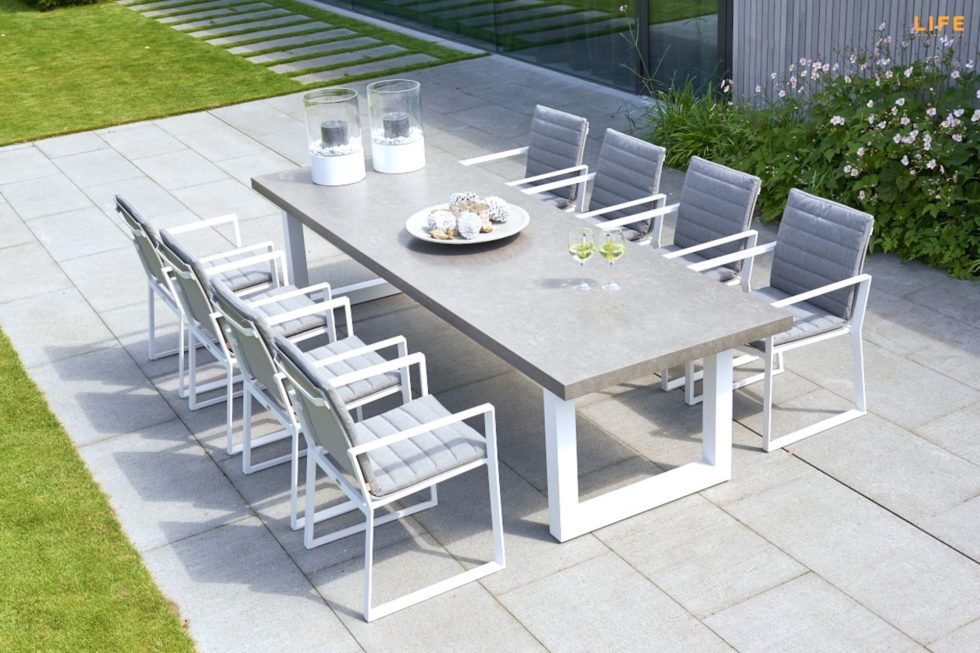
What are the top considerations when selecting cushions and fabrics for aluminum table chairs?
When selecting cushions and fabrics for aluminum table chairs, several considerations should be taken into account to ensure comfort, durability, and aesthetic appeal. Here is a detailed explanation of the top considerations:
1. Weather Resistance: Outdoor cushions and fabrics for aluminum table chairs should be designed to withstand outdoor elements. It is crucial to choose materials that are weather-resistant, fade-resistant, and can withstand exposure to sunlight, rain, humidity, and temperature changes. Look for cushions and fabrics that are specifically labeled as suitable for outdoor use and are made from materials such as solution-dyed acrylic, polyester, or vinyl-coated fabrics. These materials are known for their durability and resistance to fading, mold, and mildew.
2. Comfort: Comfort is a key consideration when selecting cushions for aluminum table chairs. Look for cushions that provide adequate padding and support, allowing for a comfortable seating experience. Consider the thickness and density of the cushion foam to ensure optimal comfort. Cushions with a higher density foam tend to offer better support and retain their shape over time. Additionally, consider the ergonomic design of the cushions, including the shape and contouring, to provide proper support for the back and bottom.
3. Easy Maintenance: Outdoor cushions and fabrics for aluminum table chairs should be easy to clean and maintain. Look for materials that are stain-resistant and can be easily wiped clean with mild soap and water. Removable cushion covers with zipper closures are convenient as they can be easily removed and washed when needed. Additionally, consider fabrics that are resistant to mold and mildew, as these can be common issues in outdoor environments. Choosing low-maintenance materials will help to extend the lifespan of the cushions and keep them looking fresh and clean.
4. Color and Style: The color and style of the cushions and fabrics should complement the overall design aesthetic of the outdoor space. Consider the existing color scheme, the style of the aluminum table chairs, and the surrounding environment when selecting cushion colors and patterns. Neutral colors such as beige, gray, or taupe are versatile options that can blend well with various design styles. However, vibrant or patterned cushions can add a pop of color and personality to the seating area. Choose colors and patterns that create a cohesive and visually appealing look with the aluminum table chairs and the outdoor surroundings.
5. Fade Resistance: Outdoor fabrics exposed to sunlight can fade over time. Look for cushions and fabrics that are specifically designed to be fade-resistant. Solution-dyed acrylic fabrics are known for their excellent colorfastness and resistance to fading. They are dyed before the fibers are formed, resulting in color that is embedded throughout the fabric. This ensures that the cushions retain their vibrant colors even with prolonged exposure to sunlight.
6. Quality and Durability: Investing in high-quality cushions and fabrics is important to ensure their longevity. Look for well-constructed cushions with durable stitching and reinforced seams. Consider the reputation and quality of the brand or manufacturer when selecting cushions. Reviews and customer feedback can provide valuable insights into the durability and performance of the cushions over time. Investing in quality cushions and fabrics will result in a more durable and long-lasting seating solution for the aluminum table chairs.
7. Budget: Lastly, consider your budget when selecting cushions and fabrics for aluminum table chairs. Cushions and fabrics come in a wide range of price points, depending on the materials used, the brand, and the quality. Set a budget and look for options that offer a balance between quality, comfort, and affordability. Remember that investing in higher-quality cushions and fabrics can often result in a longer lifespan and better overall performance.
By considering these top considerations when selecting cushions and fabrics for aluminum table chairs, you can choose options that provide comfort, durability, easy maintenance, and a stylish appearance. This will enhance the overall seating experience and create an inviting and enjoyable outdoor dining or lounging area.
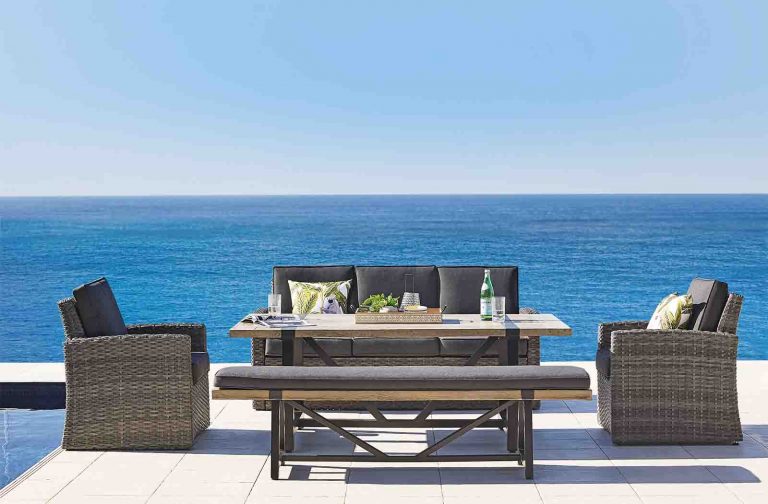
Can aluminum tables withstand exposure to the elements in outdoor spaces?
Yes, aluminum tables are well-suited to withstand exposure to the elements in outdoor spaces. Here is a detailed explanation:
1. Corrosion Resistance: One of the key advantages of aluminum tables is their excellent corrosion resistance. Aluminum naturally forms a protective oxide layer on its surface, which helps prevent rust and corrosion. This oxide layer acts as a barrier, shielding the underlying aluminum from moisture, rain, and other environmental factors. As a result, aluminum tables can withstand exposure to rain, humidity, and other outdoor elements without deteriorating or rusting.
2. Weather Resistance: Aluminum tables are designed to be weather-resistant. They can withstand a wide range of weather conditions, including sunlight, heat, cold, and temperature variations. Unlike some other materials that may warp, crack, or fade when exposed to extreme temperatures or sunlight, aluminum maintains its structural integrity and appearance over time. This makes aluminum tables suitable for use in various climates and outdoor environments.
3. UV Stability: Aluminum has good UV stability, meaning it can resist the harmful effects of ultraviolet (UV) rays from the sun. UV rays can cause fading, discoloration, and degradation of materials over time. However, aluminum tables are less susceptible to UV damage, allowing them to retain their color and overall appearance even with prolonged exposure to sunlight. This makes them a durable choice for outdoor spaces where they may be exposed to direct sunlight for extended periods.
4. Non-Reactivity: Aluminum is a non-reactive material, which means it does not easily react or interact with other substances or chemicals in the environment. This property is beneficial for outdoor tables, as they may come into contact with various substances such as water, cleaning agents, food, or beverages. Aluminum tables do not corrode or stain when exposed to these substances, making them easy to clean and maintain in outdoor settings.
5. Low Maintenance: Aluminum tables require minimal maintenance when used in outdoor spaces. Unlike materials like wood, which may need regular sealing or staining to protect them from the elements, aluminum tables typically only require basic cleaning to remove dirt or debris. The inherent durability and resistance of aluminum make it a low-maintenance option for outdoor furniture.
6. Longevity: Aluminum tables have a long lifespan when properly cared for. With their resistance to corrosion, weather, and UV damage, aluminum tables can maintain their functionality and appearance for many years. This durability and longevity make them a cost-effective investment for outdoor spaces, as they can withstand the rigors of outdoor use and provide long-lasting performance.
It’s important to note that while aluminum tables are highly resistant to the elements, their overall durability can also depend on factors such as the quality of construction, finishes, and maintenance practices. It is advisable to follow manufacturer guidelines for care and maintenance to maximize the lifespan and performance of aluminum tables in outdoor spaces.
In summary, aluminum tables are well-equipped to withstand exposure to the elements in outdoor spaces. Their corrosion resistance, weather resistance, UV stability, non-reactivity, low maintenance requirements, and longevity make them a reliable and durable choice for outdoor furniture.
editor by CX 2023-12-07
China Custom Air Compressor/3D Wheel Alignment/Scissor Car Lift/Auto Lift/Wheel Balancer/Automobile Maintenance/Garage Equipment/Diesel Air Compressor air compressor oil
Product Description
Diesel Air Compressors
Parameter:
Specification for Diesel Air Compressors:
| Model | XP-0.9/12.5 | XP-1.0/14 | XP-1.05/14 |
| Power | 7.5 KW / 10 HP | 7.5 KW/ 10 HP | 11 KW / 15 HP |
| Voltage | 12 V | 12 V | 12 V |
| Exhaust volume | 900l/min | 1000l/min | 1050l/min |
| Rated pressure | 12.5 BAR | 14 BAR | 14 BAR |
| Machine head speed | 800 RMP | 900 RMP | 860 RMP |
| Air storage tank volume | 160 L | 160 L | 300 L |
| Cylinder | 105MM*1 55MM*1 | 90MM*2 65MM*1 | 105MM*2 55MM*2 |
| External dimensions | 1360*460*1140 MM | 1360*460*1140 MM | 1650*600*1340 MM |
| Net weight | 255KG | 240KG | 390KG |
Specification for Scissor Lift:
|
Model Number |
XP-8530 |
|
Lifting Capacity |
3000kg |
|
Lifting Height |
1850mm |
|
Min. Height |
105mm |
|
Lifting Time |
70s-90s |
|
Platform Length |
1450mm |
|
Platform Width |
650mm |
|
Motor Power |
2.2KW-220V or 2.2KW-380V |
|
Rated Oil Pressure |
24MРа |
|
Air Pressure |
0.6-0.8Мра |
|
Weight |
830kg |
Specification for Two Post Lift:
|
SPECIFICATION |
HE-2-40 |
|
Lifting capacity |
4000kg |
|
Max. lifting height |
1900mm |
|
Min. height |
110mm |
| Pass Width | 2500mm |
| Inner Column Width |
2790mm |
| Total Width |
3435mm |
|
Lifting time |
50-60s |
| Motor Power | 2.2KW-380V or 2.2KW-220V |
| Rated Oil Pressure | 24Mpa |
|
Weight |
560kg |
Specification for Tyre Changer:
| Model | HE328+HF160 |
| Outer Clamping | 11“-22“ |
| Inner Clamping | 13“-24“ |
| Max. Tire Width | 330mm |
| Max. Tire Diameter | 1000mm |
| Motor | 110V/220V/380V 50/60HZ |
| Power | 1.1KW/0.75KW |
| Operating Pressure | 8-10bar |
Specification for Wheel Balancer:
| Model | HE-589A |
| Rim Width | 1.5″ – 20″ |
| Rim Diameter | 10″ – 24″ |
| Max. Tire Diameter | 1000mm |
| Balancing Speed | 180r/min |
| Motor | 110V/220V 50/60HZ |
| Power | 0.25KW |
| Balancing Precision | ±1g |
Trade Info:
|
Trade Terms |
FOB / CFR |
|
MOQ |
3UNITS (USD200.00 extrally charged for LCL shipment to cover the inland freight + custom declaration fee) |
|
Port |
HangZhou |
|
Shipment |
BY SEA /AIR |
|
Payment Terms |
T/T |
|
Payment condition |
30% prepayment,balanced before shipment. |
|
Supply Capability |
1000units/month |
|
Sample Availability |
Yes ,But all freight(Inland freight +seafreight) covered by buyer |
|
Sample Time |
5-10days(depends on whether have in stock) |
|
Lead Time |
25-30days(Rush season 5-10days longer) |
|
Packing |
Metal frame&Carton |
|
Delivery time |
30-45days shipping time (depends on destination position) |
|
Service |
1% free parts;1year warranty after port of destination |
Why do you choose our product?
1. Why should I choose our product?
There are several reasons you should strongly consider purchasing our product:
*Top raw materials from only the finest plants
*Only professional cost-effective equipment
*Low prices with high quality revenue producing products
*Increase productivity for your customers( Your customers gain more, they will enjoy buying from you.)
*The best customer service. Quick reply within 24 hours and more.
*Great Warranty
2. How safe are your product?
our product have been tested and CE certified for safety .
They also meet the American and Australian Standard.
3. Should I keep repair and replacement parts in stock?
Yes, most all commonly required repair and replacement parts should always keep in stock.
4. Are your product designed for commercial use?
All of our product can be used in commercial applications without any problems.
5. Do you offer any custom designs?
Yes,we provide OEM/ODM services to top range partners.Produce a superior product for you by your designs.
| After-sales Service: | 24 Hours Online |
|---|---|
| Warranty: | 36 Months |
| Voltage: | 380V/220V |
| Customization: |
Available
|
|
|---|
.shipping-cost-tm .tm-status-off{background: none;padding:0;color: #1470cc}
|
Shipping Cost:
Estimated freight per unit. |
about shipping cost and estimated delivery time. |
|---|
| Payment Method: |
|
|---|---|
|
Initial Payment Full Payment |
| Currency: | US$ |
|---|
| Return&refunds: | You can apply for a refund up to 30 days after receipt of the products. |
|---|
.webp)
Can air compressors be used for cleaning and blowing dust?
Yes, air compressors can be effectively used for cleaning and blowing dust in various applications. Here’s how air compressors are utilized for these purposes:
1. Cleaning Machinery and Equipment:
Air compressors are commonly used for cleaning machinery and equipment in industries such as manufacturing, automotive, and construction. Compressed air is directed through a nozzle or blowgun attachment to blow away dust, debris, and other contaminants from surfaces, crevices, and hard-to-reach areas. The high-pressure air effectively dislodges and removes accumulated dust, helping to maintain equipment performance and cleanliness.
2. Dusting Surfaces:
Air compressors are also employed for dusting surfaces in various settings, including homes, offices, and workshops. The compressed air can be used to blow dust off furniture, shelves, electronic equipment, and other objects. It provides a quick and efficient method of dusting, especially for intricate or delicate items where traditional dusting methods may be challenging.
3. Cleaning HVAC Systems:
Air compressors are utilized for cleaning HVAC (Heating, Ventilation, and Air Conditioning) systems. The compressed air can be used to blow dust, dirt, and debris from air ducts, vents, and cooling coils. This helps improve the efficiency and air quality of HVAC systems, preventing the buildup of contaminants that can affect indoor air quality.
4. Blowing Dust in Workshops:
In workshops and garages, air compressors are often used to blow dust and debris from workbenches, power tools, and work areas. Compressed air is directed to blow away loose particles and maintain a clean and safe work environment. This is particularly useful in woodworking, metalworking, and other trades where dust and debris can accumulate during the manufacturing or fabrication processes.
5. Cleaning Electronics and Computer Equipment:
Air compressors are employed for cleaning electronics and computer equipment. The compressed air is used to blow dust and debris from keyboards, computer cases, circuit boards, and other electronic components. It helps in preventing overheating and maintaining the proper functioning of sensitive electronic devices.
6. Industrial Cleaning Applications:
Air compressors find extensive use in industrial cleaning applications. They are employed in industrial settings, such as factories and warehouses, for cleaning large surfaces, production lines, and equipment. Compressed air is directed through specialized cleaning attachments or air-operated cleaning systems to remove dust, dirt, and contaminants efficiently.
When using air compressors for cleaning and blowing dust, it is important to follow safety precautions and guidelines. The high-pressure air can cause injury if directed towards the body or sensitive equipment. It is advisable to wear appropriate personal protective equipment, such as safety glasses and gloves, and ensure that the air pressure is regulated to prevent excessive force.
Overall, air compressors provide a versatile and effective solution for cleaning and blowing dust in various applications, offering a convenient alternative to traditional cleaning methods.
.webp)
What is the impact of altitude on air compressor performance?
The altitude at which an air compressor operates can have a significant impact on its performance. Here are the key factors affected by altitude:
1. Decreased Air Density:
As altitude increases, the air density decreases. This means there is less oxygen available per unit volume of air. Since air compressors rely on the intake of atmospheric air for compression, the reduced air density at higher altitudes can lead to a decrease in compressor performance.
2. Reduced Airflow:
The decrease in air density at higher altitudes results in reduced airflow. This can affect the cooling capacity of the compressor, as lower airflow hampers the dissipation of heat generated during compression. Inadequate cooling can lead to increased operating temperatures and potential overheating of the compressor.
3. Decreased Power Output:
Lower air density at higher altitudes also affects the power output of the compressor. The reduced oxygen content in the air can result in incomplete combustion, leading to decreased power generation. As a result, the compressor may deliver lower airflow and pressure than its rated capacity.
4. Extended Compression Cycle:
At higher altitudes, the air compressor needs to work harder to compress the thinner air. This can lead to an extended compression cycle, as the compressor may require more time to reach the desired pressure levels. The longer compression cycle can affect the overall efficiency and productivity of the compressor.
5. Pressure Adjustments:
When operating an air compressor at higher altitudes, it may be necessary to adjust the pressure settings. As the ambient air pressure decreases with altitude, the compressor’s pressure gauge may need to be recalibrated to maintain the desired pressure output. Failing to make these adjustments can result in underinflated tires, improper tool performance, or other issues.
6. Compressor Design:
Some air compressors are specifically designed to handle higher altitudes. These models may incorporate features such as larger intake filters, more robust cooling systems, and adjusted compression ratios to compensate for the reduced air density and maintain optimal performance.
7. Maintenance Considerations:
Operating an air compressor at higher altitudes may require additional maintenance and monitoring. It is important to regularly check and clean the intake filters to ensure proper airflow. Monitoring the compressor’s operating temperature and making any necessary adjustments or repairs is also crucial to prevent overheating and maintain efficient performance.
When using an air compressor at higher altitudes, it is advisable to consult the manufacturer’s guidelines and recommendations specific to altitude operations. Following these guidelines and considering the impact of altitude on air compressor performance will help ensure safe and efficient operation.
.webp)
What maintenance is required for air compressors?
Maintaining air compressors is essential to ensure their optimal performance, longevity, and safe operation. Regular maintenance helps prevent breakdowns, improves efficiency, and reduces the risk of accidents. Here are some key maintenance tasks for air compressors:
1. Regular Inspection: Perform visual inspections of the air compressor to identify any signs of wear, damage, or leaks. Inspect the compressor, hoses, fittings, and connections for any abnormalities. Pay attention to oil leaks, loose bolts, and worn-out components.
2. Oil Changes: If your air compressor has an oil lubrication system, regular oil changes are crucial. Follow the manufacturer’s recommendations for the frequency of oil changes and use the recommended oil type. Dirty or degraded oil can impact compressor performance and lead to premature wear.
3. Air Filter Cleaning or Replacement: Clean or replace the air filter regularly to ensure proper air intake and prevent contaminants from entering the compressor. Clogged or dirty filters can restrict airflow and reduce efficiency.
4. Drain Moisture: Air compressors produce moisture as a byproduct of the compression process. Accumulated moisture in the tank can lead to rust and corrosion. Drain the moisture regularly from the tank to prevent damage. Some compressors have automatic drains, while others require manual draining.
5. Belt Inspection and Adjustment: If your compressor has a belt-driven system, inspect the belts for signs of wear, cracks, or tension issues. Adjust or replace the belts as necessary to maintain proper tension and power transmission.
6. Tank Inspection: Inspect the compressor tank for any signs of corrosion, dents, or structural issues. A damaged tank can be hazardous and should be repaired or replaced promptly.
7. Valve Maintenance: Check the safety valves, pressure relief valves, and other valves regularly to ensure they are functioning correctly. Test the valves periodically to verify their proper operation.
8. Motor and Electrical Components: Inspect the motor and electrical components for any signs of damage or overheating. Check electrical connections for tightness and ensure proper grounding.
9. Keep the Area Clean: Maintain a clean and debris-free area around the compressor. Remove any dirt, dust, or obstructions that can hinder the compressor’s performance or cause overheating.
10. Follow Manufacturer’s Guidelines: Always refer to the manufacturer’s manual for specific maintenance instructions and recommended service intervals for your air compressor model. They provide valuable information on maintenance tasks, lubrication requirements, and safety precautions.
Regular maintenance is vital to keep your air compressor in optimal condition and extend its lifespan. It’s also important to note that maintenance requirements may vary depending on the type, size, and usage of the compressor. By following a comprehensive maintenance routine, you can ensure the reliable operation of your air compressor and maximize its efficiency and longevity.


editor by CX 2023-12-07
China Good quality Truck Parts Knoll 7131 9077 Air Compressor for Sale with Good quality
Product Description
Truck Parts Knoll 7131 9077 Air Compressor For Sale
| Company | ChinaMach Industry Co.,Ltd |
| Brand | SINOTRUK HOWO/WEICHAI/MAN/SHACMAN/FAW/FOTON/AUMAN/NORTHBENZ/SANY/SHXIHU (WEST LAKE) DIS.I/SDLG |
| QUALITY | Original part/OE part |
| Payment term | T/T L/C , Flexible billing method |
| Packing | Standard packing |
We can provide:
TRUCK
Sales Chinese trucks and construction machinery,Provide modificationsu,pgrades, consulting services
SPARE TRUCK
Supply China Truck spare parts and construction machinery parts. Products Include: Sinotruk HOWO, CHINAMFG Power , Fonton, Shacman, SHXIHU (WEST LAKE) DIS.I, CHINAMFG ,SDLG
SERVICE
Provide cargo warehousing, packaging, shipping and export agency services
Agent procurement, inspection The inspection agency
| Certification: | ISO9001 |
|---|---|
| Driving System Parts: | Frame |
| Electrical System Parts: | Starting System |
| Brake System Parts: | Brake |
| Transmission System Parts: | Transmission Shaft |
| Steering System Parts: | Steering Transmission Device |
| Samples: |
US$ 1/Piece
1 Piece(Min.Order) | |
|---|
| Customization: |
Available
|
|
|---|
.webp)
What is the impact of humidity on compressed air quality?
Humidity can have a significant impact on the quality of compressed air. Compressed air systems often draw in ambient air, which contains moisture in the form of water vapor. When this air is compressed, the moisture becomes concentrated, leading to potential issues in the compressed air. Here’s an overview of the impact of humidity on compressed air quality:
1. Corrosion:
High humidity in compressed air can contribute to corrosion within the compressed air system. The moisture in the air can react with metal surfaces, leading to rust and corrosion in pipes, tanks, valves, and other components. Corrosion not only weakens the structural integrity of the system but also introduces contaminants into the compressed air, compromising its quality and potentially damaging downstream equipment.
2. Contaminant Carryover:
Humidity in compressed air can cause carryover of contaminants. Water droplets formed due to condensation can carry particulates, oil, and other impurities present in the air. These contaminants can then be transported along with the compressed air, leading to fouling of filters, clogging of pipelines, and potential damage to pneumatic tools, machinery, and processes.
3. Decreased Efficiency of Pneumatic Systems:
Excessive moisture in compressed air can reduce the efficiency of pneumatic systems. Water droplets can obstruct or block the flow of air, leading to decreased performance of pneumatic tools and equipment. Moisture can also cause problems in control valves, actuators, and other pneumatic devices, affecting their responsiveness and accuracy.
4. Product Contamination:
In industries where compressed air comes into direct contact with products or processes, high humidity can result in product contamination. Moisture in compressed air can mix with sensitive products, leading to quality issues, spoilage, or even health hazards in industries such as food and beverage, pharmaceuticals, and electronics manufacturing.
5. Increased Maintenance Requirements:
Humidity in compressed air can increase the maintenance requirements of a compressed air system. Moisture can accumulate in filters, separators, and other air treatment components, necessitating frequent replacement or cleaning. Excessive moisture can also lead to the growth of bacteria, fungus, and mold within the system, requiring additional cleaning and maintenance efforts.
6. Adverse Effects on Instrumentation:
Humidity can adversely affect instrumentation and control systems that rely on compressed air. Moisture can disrupt the accuracy and reliability of pressure sensors, flow meters, and other pneumatic instruments, leading to incorrect measurements and control signals.
To mitigate the impact of humidity on compressed air quality, various air treatment equipment is employed, including air dryers, moisture separators, and filters. These devices help remove moisture from the compressed air, ensuring that the air supplied is dry and of high quality for the intended applications.
.webp)
Are there differences between single-stage and two-stage air compressors?
Yes, there are differences between single-stage and two-stage air compressors. Here’s an in-depth explanation of their distinctions:
Compression Stages:
The primary difference between single-stage and two-stage air compressors lies in the number of compression stages they have. A single-stage compressor has only one compression stage, while a two-stage compressor has two sequential compression stages.
Compression Process:
In a single-stage compressor, the entire compression process occurs in a single cylinder. The air is drawn into the cylinder, compressed in a single stroke, and then discharged. On the other hand, a two-stage compressor utilizes two cylinders or chambers. In the first stage, air is compressed to an intermediate pressure in the first cylinder. Then, the partially compressed air is sent to the second cylinder where it undergoes further compression to reach the desired final pressure.
Pressure Output:
The number of compression stages directly affects the pressure output of the air compressor. Single-stage compressors typically provide lower maximum pressure levels compared to two-stage compressors. Single-stage compressors are suitable for applications that require moderate to low air pressure, while two-stage compressors are capable of delivering higher pressures, making them suitable for demanding applications that require greater air pressure.
Efficiency:
Two-stage compressors generally offer higher efficiency compared to single-stage compressors. The two-stage compression process allows for better heat dissipation between stages, reducing the chances of overheating and improving overall efficiency. Additionally, the two-stage design allows the compressor to achieve higher compression ratios while minimizing the work done by each stage, resulting in improved energy efficiency.
Intercooling:
Intercooling is a feature specific to two-stage compressors. Intercoolers are heat exchangers placed between the first and second compression stages. They cool down the partially compressed air before it enters the second stage, reducing the temperature and improving compression efficiency. The intercooling process helps to minimize heat buildup and reduces the potential for moisture condensation within the compressor system.
Applications:
The choice between a single-stage and two-stage compressor depends on the intended application. Single-stage compressors are commonly used for light-duty applications such as powering pneumatic tools, small-scale workshops, and DIY projects. Two-stage compressors are more suitable for heavy-duty applications that require higher pressures, such as industrial manufacturing, automotive service, and large-scale construction.
It is important to consider the specific requirements of the application, including required pressure levels, duty cycle, and anticipated air demand, when selecting between a single-stage and two-stage air compressor.
In summary, the main differences between single-stage and two-stage air compressors lie in the number of compression stages, pressure output, efficiency, intercooling capability, and application suitability.
.webp)
What is the impact of tank size on air compressor performance?
The tank size of an air compressor plays a significant role in its performance and functionality. Here are the key impacts of tank size:
1. Air Storage Capacity: The primary function of the air compressor tank is to store compressed air. A larger tank size allows for greater air storage capacity. This means the compressor can build up a reserve of compressed air, which can be useful for applications that require intermittent or fluctuating air demand. Having a larger tank ensures a steady supply of compressed air during peak usage periods.
2. Run Time: The tank size affects the run time of the air compressor. A larger tank can provide longer continuous operation before the compressor motor needs to restart. This is because the compressed air in the tank can be used to meet the demand without the need for the compressor to run continuously. It reduces the frequency of motor cycling, which can improve energy efficiency and prolong the motor’s lifespan.
3. Pressure Stability: A larger tank helps maintain stable pressure during usage. When the compressor is running, it fills the tank until it reaches a specified pressure level, known as the cut-out pressure. As the air is consumed from the tank, the pressure drops to a certain level, known as the cut-in pressure, at which point the compressor restarts to refill the tank. A larger tank size results in a slower pressure drop during usage, ensuring more consistent and stable pressure for the connected tools or equipment.
4. Duty Cycle: The duty cycle refers to the amount of time an air compressor can operate within a given time period. A larger tank size can increase the duty cycle of the compressor. The compressor can run for longer periods before reaching its duty cycle limit, reducing the risk of overheating and improving overall performance.
5. Tool Compatibility: The tank size can also impact the compatibility with certain tools or equipment. Some tools, such as high-demand pneumatic tools or spray guns, require a continuous and adequate supply of compressed air. A larger tank size ensures that the compressor can meet the air demands of such tools without causing pressure drops or affecting performance.
It is important to note that while a larger tank size offers advantages in terms of air storage and performance, it also results in a larger and heavier compressor unit. Consider the intended application, available space, and portability requirements when selecting an air compressor with the appropriate tank size.
Ultimately, the optimal tank size for an air compressor depends on the specific needs of the user and the intended application. Assess the air requirements, duty cycle, and desired performance to determine the most suitable tank size for your air compressor.
editor by CX 2023-12-06
China OEM Original Truck Spare Parts Air Compressor for CHINAMFG Yc4y30 Yc6105QC Yc6108zq air compressor for car
Product Description
| Description: | Air Compressor |
| Model: | YC4Y30 |
| Part No.: | YV30D1-355710 |
| Brand: | ZHONGPEI |
| Warranty: | 6 Months |
| Application: | Truck |
| Package: | Carton Box |
One -station purchasing
Occupy an area of 50, 000 square meters, 20 warehouses with over 700 members…
Supporting with over 100, 000 kinds of spare parts, which make us always offer our customers satisfied service, especially timely deliver and variety kinds of auto parts
1: 25 years’ experience in auto parts.
2: No. 1 auto parts supplier in China Brand vehicles.
3: Auto parts on light, medium and heavy truck, bus, pick up.
4: Supply Engine/Gearbox assy and all Engine/Gearbox/Chassis/Body spare parts.
Chinese brand vehicles’ spare parts available…
| JAC SERIES
JAC1571,JAC1571,JAC1030,JAC1035,JAC1040,JAC1045,JAC1048,JAC1061,JAC1063,JAC1083,JAC3045,JAC3048,JAC3072,JAC3090,JAC-SWORD,JAC-GALLOP,ReFine,JAC-BUS(HK/HFC),JAC-forklifts,JAC-PICK… |
| FOTON/FORLAND/BAW SERIES
BJ1571,BJ6486/88, BJ1571,BJ1571,BJ1036,BJ1039,BJ1043,BJ1046,BJ1049(OLLIN),BJ1069(OLLIN),BJ1089,BJ3042,BJ3043,BJ3052,BJ3062,BJ3072,AUMAN,BAW1030,BAW1040,BAW1044,BAW1048^ |
| JMC/ISUZU SERIES
JMC1571,JMC1030,JMC1032,JMC1040,JMC1042,NHR,NKR,100P,600P,700P^ |
| XIHU (WEST LAKE) DIS.FENG SERIES
EQ1030,EQ1032,EQ1040,EQ1044,EQ1045,EQ1071,EQ1081,EQ3060,EQ3061,EQ3092,DFL-KINLAND,DFA-BUS^ |
| SINOTRUK SERIES
STEYR,STEYR KING,NEW-HUANGHE,HOWO,HOWO-A7,SITRAK-T7H,Golden Prince,HOKA,HAOYUN,HOWO -LIGHT TRUCK,MINE TRUCK,Golden Prince^ |
| FAW SERIES
CA1571,CA1031,CA1041,CA1047,CA1051,CA1061,CA1081,J4,J4Q,J5K,J5M,J5P,J5Q,J6^ |
| YUXIHU (WEST LAKE) DIS. SERIES
NJ1571,NJ1026,NJ1571,NJ1030,NJ1035,NJ1038,NJ1040,NJ1042,NJ1043,NJ1062,NJ1063^ |
| BUS SERIES
KING LONG(XMQ),GOLDEN DRAGON(XML),HIGER(KLQ),YUTONG(ZK),ZHONG TONG(LCK),YOUNG MAN(JNP),HENG TONG(CKZ),SHAOLIN(SLG),XIHU (WEST LAKE) DIS.,SHENLONG(SLK),ANKAI(HFF),FOTON O-V(BJ),HUANGHAI(DD),ZONDA(YCK)^ |
| OTHER SERIES
ZheJiang -F2000, ZheJiang -F3000,SAIC-IVECO XIHU (WEST LAKE) DIS.N,CAMC GREAT WALL(CC),ZXIHU (WEST LAKE) DIS.(BQ),JINBEI(SY),DADI AUTO(BDD),XINKAI(HXK),TIANMA(KZ),GONOW,HAFEI,CHANA,CHANGHE,XIHU (WEST LAKE) DIS.,CHERY,GEELY,BYD^ |
| After-sales Service: | 6 Months |
|---|---|
| Warranty: | 6 Months |
| Type: | Chassis |
| Customization: |
Available
|
|
|---|
.shipping-cost-tm .tm-status-off{background: none;padding:0;color: #1470cc}
|
Shipping Cost:
Estimated freight per unit. |
about shipping cost and estimated delivery time. |
|---|
| Payment Method: |
|
|---|---|
|
Initial Payment Full Payment |
| Currency: | US$ |
|---|
| Return&refunds: | You can apply for a refund up to 30 days after receipt of the products. |
|---|
How are air compressors utilized in the aerospace industry?
Air compressors play a crucial role in various applications within the aerospace industry. They are utilized for a wide range of tasks that require compressed air or gas. Here are some key uses of air compressors in the aerospace industry:
1. Aircraft Systems:
Air compressors are used in aircraft systems to provide compressed air for various functions. They supply compressed air for pneumatic systems, such as landing gear operation, braking systems, wing flap control, and flight control surfaces. Compressed air is also utilized for starting aircraft engines and for cabin pressurization and air conditioning systems.
2. Ground Support Equipment:
Air compressors are employed in ground support equipment used in the aerospace industry. They provide compressed air for tasks such as inflating aircraft tires, operating pneumatic tools for maintenance and repair, and powering air-driven systems for fueling, lubrication, and hydraulic operations.
3. Component Testing:
Air compressors are utilized in component testing within the aerospace industry. They supply compressed air for testing and calibrating various aircraft components, such as valves, actuators, pressure sensors, pneumatic switches, and control systems. Compressed air is used to simulate operating conditions and evaluate the performance and reliability of these components.
4. Airborne Systems:
In certain aircraft, air compressors are employed for specific airborne systems. For example, in military aircraft, air compressors are used for air-to-air refueling systems, where compressed air is utilized to transfer fuel between aircraft in mid-air. Compressed air is also employed in aircraft de-icing systems, where it is used to inflate inflatable de-icing boots on the wing surfaces to remove ice accumulation during flight.
5. Environmental Control Systems:
Air compressors play a critical role in the environmental control systems of aircraft. They supply compressed air for air conditioning, ventilation, and pressurization systems, ensuring a comfortable and controlled environment inside the aircraft cabin. Compressed air is used to cool and circulate air, maintain desired cabin pressure, and control humidity levels.
6. Engine Testing:
In the aerospace industry, air compressors are utilized for engine testing purposes. They provide compressed air for engine test cells, where aircraft engines are tested for performance, efficiency, and durability. Compressed air is used to simulate different operating conditions and loads on the engine, allowing engineers to assess its performance and make necessary adjustments or improvements.
7. Oxygen Systems:
In aircraft, air compressors are involved in the production of medical-grade oxygen for onboard oxygen systems. Compressed air is passed through molecular sieve beds or other oxygen concentrator systems to separate oxygen from other components of air. The generated oxygen is then supplied to the onboard oxygen systems, ensuring a sufficient and continuous supply of breathable oxygen for passengers and crew at high altitudes.
It is important to note that air compressors used in the aerospace industry must meet stringent quality and safety standards. They need to be reliable, efficient, and capable of operating under demanding conditions to ensure the safety and performance of aircraft systems.
How are air compressors used in refrigeration and HVAC systems?
Air compressors play a vital role in refrigeration and HVAC (Heating, Ventilation, and Air Conditioning) systems, providing the necessary compression of refrigerant gases and facilitating the heat transfer process. Here are the key ways in which air compressors are used in refrigeration and HVAC systems:
1. Refrigerant Compression:
In refrigeration systems, air compressors are used to compress the refrigerant gas, raising its pressure and temperature. This compressed gas then moves through the system, where it undergoes phase changes and heat exchange to enable cooling or heating. The compressor is the heart of the refrigeration cycle, as it pressurizes and circulates the refrigerant.
2. Refrigeration Cycle:
The compression of refrigerant gas by the air compressor is an essential step in the refrigeration cycle. After compression, the high-pressure, high-temperature gas flows to the condenser, where it releases heat and condenses into a liquid. The liquid refrigerant then passes through an expansion valve or device, which reduces its pressure and temperature. This low-pressure, low-temperature refrigerant then enters the evaporator, absorbing heat from the surrounding environment and evaporating back into a gas. The cycle continues as the gas returns to the compressor for re-compression.
3. HVAC Cooling and Heating:
In HVAC systems, air compressors are used to facilitate cooling and heating processes. The compressor compresses the refrigerant gas, which allows it to absorb heat from the indoor environment in the cooling mode. The compressed gas releases heat in the outdoor condenser unit and then circulates back to the compressor to repeat the cycle. In the heating mode, the compressor reverses the refrigeration cycle, absorbing heat from the outdoor air or ground source and transferring it indoors.
4. Air Conditioning:
Air compressors are an integral part of air conditioning systems, which are a subset of HVAC systems. Compressed refrigerant gases are used to cool and dehumidify the air in residential, commercial, and industrial buildings. The compressor pressurizes the refrigerant, initiating the cooling cycle that removes heat from the indoor air and releases it outside.
5. Compressor Types:
Refrigeration and HVAC systems utilize different types of air compressors. Reciprocating compressors, rotary screw compressors, and scroll compressors are commonly used in these applications. The selection of the compressor type depends on factors such as system size, capacity requirements, efficiency, and application-specific considerations.
6. Energy Efficiency:
Efficient operation of air compressors is crucial for refrigeration and HVAC systems. Energy-efficient compressors help minimize power consumption and reduce operating costs. Additionally, proper compressor sizing and system design contribute to the overall energy efficiency of refrigeration and HVAC systems.
By effectively compressing refrigerant gases and facilitating the heat transfer process, air compressors enable the cooling and heating functions in refrigeration and HVAC systems, ensuring comfortable indoor environments and efficient temperature control.
.webp)
What are the key components of an air compressor system?
An air compressor system consists of several key components that work together to generate and deliver compressed air. Here are the essential components:
1. Compressor Pump: The compressor pump is the heart of the air compressor system. It draws in ambient air and compresses it to a higher pressure. The pump can be reciprocating (piston-driven) or rotary (screw, vane, or scroll-driven) based on the compressor type.
2. Electric Motor or Engine: The electric motor or engine is responsible for driving the compressor pump. It provides the power necessary to operate the pump and compress the air. The motor or engine’s size and power rating depend on the compressor’s capacity and intended application.
3. Air Intake: The air intake is the opening or inlet through which ambient air enters the compressor system. It is equipped with filters to remove dust, debris, and contaminants from the incoming air, ensuring clean air supply and protecting the compressor components.
4. Compression Chamber: The compression chamber is where the actual compression of air takes place. In reciprocating compressors, it consists of cylinders, pistons, valves, and connecting rods. In rotary compressors, it comprises intermeshing screws, vanes, or scrolls that compress the air as they rotate.
5. Receiver Tank: The receiver tank, also known as an air tank, is a storage vessel that holds the compressed air. It acts as a buffer, allowing for a steady supply of compressed air during peak demand periods and reducing pressure fluctuations. The tank also helps separate moisture from the compressed air, allowing it to condense and be drained out.
6. Pressure Relief Valve: The pressure relief valve is a safety device that protects the compressor system from over-pressurization. It automatically releases excess pressure if it exceeds a predetermined limit, preventing damage to the system and ensuring safe operation.
7. Pressure Switch: The pressure switch is an electrical component that controls the operation of the compressor motor. It monitors the pressure in the system and automatically starts or stops the motor based on pre-set pressure levels. This helps maintain the desired pressure range in the receiver tank.
8. Regulator: The regulator is a device used to control and adjust the output pressure of the compressed air. It allows users to set the desired pressure level for specific applications, ensuring a consistent and safe supply of compressed air.
9. Air Outlet and Distribution System: The air outlet is the point where the compressed air is delivered from the compressor system. It is connected to a distribution system comprising pipes, hoses, fittings, and valves that carry the compressed air to the desired application points or tools.
10. Filters, Dryers, and Lubricators: Depending on the application and air quality requirements, additional components such as filters, dryers, and lubricators may be included in the system. Filters remove contaminants, dryers remove moisture from the compressed air, and lubricators provide lubrication to pneumatic tools and equipment.
These are the key components of an air compressor system. Each component plays a crucial role in the generation, storage, and delivery of compressed air for various industrial, commercial, and personal applications.
editor by CX 2023-12-06
China high quality Portable 60L Silent Oilless Dental Air Compressor for Dental Unit air compressor repair near me
Product Description
Portable 60L Silent Oilless Dental Air Compressor For Dental Unit
Model:MCF0047
Features
1. The tank body is anti-corrosion and anti-rust, and the air outlet is equipped with a water filter pressure regulating valve, which is oil-free and clean.
2. The all-copper extended motor has strong power, high temperature resistance, low noise and long service life.
3. Double overload protection, equipped with safety valve, built-in overheat protector, strengthened motor protection, safe use.
4. Oil-free technology, no need to refuel, simple maintenance.
Parameter
| Power supply | 110V/220V AC 60Hz/50Hz |
| Current | 4.8A |
| Power consumption | 1090W |
| Operation speed | 1390/Min |
| Nominal volume | 140L /min |
| Starting pressure | 0.5+-0.05Mpa |
| Rated exhaust pressure | 0.8+-0.05Mpa |
| Gas tank volume | 60L |
| Noise | 65-68dB |
| Gross weight | 69Kg |
| Packing size | 90x44x77cm (wooden box) |
Other Products
Company Profile
| Applicable Departments: | Dental |
|---|---|
| Certification: | CE |
| Type: | Dental Unit |
| Product Name: | Silent Oilless Air Compressor |
| Power Supply: | 110V/220V AC 60Hz/50Hz |
| Current: | 4.8A |
| Customization: |
Available
|
|
|---|
.webp)
What are the advantages of using an air compressor in construction?
Using an air compressor in construction offers numerous advantages that contribute to increased efficiency, productivity, and versatility. Here are some key benefits of using air compressors in construction:
- Powering Pneumatic Tools: Air compressors are commonly used to power a wide range of pneumatic tools on construction sites. Tools such as jackhammers, nail guns, impact wrenches, drills, and sanders can be operated using compressed air. Pneumatic tools are often preferred due to their lightweight, compact design and ability to deliver high torque or impact force.
- Efficient Operation: Air compressors provide a continuous and reliable source of power for pneumatic tools, allowing for uninterrupted operation without the need for frequent battery changes or recharging. This helps to maintain a smooth workflow and reduces downtime.
- Portability: Many construction air compressors are designed to be portable, featuring wheels or handles for easy maneuverability on job sites. Portable air compressors can be transported to different areas of the construction site as needed, providing power wherever it is required.
- Versatility: Air compressors are versatile tools that can be used for various applications in construction. Apart from powering pneumatic tools, they can also be utilized for tasks such as inflating tires, cleaning debris, operating air-operated pumps, and powering air horns.
- Increased Productivity: The efficient operation and power output of air compressors enable construction workers to complete tasks more quickly and effectively. Pneumatic tools powered by air compressors often offer higher performance and faster operation compared to their electric or manual counterparts.
- Cost Savings: Air compressors can contribute to cost savings in construction projects. Pneumatic tools powered by air compressors are generally more durable and have longer lifespans compared to electric tools. Additionally, since air compressors use compressed air as their power source, they do not require the purchase or disposal of batteries or fuel, reducing ongoing operational expenses.
- Reduced Electrocution Risk: Construction sites can be hazardous environments, with the risk of electrocution from electrical tools or equipment. By utilizing air compressors and pneumatic tools, the reliance on electrical power is minimized, reducing the risk of electrocution accidents.
It is important to select the appropriate air compressor for construction applications based on factors such as required air pressure, volume, portability, and durability. Regular maintenance, including proper lubrication and cleaning, is crucial to ensure the optimal performance and longevity of air compressors in construction settings.
In summary, the advantages of using air compressors in construction include powering pneumatic tools, efficient operation, portability, versatility, increased productivity, cost savings, and reduced electrocution risk, making them valuable assets on construction sites.
.webp)
Can air compressors be integrated into automated systems?
Yes, air compressors can be integrated into automated systems, providing a reliable and versatile source of compressed air for various applications. Here’s a detailed explanation of how air compressors can be integrated into automated systems:
Pneumatic Automation:
Air compressors are commonly used in pneumatic automation systems, where compressed air is utilized to power and control automated machinery and equipment. Pneumatic systems rely on the controlled release of compressed air to generate linear or rotational motion, actuating valves, cylinders, and other pneumatic components. By integrating an air compressor into the system, a continuous supply of compressed air is available to power the automation process.
Control and Regulation:
In automated systems, air compressors are often connected to a control and regulation system to manage the compressed air supply. This system includes components such as pressure regulators, valves, and sensors to monitor and adjust the air pressure, flow, and distribution. The control system ensures that the air compressor operates within the desired parameters and provides the appropriate amount of compressed air to different parts of the automated system as needed.
Sequential Operations:
Integration of air compressors into automated systems enables sequential operations to be carried out efficiently. Compressed air can be used to control the timing and sequencing of different pneumatic components, ensuring that the automated system performs tasks in the desired order and with precise timing. This is particularly useful in manufacturing and assembly processes where precise coordination of pneumatic actuators is required.
Energy Efficiency:
Air compressors can contribute to energy-efficient automation systems. By incorporating energy-saving features such as Variable Speed Drive (VSD) technology, air compressors can adjust their power output according to the demand, reducing energy consumption during periods of low activity. Additionally, efficient control and regulation systems help optimize the use of compressed air, minimizing waste and improving overall energy efficiency.
Monitoring and Diagnostics:
Integration of air compressors into automated systems often includes monitoring and diagnostic capabilities. Sensors and monitoring devices can be installed to collect data on parameters such as air pressure, temperature, and system performance. This information can be used for real-time monitoring, preventive maintenance, and troubleshooting, ensuring the reliable operation of the automated system.
When integrating air compressors into automated systems, it is crucial to consider factors such as the specific requirements of the automation process, the desired air pressure and volume, and the compatibility of the compressor with the control and regulation system. Consulting with experts in automation and compressed air systems can help in designing an efficient and reliable integration.
In summary, air compressors can be seamlessly integrated into automated systems, providing the necessary compressed air to power and control pneumatic components, enabling sequential operations, and contributing to energy-efficient automation processes.
Can you explain the basics of air compressor terminology?
Understanding the basic terminology related to air compressors can help in better comprehension of their operation and discussions related to them. Here are some essential terms related to air compressors:
1. CFM (Cubic Feet per Minute): CFM is a unit of measurement that denotes the volumetric flow rate of compressed air. It indicates the amount of air a compressor can deliver within a minute and is a crucial factor in determining the compressor’s capacity.
2. PSI (Pounds per Square Inch): PSI is a unit of measurement used to quantify pressure. It represents the force exerted by the compressed air on a specific area. PSI is a vital specification for understanding the pressure capabilities of an air compressor and determining its suitability for various applications.
3. Duty Cycle: Duty cycle refers to the percentage of time an air compressor can operate in a given time period. It indicates the compressor’s ability to handle continuous operation without overheating or experiencing performance issues. For instance, a compressor with a 50% duty cycle can run for half the time in a given hour or cycle.
4. Horsepower (HP): Horsepower is a unit used to measure the power output of a compressor motor. It indicates the motor’s capacity to drive the compressor pump and is often used as a reference for comparing different compressor models.
5. Receiver Tank: The receiver tank, also known as an air tank, is a storage vessel that holds the compressed air delivered by the compressor. It helps in stabilizing pressure fluctuations, allowing for a more consistent supply of compressed air during peak demand periods.
6. Single-Stage vs. Two-Stage: These terms refer to the number of compression stages in a reciprocating air compressor. In a single-stage compressor, air is compressed in a single stroke of the piston, while in a two-stage compressor, it undergoes initial compression in one stage and further compression in a second stage, resulting in higher pressures.
7. Oil-Free vs. Oil-Lubricated: These terms describe the lubrication method used in air compressors. Oil-free compressors have internal components that do not require oil lubrication, making them suitable for applications where oil contamination is a concern. Oil-lubricated compressors use oil for lubrication, enhancing durability and performance but requiring regular oil changes and maintenance.
8. Pressure Switch: A pressure switch is an electrical component that automatically starts and stops the compressor motor based on the pre-set pressure levels. It helps maintain the desired pressure range in the receiver tank and protects the compressor from over-pressurization.
9. Regulator: A regulator is a device used to control and adjust the output pressure of the compressed air. It allows users to set the desired pressure level for specific applications and ensures a consistent and safe supply of compressed air.
These are some of the fundamental terms associated with air compressors. Familiarizing yourself with these terms will aid in understanding and effectively communicating about air compressors and their functionality.
editor by CX 2023-12-05
China Hot selling Single Cylinder Air Compressor 201V54100-7121 for Man supplier
Product Description
MAN Engine Parts Single Cylinder Air Compressor 201v54100-7121
| Company | ChinaMach Industry Co.,Ltd |
| Brand | SINOTRUK HOWO/WEICHAI/MAN/SHACMAN/FAW/FOTON/AUMAN/NORTHBENZ/SHXIHU (WEST LAKE) DIS.I/SDLG |
| QUALITY | Original part/OE part |
| Payment term | T/T L/C , Flexible billing method |
| Packing | Standard packing |
We can provide:
TRUCK
Sales Chinese trucks and construction machinery,Provide modificationsu,pgrades, consulting services
SPARE TRUCK
Supply China Truck spare parts and construction machinery parts. Products Include: Sinotruk HOWO, CHINAMFG Power , Fonton, Shacman, SHXIHU (WEST LAKE) DIS.I, SDLG
SERVICE
Provide cargo warehousing, packaging, shipping and export agency services
Agent procurement, inspection The inspection agency
| Type: | Engine |
|---|---|
| Certification: | ISO9001 |
| Driving System Parts: | Frame |
| Electrical System Parts: | Starting System |
| Brake System Parts: | Brake |
| Transmission System Parts: | Transmission Shaft |
| Samples: |
US$ 1/Piece
1 Piece(Min.Order) | |
|---|
| Customization: |
Available
|
|
|---|
.webp)
What role do air dryers play in compressed air systems?
Air dryers play a crucial role in compressed air systems by removing moisture and contaminants from the compressed air. Compressed air, when generated, contains water vapor from the ambient air, which can condense and cause issues in the system and end-use applications. Here’s an overview of the role air dryers play in compressed air systems:
1. Moisture Removal:
Air dryers are primarily responsible for removing moisture from the compressed air. Moisture in compressed air can lead to problems such as corrosion in the system, damage to pneumatic tools and equipment, and compromised product quality in manufacturing processes. Air dryers utilize various techniques, such as refrigeration, adsorption, or membrane separation, to reduce the dew point of the compressed air and eliminate moisture.
2. Contaminant Removal:
In addition to moisture, compressed air can also contain contaminants like oil, dirt, and particles. Air dryers help in removing these contaminants to ensure clean and high-quality compressed air. Depending on the type of air dryer, additional filtration mechanisms may be incorporated to enhance the removal of oil, particulates, and other impurities from the compressed air stream.
3. Protection of Equipment and Processes:
By removing moisture and contaminants, air dryers help protect the downstream equipment and processes that rely on compressed air. Moisture and contaminants can negatively impact the performance, reliability, and lifespan of pneumatic tools, machinery, and instrumentation. Air dryers ensure that the compressed air supplied to these components is clean, dry, and free from harmful substances, minimizing the risk of damage and operational issues.
4. Improved Productivity and Efficiency:
Utilizing air dryers in compressed air systems can lead to improved productivity and efficiency. Dry and clean compressed air reduces the likelihood of equipment failures, downtime, and maintenance requirements. It also prevents issues such as clogging of air lines, malfunctioning of pneumatic components, and inconsistent performance of processes. By maintaining the quality of compressed air, air dryers contribute to uninterrupted operations, optimized productivity, and cost savings.
5. Compliance with Standards and Specifications:
Many industries and applications have specific standards and specifications for the quality of compressed air. Air dryers play a vital role in meeting these requirements by ensuring that the compressed air meets the desired quality standards. This is particularly important in industries such as food and beverage, pharmaceuticals, electronics, and automotive, where clean and dry compressed air is essential for product integrity, safety, and regulatory compliance.
By incorporating air dryers into compressed air systems, users can effectively control moisture and contaminants, protect equipment and processes, enhance productivity, and meet the necessary quality standards for their specific applications.
How are air compressors used in refrigeration and HVAC systems?
Air compressors play a vital role in refrigeration and HVAC (Heating, Ventilation, and Air Conditioning) systems, providing the necessary compression of refrigerant gases and facilitating the heat transfer process. Here are the key ways in which air compressors are used in refrigeration and HVAC systems:
1. Refrigerant Compression:
In refrigeration systems, air compressors are used to compress the refrigerant gas, raising its pressure and temperature. This compressed gas then moves through the system, where it undergoes phase changes and heat exchange to enable cooling or heating. The compressor is the heart of the refrigeration cycle, as it pressurizes and circulates the refrigerant.
2. Refrigeration Cycle:
The compression of refrigerant gas by the air compressor is an essential step in the refrigeration cycle. After compression, the high-pressure, high-temperature gas flows to the condenser, where it releases heat and condenses into a liquid. The liquid refrigerant then passes through an expansion valve or device, which reduces its pressure and temperature. This low-pressure, low-temperature refrigerant then enters the evaporator, absorbing heat from the surrounding environment and evaporating back into a gas. The cycle continues as the gas returns to the compressor for re-compression.
3. HVAC Cooling and Heating:
In HVAC systems, air compressors are used to facilitate cooling and heating processes. The compressor compresses the refrigerant gas, which allows it to absorb heat from the indoor environment in the cooling mode. The compressed gas releases heat in the outdoor condenser unit and then circulates back to the compressor to repeat the cycle. In the heating mode, the compressor reverses the refrigeration cycle, absorbing heat from the outdoor air or ground source and transferring it indoors.
4. Air Conditioning:
Air compressors are an integral part of air conditioning systems, which are a subset of HVAC systems. Compressed refrigerant gases are used to cool and dehumidify the air in residential, commercial, and industrial buildings. The compressor pressurizes the refrigerant, initiating the cooling cycle that removes heat from the indoor air and releases it outside.
5. Compressor Types:
Refrigeration and HVAC systems utilize different types of air compressors. Reciprocating compressors, rotary screw compressors, and scroll compressors are commonly used in these applications. The selection of the compressor type depends on factors such as system size, capacity requirements, efficiency, and application-specific considerations.
6. Energy Efficiency:
Efficient operation of air compressors is crucial for refrigeration and HVAC systems. Energy-efficient compressors help minimize power consumption and reduce operating costs. Additionally, proper compressor sizing and system design contribute to the overall energy efficiency of refrigeration and HVAC systems.
By effectively compressing refrigerant gases and facilitating the heat transfer process, air compressors enable the cooling and heating functions in refrigeration and HVAC systems, ensuring comfortable indoor environments and efficient temperature control.
What is the impact of tank size on air compressor performance?
The tank size of an air compressor plays a significant role in its performance and functionality. Here are the key impacts of tank size:
1. Air Storage Capacity: The primary function of the air compressor tank is to store compressed air. A larger tank size allows for greater air storage capacity. This means the compressor can build up a reserve of compressed air, which can be useful for applications that require intermittent or fluctuating air demand. Having a larger tank ensures a steady supply of compressed air during peak usage periods.
2. Run Time: The tank size affects the run time of the air compressor. A larger tank can provide longer continuous operation before the compressor motor needs to restart. This is because the compressed air in the tank can be used to meet the demand without the need for the compressor to run continuously. It reduces the frequency of motor cycling, which can improve energy efficiency and prolong the motor’s lifespan.
3. Pressure Stability: A larger tank helps maintain stable pressure during usage. When the compressor is running, it fills the tank until it reaches a specified pressure level, known as the cut-out pressure. As the air is consumed from the tank, the pressure drops to a certain level, known as the cut-in pressure, at which point the compressor restarts to refill the tank. A larger tank size results in a slower pressure drop during usage, ensuring more consistent and stable pressure for the connected tools or equipment.
4. Duty Cycle: The duty cycle refers to the amount of time an air compressor can operate within a given time period. A larger tank size can increase the duty cycle of the compressor. The compressor can run for longer periods before reaching its duty cycle limit, reducing the risk of overheating and improving overall performance.
5. Tool Compatibility: The tank size can also impact the compatibility with certain tools or equipment. Some tools, such as high-demand pneumatic tools or spray guns, require a continuous and adequate supply of compressed air. A larger tank size ensures that the compressor can meet the air demands of such tools without causing pressure drops or affecting performance.
It is important to note that while a larger tank size offers advantages in terms of air storage and performance, it also results in a larger and heavier compressor unit. Consider the intended application, available space, and portability requirements when selecting an air compressor with the appropriate tank size.
Ultimately, the optimal tank size for an air compressor depends on the specific needs of the user and the intended application. Assess the air requirements, duty cycle, and desired performance to determine the most suitable tank size for your air compressor.
editor by CX 2023-12-05