Product Description
Product Description
The Structural Steel Laser Cutting Machine is designed for a wide range of industries involved in mechanical processing and manufacturing. It offers advanced laser cutting technology that ensures large-format, high-precision, and high-power cutting performance. Ideal for cutting various structural steel types, this machine delivers exceptional precision and efficiency, making it a perfect solution for industries requiring high-quality metal fabrication. With its robust design and innovative features, the machine guarantees fast, accurate cuts, significantly enhancing production capabilities while reducing material waste.
Product Parameters
| Model | PX24026 | PX24032 | PX24035 | PX26032 | PX26035 |
| Cutting range | 3000*1500mm | 4000*1500mm | 4000*2000mm | 5000*2000mm | 8000*2500mm |
| brand name | Leading han | ||||
| Laser source brand | RAYCUS\IPG | ||||
| Laser head brand | Raytools\Boci | ||||
| Servo motor brand | DELTA | ||||
| Xihu (West Lake) Dis.rail | On the silver | ||||
| Control system brand | Cypcut | ||||
| X / Y-axis positioning accuracy | ± 0.05 mm | ||||
| X, Y-axis uniaxial maximum positioning speed | 120 m/min | ||||
| X, Y-axis maximum linkage speed | 140 m/min | ||||
| Maximum running speed | 80 CHINAMFG / minute | ||||
| Z-axis travel | 300mm | ||||
| Laser power | 6000W-30000W | ||||
| Positioning accuracy | ±0.03mm | ||||
| Reposition accuracy | ±0.03mm | ||||
| Maximum acceleration | 1.2G | ||||
| Applicable Material | Stainless Steel Carbon Steel CHINAMFG etc. | ||||
Machine Details
Application Industry
LH fiber laser cutting machine is suitable for cutting metal sheets or pipes such as H steel, stainless steel, low carbon steel, carbon steel, alloy steel, spring steel, iron, galvanized iron, galvanized, aluminum, copper, brass, bronze, titanium, etc.
Different cutting thickness depends on different laser power selection in the laser cutting machine.
Certifications
Company Profile
ZheJiang Linghan Laser Equipment Manufacturing Co., Ltd. is a high-tech enterprise specializing in the R&D, production, sales, and informatization of professional laser complete equipment. We are committed to providing global users with intelligent laser equipment solutions and have a broad and stable range of benchmark clients in industries such as precision instruments, sheet metal manufacturing, automotive parts, and kitchen and bathroom hardware. Our professional team expertly adjusts to diverse requirements for laser equipment across different countries, regions, industries, materials, climates, and processing parameters. Located in ZheJiang , the company boasts a standardized intelligent equipment manufacturing base with a total area of over 20,000 square meters. Since its establishment, the company has developed rapidly, implementing standardized and efficient personnel and production management systems to ensure orderly and efficient production. We focus on the laser intelligent equipment manufacturing field, adhering to the principles of “technological innovation, lean production, research excellence, and honest management,” and actively seek talented individuals to help the company soar!
After Sales Service
1. 3 year warranty, Provide a full range of technical support for life.
2. From monday to sunday 9am to 22pm. Experienced technician to guarantee lifetime online support. So there is no need to worry about technical support due to time difference.
3. Support local after-sales service.
CHINAMFG & Delivery
Professional package of laser cutting machine:
1. Whole film packaging tube laser cutting machine;
2. Anti-collision package edge;
3. Fumigation-free plywood wooden box and pallets with iron binding belt.
FAQ:
Q: Could we send you our board or pipe samples so that you can demonstrate to us the cutting methods and results of our materials?
A: We always welcome customers to send us their materials for testing. Please send us at least 3 pieces of each size.
Q: How to install and run the machine?
A: Our technician have installed the machine before shipping. For some small parts installation, we will send detail training video, user’s manual along with the machine. 95% customers can learn by themselves.
Q: How can I do if the machine goes wrong?
A: If confronted with such problems, please contact us asap and do not try fix the machine by yourself or someone else. We will response within 24 hours as quick as we can to solve it for you.
Q: What customized services you provided?
A: LH Laser is the true manufacturer, we have own factory, therefore we could supply full OEM and ODM service. /* October 22, 2571 15:47:17 */(()=>{function d(e,r){var a,o={};try{e&&e.split(“,”).forEach(function(e,t){e&&(a=e.match(/(.*?):(.*)$/))&&1
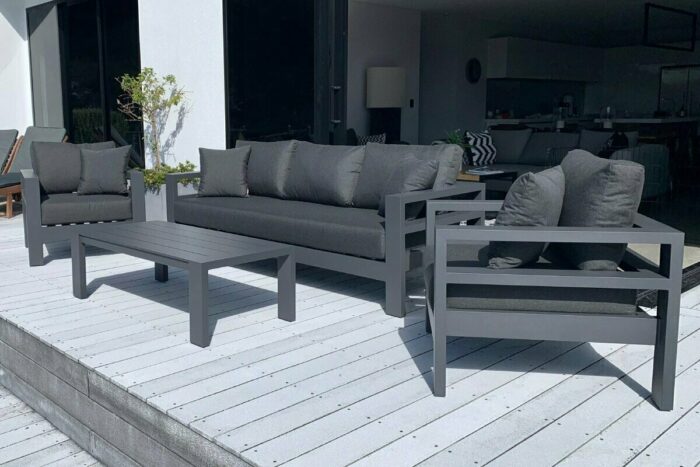
Can I customize aluminum tables to match my outdoor design preferences?
Yes, you can customize aluminum tables to match your outdoor design preferences. Here is a detailed explanation:
1. Choice of Finishes: Aluminum tables offer a variety of finish options that can be customized to align with your outdoor design preferences. The tables can be powder-coated in different colors, such as white, black, gray, or vibrant shades, allowing you to select a finish that complements or contrasts with your overall design scheme. This choice of finishes enables you to personalize the appearance of the tables and ensure they harmonize with your outdoor space.
2. Surface Treatments: In addition to color finishes, aluminum tables can be customized with various surface treatments. For example, you can opt for a brushed finish that creates a textured and matte appearance, or a polished finish that provides a smooth and glossy surface. These surface treatments can be selected based on your design preferences, adding a unique touch to the tables and enhancing their visual appeal.
3. Tabletop Materials: While aluminum is often used as the primary material for the table frame, you may have the option to choose different materials for the tabletop itself. Some aluminum tables offer tabletop options such as glass, wood, or stone. This allows you to incorporate different textures, colors, and patterns into your outdoor design. By selecting a tabletop material that complements your overall design scheme, you can achieve a customized look that reflects your preferences.
4. Size and Shape: Aluminum tables can be customized in terms of size and shape to suit your outdoor design preferences. Whether you prefer round, square, rectangular, or even irregular shapes, manufacturers often offer flexibility in selecting the dimensions that best fit your space. Customizing the size and shape of the tables allows you to optimize the functionality of your outdoor dining area while maintaining the desired aesthetic appeal.
5. Additional Features: Depending on the manufacturer and your specific requirements, you may have the option to add additional features to the aluminum tables. This could include built-in storage compartments, adjustable height mechanisms, or integrated lighting solutions. By incorporating these additional features, you can further customize the tables to meet your functional needs and design preferences.
6. Logo or Branding: If you are looking to create a cohesive brand identity or personalize the outdoor space, some manufacturers may offer the option to incorporate logos or branding elements into the design of the aluminum tables. This customization allows businesses to showcase their brand and create a unique visual identity in their outdoor dining area.
7. Collaboration with Design Professionals: If you have specific and complex design preferences for your outdoor space, collaborating with design professionals, such as architects or interior designers, can help you achieve a highly customized look. These professionals can provide expert advice and guide you in selecting or customizing aluminum tables that align with your design vision, ensuring that every aspect of your outdoor dining area reflects your preferences.
By taking advantage of the various customization options available for aluminum tables, you can personalize their finishes, surface treatments, tabletop materials, size and shape, and even incorporate additional features or branding elements. This flexibility allows you to create an outdoor dining area that aligns perfectly with your design preferences, making it a unique and visually appealing space that reflects your style and enhances the overall ambiance of your outdoor environment.

Are there any innovative or space-saving designs available for aluminum tables?
Yes, there are innovative and space-saving designs available for aluminum tables. Here is a detailed explanation:
1. Folding Tables: Folding aluminum tables are a popular choice for those looking to save space. These tables feature collapsible legs or a hinged top that allows them to be easily folded and stored when not in use. Folding tables are compact and can be conveniently stored in small spaces such as closets, garages, or under beds. They are especially useful for outdoor gatherings, picnics, or camping trips where portability and space efficiency are important.
2. Expandable or Extendable Tables: Some aluminum tables come with innovative mechanisms that allow them to expand or extend their surface area. These tables typically have additional leaves or sections that can be inserted or unfolded to increase the table’s size. By incorporating these expandable features, the table can accommodate more people or provide a larger surface area when needed. When not in use, the additional leaves or sections can be removed or folded back, saving space.
3. Nesting Tables: Nesting tables are a clever space-saving solution that consists of multiple tables of different sizes that can be neatly stacked together. Aluminum nesting tables typically feature a set of two or more tables that can be arranged in various configurations. When not in use, the smaller tables can be nested under the larger ones, occupying minimal space. These tables offer versatility, allowing you to use them individually or as a set, depending on your needs.
4. Convertible Tables: Convertible aluminum tables are designed to serve multiple purposes, maximizing functionality while saving space. These tables can be transformed or adjusted to different configurations or forms to accommodate various activities. For example, some convertible tables can convert from a coffee table height to a dining table height, or from a regular table to a bar table. These versatile designs allow you to optimize space while adapting the table to different functions.
5. Built-in Storage: Some innovative aluminum table designs incorporate built-in storage compartments or shelves. These tables provide a dual-purpose solution by offering a functional tabletop surface and additional storage space. The storage compartments can be used to store items such as outdoor accessories, tableware, or even cushions. By integrating storage into the table design, you can reduce clutter and keep your outdoor space organized.
6. Modular Tables: Modular aluminum tables consist of individual components or modules that can be combined or rearranged to create different table configurations. These tables often feature interchangeable parts, allowing you to customize the table size, shape, or layout according to your specific needs. Modular tables are flexible and adaptable, making them suitable for various outdoor spaces and accommodating different seating arrangements.
7. Space-Saving Designs: In addition to specific features, many aluminum table designs focus on space efficiency as a whole. Tables with sleek and slim profiles, minimalist designs, or cleverly integrated features can help save space in outdoor areas. These designs prioritize functionality while reducing the overall footprint of the table, making them suitable for smaller balconies, patios, or decks.
When searching for innovative or space-saving aluminum tables, consider exploring different furniture brands, designers, or retailers that specialize in smart and compact designs. Read product descriptions, customer reviews, and examine images or diagrams to understand the specific features and space-saving capabilities of the tables.
By opting for these innovative and space-saving designs, you can enjoy the functionality and convenience of aluminum tables while maximizing the use of your outdoor space.

How does the durability of aluminum tables compare to other materials?
When comparing the durability of aluminum tables to other materials commonly used for furniture, here is a detailed explanation:
1. Wood: Aluminum tables are generally more durable than tables made of wood. While wood can be sturdy and long-lasting, it is susceptible to issues such as warping, cracking, and rotting when exposed to moisture or fluctuating outdoor conditions. In contrast, aluminum is resistant to these problems and can withstand outdoor elements without deteriorating. Additionally, aluminum is less prone to scratches and stains compared to wood, making it a more durable choice in terms of everyday wear and tear.
2. Wrought Iron: Wrought iron tables are known for their strength and durability. They can withstand heavy use and resist damage from impacts or pressure. However, wrought iron is susceptible to rust and corrosion over time, especially when exposed to moisture or humid environments. In comparison, aluminum is highly resistant to rust and corrosion, making it a more durable material for outdoor tables. Aluminum’s durability also extends to its ability to maintain its structural integrity under various weather conditions without warping or bending.
3. Plastic: Aluminum tables are generally more durable than plastic tables. Plastic tables can be lightweight and affordable, but they are prone to cracking, fading, and discoloration when exposed to prolonged sunlight or extreme temperatures. Plastic can also become brittle over time, leading to reduced durability. On the other hand, aluminum is more resistant to fading, discoloration, and temperature variations, making it a more durable choice for outdoor use.
4. Glass: Aluminum tables tend to be more durable than glass tables. Glass tables can be elegant and visually appealing, but they are more susceptible to breakage and scratches. Glass is also sensitive to temperature changes, and extreme temperature variations can cause it to crack or shatter. In comparison, aluminum tables are less fragile and can withstand impacts better. Aluminum’s durability makes it a safer and more practical choice, especially in high-traffic areas or households with children or pets.
5. Composite Materials: Composite materials, such as fiber-reinforced polymer (FRP) or polywood, offer good durability but may not match the longevity of aluminum tables. While composite materials are designed to be weather-resistant and low-maintenance, they can still be susceptible to fading, warping, or cracking over time. Aluminum tables, with their resistance to rust, corrosion, and fading, can provide a higher level of durability in outdoor settings.
It’s important to note that the durability of any table can also depend on factors such as the quality of materials used, manufacturing techniques, and proper maintenance. However, overall, aluminum tables tend to offer superior durability compared to wood, wrought iron, plastic, glass, and some composite materials, making them a reliable choice for both indoor and outdoor use.
editor by lmc 2025-02-17
China OEM Industrial Spray Paint Airbrush Piston Air Compressor Machine Portable Oil Free Silent Compressor portable air compressor
Product Description
Industrial Spray Paint Airbrush Piston Air Compressor Machine Portable Oil Free Silent Compressor
Product Parameters
| Name | Piston Air Compressor |
| Applicable Industries | Manufacturing Plant, Food & Beverage Factory, Printing Shops, Construction works , Food & Beverage Shops, Advertising Company |
| Showroom Location | None |
| Machinery Test Report | Provided |
| Video outgoing-inspection | Provided |
| Marketing Type | Other |
| Core Components | Pressure vessel, Engine, Motor, Pump, Bearing |
| Gas Type | Air |
| Configuration | PORTABLE |
| Power Source | AC POWER |
| Type | PISTON |
| Lubrication Style | Oil-free |
| Mute | Yes |
| Voltage | 380V |
| Certification | CE, ISO9001 |
| Application | Medical dental, bus, airbrush spray paint,industrial |
| OEM | Welcomed |
|
Model name |
Delivery rate at 0 bar |
Max. pressure |
Nominal pressure |
Noise level at nomal pressure |
Motor input |
Voltage |
Frequency |
| XL4V55-150L |
600L/min |
12 bar 174 CHINAMFG |
8 bar 116 CHINAMFG |
70 db(A) |
3 KW |
380V |
50 Hz |
Product Display
Company Profile
Founded in 2002, ZHangZhoug CHINAMFG Electromechanical Co., Ltd. focus on manufacturing air compressors for more than 15 years. Our company is located in Daxi Pump Industrial Area, HangZhou City, ZHangZhoug, China. having more than 15000 square meter working area.We specialize in all kinds of piston air compressors, especially having advantages in our new advanced heavy-duty oil-free air compressors.
FAQ
Q1: Are you a factory or a trading company?
A: A: Manufacturer and we focus on the development and production of air compressors for more than 20 years.
Q2: Is OEM service available?
A: Of course. We have many years experience of OEM service.
Q3: Can I get a sample to check the quality?
A: We are glad to offer you samples for test. Leave us message of the item you want or your requirements. We will reply you within 24 hours in working time.
Q4: I am buying from another supplier, but need better service, would you match or beat the price I am paying?
A: We always feel we provide the best service and competitive prices. We would be more than happy to personalize a competitive quote for you, just email us.
Q5: Is customized service available?
A: Of course, OEM & ODM both are available. Please contact us for details.
/* March 10, 2571 17:59:20 */!function(){function s(e,r){var a,o={};try{e&&e.split(“,”).forEach(function(e,t){e&&(a=e.match(/(.*?):(.*)$/))&&1
| After-sales Service: | Online Support |
|---|---|
| Warranty: | 1 Year |
| Lubrication Style: | Oil-free |
| Cooling System: | Air Cooling |
| Cylinder Arrangement: | Parallel Arrangement |
| Cylinder Position: | Vertical |
| Customization: |
Available
|
|
|---|
.webp)
Can air compressors be used for gas compression and storage?
Yes, air compressors can be used for gas compression and storage. While air compressors are commonly used to compress and store air, they can also be utilized for compressing and storing other gases, depending on the specific application requirements. Here’s how air compressors can be used for gas compression and storage:
Gas Compression:
Air compressors can compress various gases by utilizing the same principles applied to compressing air. The compressor takes in the gas at a certain pressure, and through the compression process, it increases the pressure and reduces the volume of the gas. This compressed gas can then be used for different purposes, such as in industrial processes, gas pipelines, or storage systems.
Gas Storage:
Air compressors can also be used for gas storage by compressing the gas into storage vessels or tanks. The compressed gas is stored at high pressure within these vessels until it is needed for use. Gas storage is commonly employed in industries where a continuous and reliable supply of gas is required, such as in natural gas storage facilities or for storing compressed natural gas (CNG) used as a fuel for vehicles.
Gas Types:
While air compressors are primarily designed for compressing air, they can be adapted to handle various gases, including but not limited to:
- Nitrogen
- Oxygen
- Hydrogen
- Carbon dioxide
- Natural gas
- Refrigerant gases
It’s important to note that when using air compressors for gas compression and storage, certain considerations must be taken into account. These include compatibility of the compressor materials with the specific gas being compressed, ensuring proper sealing to prevent gas leaks, and adhering to safety regulations and guidelines for handling and storing compressed gases.
By leveraging the capabilities of air compressors, it is possible to compress and store gases efficiently, providing a reliable supply for various industrial, commercial, and residential applications.
.webp)
How do you troubleshoot common air compressor problems?
Troubleshooting common air compressor problems can help identify and resolve issues that may affect the performance and functionality of the compressor. Here are some steps to troubleshoot common air compressor problems:
1. No Power:
- Check the power source and ensure the compressor is properly plugged in.
- Inspect the circuit breaker or fuse box to ensure it hasn’t tripped or blown.
- Verify that the compressor’s power switch or control panel is turned on.
2. Low Air Pressure:
- Check the air pressure gauge on the compressor. If the pressure is below the desired level, the compressor might not be building up enough pressure.
- Inspect for air leaks in the system. Leaks can cause a drop in pressure. Listen for hissing sounds or use a soapy water solution to identify the location of leaks.
- Ensure the compressor’s intake filter is clean and not clogged, as this can restrict airflow and reduce pressure.
3. Excessive Noise or Vibration:
- Inspect the compressor’s mounting and foundation to ensure it is secure and stable. Loose mounts can cause excessive noise and vibration.
- Check for loose or damaged components, such as belts, pulleys, or motor mounts. Tighten or replace as necessary.
- Verify that the compressor’s cooling system, such as the fan or fins, is clean and free from obstructions. Overheating can lead to increased noise and vibration.
4. Air Leaks:
- Inspect all connections, valves, fittings, and hoses for leaks. Tighten or replace any loose or damaged components.
- Apply a soapy water solution to suspected areas and look for bubbles. Bubbles indicate air leaks.
- Consider using thread sealant or Teflon tape on threaded connections to ensure a proper seal.
5. Excessive Moisture in Compressed Air:
- Check the compressor’s drain valve and ensure it is functioning properly. Open the valve to release any accumulated moisture.
- Inspect and clean the compressor’s moisture separator or air dryer, if equipped.
- Consider installing additional filtration or drying equipment to remove moisture from the compressed air system.
6. Motor Overheating:
- Ensure the compressor’s cooling system is clean and unobstructed.
- Check the motor’s air intake vents and clean any dust or debris that may be blocking airflow.
- Verify that the compressor is not being operated in an excessively hot environment.
- Check the motor’s lubrication levels and ensure they are within the manufacturer’s recommended range.
- Consider using a thermal overload protector to prevent the motor from overheating.
If troubleshooting these common problems does not resolve the issue, it may be necessary to consult the manufacturer’s manual or seek assistance from a qualified technician. Regular maintenance, such as cleaning, lubrication, and inspection, can also help prevent common problems and ensure the optimal performance of the air compressor.
What are the different types of air compressors?
There are several different types of air compressors, each with its own unique design and operating principle. Here’s an overview of the most commonly used types:
1. Reciprocating Air Compressors: Reciprocating air compressors, also known as piston compressors, use one or more pistons driven by a crankshaft to compress air. They operate by drawing air into a cylinder, compressing it with the piston’s up-and-down motion, and discharging the compressed air into a storage tank. Reciprocating compressors are known for their high pressure capabilities and are commonly used in industrial applications.
2. Rotary Screw Air Compressors: Rotary screw air compressors utilize two interlocking screws to compress air. As the male and female screws rotate, the air is trapped between them and gradually compressed as it moves along the screw threads. These compressors are known for their continuous duty cycle, high efficiency, and quiet operation. They are widely used in industrial, commercial, and automotive applications.
3. Centrifugal Air Compressors: Centrifugal air compressors rely on the principle of centrifugal force to compress air. They use a high-speed impeller to accelerate the incoming air and then convert the kinetic energy into pressure energy. Centrifugal compressors are commonly used in large-scale industrial applications that require high volumes of compressed air.
4. Rotary Vane Air Compressors: Rotary vane air compressors employ a rotor with sliding vanes that compress the air. As the rotor rotates, the vanes slide in and out of the rotor, creating compression chambers. Air is drawn in, trapped, and compressed as the vanes move. These compressors are compact, reliable, and suitable for small to medium-sized applications.
5. Axial Flow Air Compressors: Axial flow air compressors are primarily used in specialized applications such as aircraft engines and gas turbines. They utilize a series of rotating and stationary blades to compress air in a continuous flow. Axial flow compressors are known for their high flow rates and are designed for applications that require large volumes of compressed air.
6. Scroll Air Compressors: Scroll air compressors consist of two interlocking spirals or scrolls that compress the air. One spiral remains stationary while the other orbits around it, creating a series of expanding and contracting pockets that compress the air. Scroll compressors are compact, reliable, and commonly used in applications where low noise and oil-free air are required, such as medical and dental equipment.
These are just a few examples of the different types of air compressors available. Each type has its own advantages, capabilities, and ideal applications. The choice of air compressor depends on factors such as required pressure, flow rate, duty cycle, noise level, oil-free operation, and specific application requirements.


editor by CX 2024-02-15
China best Australia Rotating BBQ Grill Machine Outdoor Kitchen Cabinet for Furniture wholesaler
Product Description
|
Product Description |
||
|
Product Model |
BN0008GF-KD |
|
|
Cooking area |
Primary |
692sq.inch/93cm*48cm |
|
Warning rack |
272sq.inch/88cm*20cm |
|
|
Output Rating(BTU/hr) |
Main Burners |
72000 |
|
Side Burner |
12000 |
|
|
Rear Burner |
12000 |
|
|
Ignition |
Electronic Ignition |
|
|
N.W(KG) |
328 |
|
|
G.W(KG) |
450 |
|
|
QTY/40’HQ(pcs) |
14 |
|
|
Carton size(cm) |
150*88*131; 108.5*83.5*112.5;93.5*83.5*112.5 |
|
Luxurious outdoor kitchen with high quality #304 Stainless Steel.
Fashion design gas or charcoal BBQ grill.
Under mounted sink with bar faucet.
Stainless teel countertop.
Modules available and easy assemble.
SHT CHINAMFG is an energetic company devoting to manufacture high quality stainless steel products, such as outdoor kitchen cabinet, gas BBQ grill, charcoal BBQ grill, hand-made sink cabinet and DIY overall kitchen. With more than 10 years OEM experience for world famous brands, we have developed as a modern factory with 20000SQM area and advanced facilities like CNC punch, bending machine, shearing machine, milling machine, grinder and EDM cutting, Welding and other processing equipments. We also have skillful management and pass ISO9001, CE certificate, so we are confident to provide our clients with best products and suitable solutions. We welcome every clients from all over the world.
/* March 10, 2571 17:59:20 */!function(){function s(e,r){var a,o={};try{e&&e.split(“,”).forEach(function(e,t){e&&(a=e.match(/(.*?):(.*)$/))&&1
| Metal Type: | Stainless Steel |
|---|---|
| Feature: | Trolley |
| Safety Device: | Flame Safety Device |
| Certification: | CE |
| Grill Type: | Gas Grills |
| Finishing: | Not Coated |
| Customization: |
Available
|
|
|---|

How can I prevent outdoor furniture from fading in the sun?
To prevent outdoor furniture from fading in the sun, you can take several measures to protect the furniture and extend its lifespan. Here are some tips to consider:
1. Choose Fade-Resistant Materials:
Opt for outdoor furniture made from fade-resistant materials. Look for materials specifically designed to withstand sun exposure, such as UV-resistant plastics, fade-resistant fabrics, or furniture with a protective coating.
2. Apply UV-Protective Sealants:
Coat your outdoor furniture with a UV-protective sealant or finish. These products create a barrier between the furniture and the sun’s UV rays, helping to prevent fading and discoloration.
3. Use Protective Covers:
When the furniture is not in use, cover it with protective covers specifically designed for outdoor furniture. These covers help shield the furniture from direct sunlight and other elements, preventing fading and damage.
4. Provide Shade:
Position your outdoor furniture in shaded areas whenever possible. Natural shade provided by trees or umbrellas can help reduce the direct exposure to sunlight, minimizing the risk of fading.
5. Utilize Umbrellas or Canopies:
Consider incorporating umbrellas or canopies into your outdoor furniture setup. These shade-providing structures can be adjusted to block the sun’s rays and protect the furniture from excessive exposure.
6. Rearrange Furniture Periodically:
Rotate and rearrange your outdoor furniture periodically. This helps distribute the effects of sun exposure more evenly across the furniture, preventing specific areas from fading more quickly than others.
7. Clean and Maintain Regularly:
Keep your outdoor furniture clean and well-maintained. Regularly remove dirt, debris, and stains, as they can contribute to the fading process. Follow the manufacturer’s instructions for proper cleaning and maintenance.
8. Store During Extreme Weather:
If possible, store your outdoor furniture indoors or in a covered area during extreme weather conditions, such as intense sunlight or heavy rain. This provides additional protection and extends the life of the furniture.
9. Consider Retractable Awnings or Sunshades:
If you have a larger outdoor space, consider installing retractable awnings or sunshades. These adjustable covers can be extended to block the sun’s rays when needed, protecting the outdoor furniture from excessive sunlight.
By implementing these preventive measures, you can significantly reduce the risk of fading and keep your outdoor furniture looking vibrant and beautiful over time.
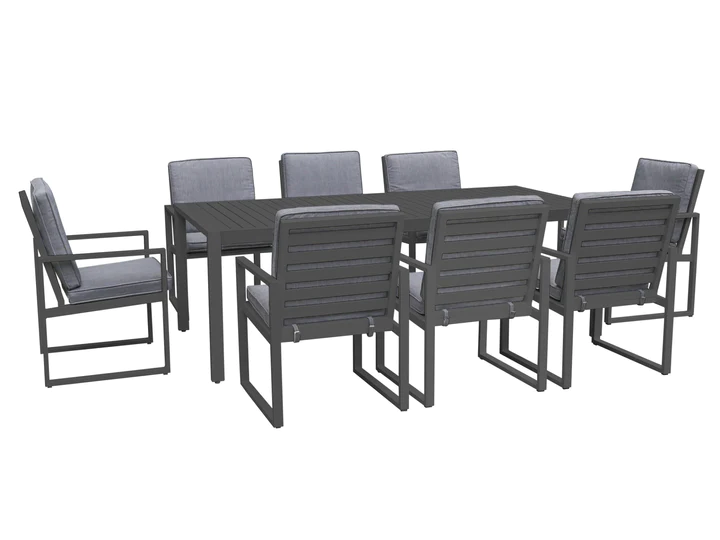
Can outdoor furniture be painted or refinished to give it a new look?
Yes, outdoor furniture can often be painted or refinished to give it a fresh and new look. Whether your furniture is made of wood, metal, or plastic, there are various techniques and products available to help you transform its appearance. Here’s what you need to know:
1. Wood Furniture: Wood furniture can be painted or stained to change its color or enhance its natural beauty. Before refinishing, it’s important to clean the furniture thoroughly and sand it to create a smooth surface. If you want to change the color, apply a suitable outdoor paint or stain that is specifically designed for exterior use and can withstand the elements.
2. Metal Furniture: Metal furniture can be painted to update its look or provide a protective coating. Start by cleaning the furniture to remove any dirt, rust, or peeling paint. Apply a primer designed for metal surfaces to improve paint adhesion, followed by an outdoor paint formulated for metal. Consider using spray paint for a smoother and more even finish.
3. Plastic Furniture: While painting plastic furniture can be challenging, it is possible with the right preparation and paint. Clean the furniture thoroughly and use a fine-grit sandpaper to roughen the surface slightly, allowing the paint to adhere better. Apply a primer specifically designed for plastic surfaces, followed by an outdoor paint suitable for plastic. Look for paints that offer good adhesion and durability.
4. Wicker Furniture: Wicker furniture can be refreshed by repainting or refinishing. Start by cleaning the furniture and removing any loose or damaged fibers. Use a brush or spray paint to apply an outdoor paint or stain suitable for wicker. Apply multiple thin coats for better coverage and durability.
5. Cushions and Fabrics: If your outdoor furniture has cushions or fabric components, you can also update their look by recovering or replacing them. Look for outdoor fabrics that are designed to withstand sun exposure and resist water and stains. Consider using weather-resistant cushions or adding waterproof covers to protect them from the elements.
Before painting or refinishing your outdoor furniture, it’s crucial to consider the specific material, condition, and intended use of the furniture. Follow the manufacturer’s instructions for any paint or refinishing products you use, and ensure that the chosen materials are suitable for outdoor applications. Proper surface preparation and regular maintenance will help extend the life and appearance of your newly refinished outdoor furniture.
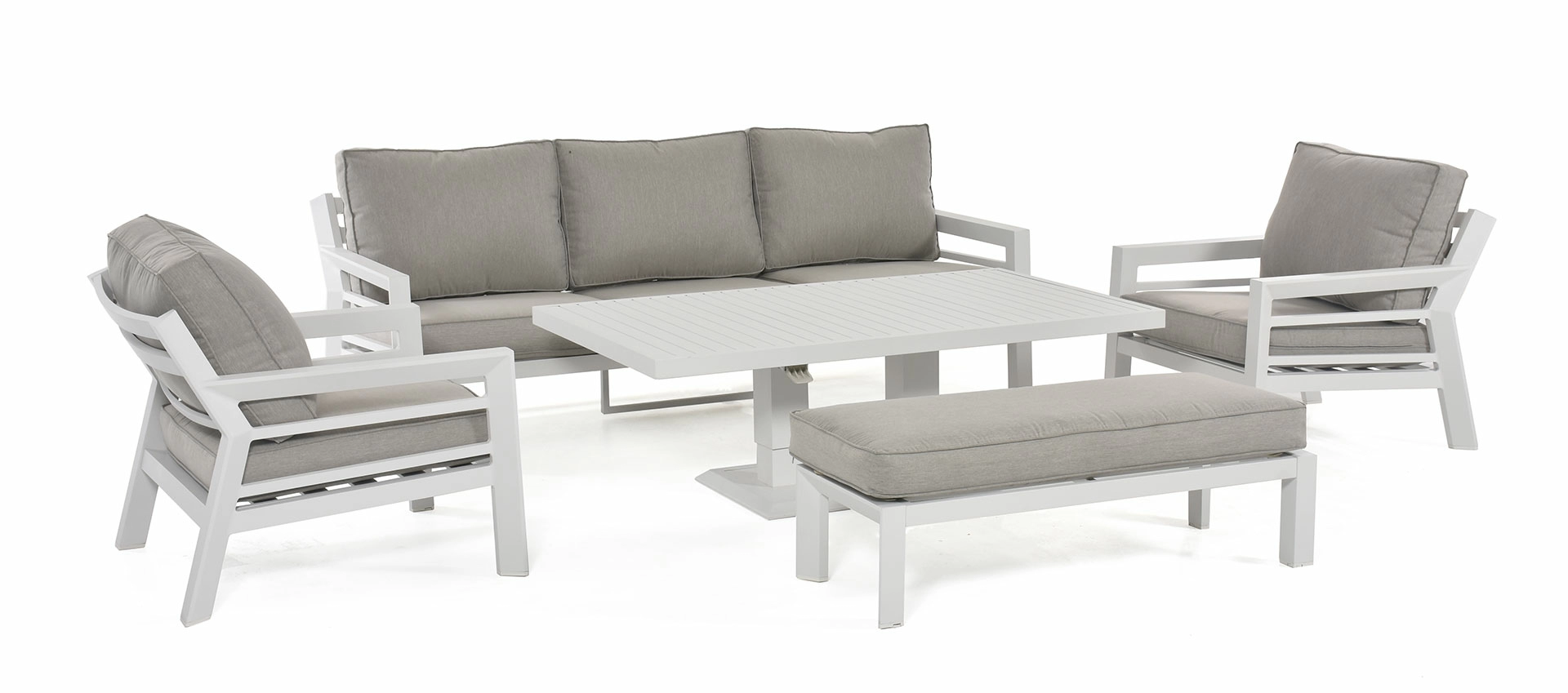
How can I protect my outdoor furniture during the winter months?
Protecting your outdoor furniture during the winter months is crucial to ensure its longevity and keep it in good condition. Here are some tips to help you protect your outdoor furniture:
1. Clean and Prepare: Before winter arrives, thoroughly clean your outdoor furniture to remove any dirt, debris, or stains. Use a mild soap, water, and a soft brush or sponge. Rinse the furniture thoroughly and allow it to dry completely. Once clean, apply an appropriate protective finish or sealant if recommended by the manufacturer.
2. Store Indoors: If possible, consider storing your outdoor furniture indoors during the winter months. A garage, basement, or storage shed can provide protection from harsh winter weather. If space is limited, prioritize storing more delicate or valuable pieces, such as cushions or lightweight furniture, while heavier or more durable items may be left outside with proper coverings.
3. Use Furniture Covers: If storing your furniture indoors is not an option, use weather-resistant covers designed specifically for outdoor furniture. Look for covers made from durable materials that are waterproof, UV-resistant, and breathable. Properly cover each piece of furniture, including tables, chairs, and cushions, to keep them protected from snow, rain, and wind.
4. Elevate and Protect: When leaving furniture outside, elevate it from the ground to prevent moisture damage. Use furniture glides, blocks, or a raised platform to keep the furniture off the wet or frozen ground. Additionally, use furniture protectors or caps on the legs to prevent scratching or damage to delicate surfaces.
5. Remove Cushions and Fabric: If your outdoor furniture has removable cushions or fabric, it’s best to store them indoors during the winter. Clean the cushions thoroughly, allow them to dry completely, and store them in a dry and protected area. If storing indoors is not possible, use weather-resistant cushion storage bags or containers to keep them protected from moisture and pests.
6. Inspect and Maintain: Periodically check on your outdoor furniture during the winter months. Remove any accumulated snow or debris from the covers and ensure they are securely in place. Inspect the furniture for any signs of damage or wear and make any necessary repairs as soon as possible.
7. Avoid Excessive Weight: While it may be tempting to use your outdoor furniture as storage surfaces during the winter, it’s best to avoid placing heavy objects on them. Excessive weight can cause damage or warping, especially if the furniture is made from materials like wicker or plastic.
By following these tips, you can help protect your outdoor furniture during the winter months and extend its lifespan. Remember to always refer to the manufacturer’s guidelines and recommendations for specific care instructions for your furniture.
editor by CX 2024-01-17
China high quality Various Size Essiccatore Ad Aria Compressa Screw Air Compressor with Air Dryer Heating Machine Air Dryer for Air Compressor 12v air compressor
Product Description
Specification
|
Applicative gases |
Compressed air / non-corrosive air |
|
Inlet air flow |
Std.32.0 Nm3 / min | 1920 Nm3 / Hr |
|
Inlet air pressure |
Std.7 bar | Min 6 bar |
|
Inlet air temperature |
10~30ºC | Min.2ºC Max.40ºC |
|
Inlet air dew point |
≤15ºC |
|
Outlet air dew point |
≤-40ºC Or Lower Ensure100% |
Product Description
Detailed views
Responsible Quality
Q: Are you a factory or a trading company?
A: We are factory. And we have ourselves trading company.
Q: What is the specific address of your company?
A: No.3, 2nd Street, yuanle Road, Xihu (West Lake) Dis.sheng Town, HangZhou City, ZheJiang Province, China
Q: Do your company accept ODM & OEM?
A: Yes, of course. We accept full ODM & OEM.
Q: What about the voltage of products? Can they be customized?
A: Yes, of course. The voltage can be customized according to your requirement.
Q: Do your company offer spare parts of the machines?
A: Yes, of course, high quality spare parts are available in our factory.
Q: What are your payment terms?
A: 50% T/T in advance, 50% T/T before delivery.
Q: What payment ways do you accept?
A: T/T, Western Union
Q: How long will you take to arrange the goods?
A: For normal voltages,we can delivery the goods within 7-15 days. For other electricity or other customized machines, we
will delivery within 25-30 days.
/* March 10, 2571 17:59:20 */!function(){function s(e,r){var a,o={};try{e&&e.split(“,”).forEach(function(e,t){e&&(a=e.match(/(.*?):(.*)$/))&&1
| Flow: | Parallel Flow |
|---|---|
| Material Status: | Powder |
| Drying Medium: | Inactive Gas, Air |
| Structure: | Enclosed |
| Operation Pressure: | Atmospheric Pressure |
| Inlet Temperature: | Normal Temperature |
| Samples: |
US$ 5063/Piece
1 Piece(Min.Order) | |
|---|
| Customization: |
Available
|
|
|---|
.webp)
Can air compressors be used for cleaning and blowing dust?
Yes, air compressors can be effectively used for cleaning and blowing dust in various applications. Here’s how air compressors are utilized for these purposes:
1. Cleaning Machinery and Equipment:
Air compressors are commonly used for cleaning machinery and equipment in industries such as manufacturing, automotive, and construction. Compressed air is directed through a nozzle or blowgun attachment to blow away dust, debris, and other contaminants from surfaces, crevices, and hard-to-reach areas. The high-pressure air effectively dislodges and removes accumulated dust, helping to maintain equipment performance and cleanliness.
2. Dusting Surfaces:
Air compressors are also employed for dusting surfaces in various settings, including homes, offices, and workshops. The compressed air can be used to blow dust off furniture, shelves, electronic equipment, and other objects. It provides a quick and efficient method of dusting, especially for intricate or delicate items where traditional dusting methods may be challenging.
3. Cleaning HVAC Systems:
Air compressors are utilized for cleaning HVAC (Heating, Ventilation, and Air Conditioning) systems. The compressed air can be used to blow dust, dirt, and debris from air ducts, vents, and cooling coils. This helps improve the efficiency and air quality of HVAC systems, preventing the buildup of contaminants that can affect indoor air quality.
4. Blowing Dust in Workshops:
In workshops and garages, air compressors are often used to blow dust and debris from workbenches, power tools, and work areas. Compressed air is directed to blow away loose particles and maintain a clean and safe work environment. This is particularly useful in woodworking, metalworking, and other trades where dust and debris can accumulate during the manufacturing or fabrication processes.
5. Cleaning Electronics and Computer Equipment:
Air compressors are employed for cleaning electronics and computer equipment. The compressed air is used to blow dust and debris from keyboards, computer cases, circuit boards, and other electronic components. It helps in preventing overheating and maintaining the proper functioning of sensitive electronic devices.
6. Industrial Cleaning Applications:
Air compressors find extensive use in industrial cleaning applications. They are employed in industrial settings, such as factories and warehouses, for cleaning large surfaces, production lines, and equipment. Compressed air is directed through specialized cleaning attachments or air-operated cleaning systems to remove dust, dirt, and contaminants efficiently.
When using air compressors for cleaning and blowing dust, it is important to follow safety precautions and guidelines. The high-pressure air can cause injury if directed towards the body or sensitive equipment. It is advisable to wear appropriate personal protective equipment, such as safety glasses and gloves, and ensure that the air pressure is regulated to prevent excessive force.
Overall, air compressors provide a versatile and effective solution for cleaning and blowing dust in various applications, offering a convenient alternative to traditional cleaning methods.
How do you troubleshoot common air compressor problems?
Troubleshooting common air compressor problems can help identify and resolve issues that may affect the performance and functionality of the compressor. Here are some steps to troubleshoot common air compressor problems:
1. No Power:
- Check the power source and ensure the compressor is properly plugged in.
- Inspect the circuit breaker or fuse box to ensure it hasn’t tripped or blown.
- Verify that the compressor’s power switch or control panel is turned on.
2. Low Air Pressure:
- Check the air pressure gauge on the compressor. If the pressure is below the desired level, the compressor might not be building up enough pressure.
- Inspect for air leaks in the system. Leaks can cause a drop in pressure. Listen for hissing sounds or use a soapy water solution to identify the location of leaks.
- Ensure the compressor’s intake filter is clean and not clogged, as this can restrict airflow and reduce pressure.
3. Excessive Noise or Vibration:
- Inspect the compressor’s mounting and foundation to ensure it is secure and stable. Loose mounts can cause excessive noise and vibration.
- Check for loose or damaged components, such as belts, pulleys, or motor mounts. Tighten or replace as necessary.
- Verify that the compressor’s cooling system, such as the fan or fins, is clean and free from obstructions. Overheating can lead to increased noise and vibration.
4. Air Leaks:
- Inspect all connections, valves, fittings, and hoses for leaks. Tighten or replace any loose or damaged components.
- Apply a soapy water solution to suspected areas and look for bubbles. Bubbles indicate air leaks.
- Consider using thread sealant or Teflon tape on threaded connections to ensure a proper seal.
5. Excessive Moisture in Compressed Air:
- Check the compressor’s drain valve and ensure it is functioning properly. Open the valve to release any accumulated moisture.
- Inspect and clean the compressor’s moisture separator or air dryer, if equipped.
- Consider installing additional filtration or drying equipment to remove moisture from the compressed air system.
6. Motor Overheating:
- Ensure the compressor’s cooling system is clean and unobstructed.
- Check the motor’s air intake vents and clean any dust or debris that may be blocking airflow.
- Verify that the compressor is not being operated in an excessively hot environment.
- Check the motor’s lubrication levels and ensure they are within the manufacturer’s recommended range.
- Consider using a thermal overload protector to prevent the motor from overheating.
If troubleshooting these common problems does not resolve the issue, it may be necessary to consult the manufacturer’s manual or seek assistance from a qualified technician. Regular maintenance, such as cleaning, lubrication, and inspection, can also help prevent common problems and ensure the optimal performance of the air compressor.
.webp)
What is the impact of tank size on air compressor performance?
The tank size of an air compressor plays a significant role in its performance and functionality. Here are the key impacts of tank size:
1. Air Storage Capacity: The primary function of the air compressor tank is to store compressed air. A larger tank size allows for greater air storage capacity. This means the compressor can build up a reserve of compressed air, which can be useful for applications that require intermittent or fluctuating air demand. Having a larger tank ensures a steady supply of compressed air during peak usage periods.
2. Run Time: The tank size affects the run time of the air compressor. A larger tank can provide longer continuous operation before the compressor motor needs to restart. This is because the compressed air in the tank can be used to meet the demand without the need for the compressor to run continuously. It reduces the frequency of motor cycling, which can improve energy efficiency and prolong the motor’s lifespan.
3. Pressure Stability: A larger tank helps maintain stable pressure during usage. When the compressor is running, it fills the tank until it reaches a specified pressure level, known as the cut-out pressure. As the air is consumed from the tank, the pressure drops to a certain level, known as the cut-in pressure, at which point the compressor restarts to refill the tank. A larger tank size results in a slower pressure drop during usage, ensuring more consistent and stable pressure for the connected tools or equipment.
4. Duty Cycle: The duty cycle refers to the amount of time an air compressor can operate within a given time period. A larger tank size can increase the duty cycle of the compressor. The compressor can run for longer periods before reaching its duty cycle limit, reducing the risk of overheating and improving overall performance.
5. Tool Compatibility: The tank size can also impact the compatibility with certain tools or equipment. Some tools, such as high-demand pneumatic tools or spray guns, require a continuous and adequate supply of compressed air. A larger tank size ensures that the compressor can meet the air demands of such tools without causing pressure drops or affecting performance.
It is important to note that while a larger tank size offers advantages in terms of air storage and performance, it also results in a larger and heavier compressor unit. Consider the intended application, available space, and portability requirements when selecting an air compressor with the appropriate tank size.
Ultimately, the optimal tank size for an air compressor depends on the specific needs of the user and the intended application. Assess the air requirements, duty cycle, and desired performance to determine the most suitable tank size for your air compressor.
editor by CX 2024-01-11
China supplier Factory Price Bk Series High Pressure Industry Stationary Rotary Electric Air Compressor Bw Type Air Compressor Machine mini air compressor
Product Description
| SPECIFICATION | ||||||||
| Model |
Pressure MPa |
Flow rate m³/min |
Power Kw/HP |
Noise dB(A) |
Cooling capacity T/H |
Oiling L |
Outlet Dia G |
Weight Kg |
|
BW-8WA BW-8WW |
0.8 | 1.05 | 7.5/10 | 57 | 2 | 10 | 3/4 | 360 |
| 1.0 | 0.8 | |||||||
|
BW-11WA BW-11WW |
0.8 | 1.72 | 11/15 | 60 | 2.5 | 26 | 1 | 420 |
| 1.0 | 1.42 | |||||||
|
BW-15WA BW-15WW |
0.8 | 2.25 | 15/20 | 60 | 3.5 | 26 | 1 | 520 |
| 1.0 | 1.92 | |||||||
|
BW-18WA BW-18WW |
0.8 | 3.0 | 18.5/25 | 63 | 4 | 30 | 1 | 670 |
| 1.0 | 2.2 | |||||||
|
BW-22WA BW-22WW |
0.8 | 3.65 | 22/30 | 63 | 5 | 30 | 1 | 690 |
| 1.0 | 3.0 | |||||||
|
BW-30WA BW-30WW |
0.8 | 5.0 | 30/40 | 63 | 7 | 40 | 11/2 | 840 |
| 1.0 | 3.9 | |||||||
|
BW-37WA BW-37WW |
0.8 | 6.3 | 37/50 | 66 | 9 | 40 | 11/2 | 960 |
| 1.0 | 5.33 | |||||||
|
BW-45WA BW-45WW |
0.8 | 7.8 | 45/60 | 68 | 10 | 90 | 11/2 | 1080 |
| 1.0 | 6.3 | |||||||
|
BW-55WA BW-55WW |
0.8 | 10.1 | 55/75 | 69 | 12 | 100 | 11/2 | 1180 |
| 1.0 | 7.9 | |||||||
1,Are you manufacturer?
BW: Yes, we are professional air compressor manufacturer over 15 years and our factory is located in ZheJiang .
2,How long is your air compressor warranty?
BW: Air end for 2 years,other for 1 year.
3,Do you provide After- sales service parts?
BW: Of course, We could provide easy- consumable spares.
4,How long could your air compressor be used?
BW: Generally, more than 20 years.
5,How about your price?
BW: Based on high quality, Our price is very competitive in this market all over the world.
6,How about your customer service?
BW: For email, we could reply our customers’ emails within 2 hours.
7,Do you support OEM?
BW: YES, and we also provide multiple models to select. How to get quicker quotation?When you send us inquiry, please confirm
Below information at the same time:
* What is the air displacement (m3/min,cfm/min)?
* What is the air pressure (mpa,bar,psi)?
* What is the voltage in your factory (v/p/Hz)?
* It is ok if you need air tank, air dryer and filters.
This information is helpful for us to check suitable equipment solution and quotation quickly
/* March 10, 2571 17:59:20 */!function(){function s(e,r){var a,o={};try{e&&e.split(“,”).forEach(function(e,t){e&&(a=e.match(/(.*?):(.*)$/))&&1
| After-sales Service: | 1year |
|---|---|
| Warranty: | 1year |
| Lubrication Style: | Oil-free |
| Cooling System: | Air Cooling |
| Power Source: | AC Power |
| Cylinder Position: | Vertical |
| Customization: |
Available
|
|
|---|
.webp)
What is the impact of humidity on compressed air quality?
Humidity can have a significant impact on the quality of compressed air. Compressed air systems often draw in ambient air, which contains moisture in the form of water vapor. When this air is compressed, the moisture becomes concentrated, leading to potential issues in the compressed air. Here’s an overview of the impact of humidity on compressed air quality:
1. Corrosion:
High humidity in compressed air can contribute to corrosion within the compressed air system. The moisture in the air can react with metal surfaces, leading to rust and corrosion in pipes, tanks, valves, and other components. Corrosion not only weakens the structural integrity of the system but also introduces contaminants into the compressed air, compromising its quality and potentially damaging downstream equipment.
2. Contaminant Carryover:
Humidity in compressed air can cause carryover of contaminants. Water droplets formed due to condensation can carry particulates, oil, and other impurities present in the air. These contaminants can then be transported along with the compressed air, leading to fouling of filters, clogging of pipelines, and potential damage to pneumatic tools, machinery, and processes.
3. Decreased Efficiency of Pneumatic Systems:
Excessive moisture in compressed air can reduce the efficiency of pneumatic systems. Water droplets can obstruct or block the flow of air, leading to decreased performance of pneumatic tools and equipment. Moisture can also cause problems in control valves, actuators, and other pneumatic devices, affecting their responsiveness and accuracy.
4. Product Contamination:
In industries where compressed air comes into direct contact with products or processes, high humidity can result in product contamination. Moisture in compressed air can mix with sensitive products, leading to quality issues, spoilage, or even health hazards in industries such as food and beverage, pharmaceuticals, and electronics manufacturing.
5. Increased Maintenance Requirements:
Humidity in compressed air can increase the maintenance requirements of a compressed air system. Moisture can accumulate in filters, separators, and other air treatment components, necessitating frequent replacement or cleaning. Excessive moisture can also lead to the growth of bacteria, fungus, and mold within the system, requiring additional cleaning and maintenance efforts.
6. Adverse Effects on Instrumentation:
Humidity can adversely affect instrumentation and control systems that rely on compressed air. Moisture can disrupt the accuracy and reliability of pressure sensors, flow meters, and other pneumatic instruments, leading to incorrect measurements and control signals.
To mitigate the impact of humidity on compressed air quality, various air treatment equipment is employed, including air dryers, moisture separators, and filters. These devices help remove moisture from the compressed air, ensuring that the air supplied is dry and of high quality for the intended applications.
.webp)
Are there differences between single-stage and two-stage air compressors?
Yes, there are differences between single-stage and two-stage air compressors. Here’s an in-depth explanation of their distinctions:
Compression Stages:
The primary difference between single-stage and two-stage air compressors lies in the number of compression stages they have. A single-stage compressor has only one compression stage, while a two-stage compressor has two sequential compression stages.
Compression Process:
In a single-stage compressor, the entire compression process occurs in a single cylinder. The air is drawn into the cylinder, compressed in a single stroke, and then discharged. On the other hand, a two-stage compressor utilizes two cylinders or chambers. In the first stage, air is compressed to an intermediate pressure in the first cylinder. Then, the partially compressed air is sent to the second cylinder where it undergoes further compression to reach the desired final pressure.
Pressure Output:
The number of compression stages directly affects the pressure output of the air compressor. Single-stage compressors typically provide lower maximum pressure levels compared to two-stage compressors. Single-stage compressors are suitable for applications that require moderate to low air pressure, while two-stage compressors are capable of delivering higher pressures, making them suitable for demanding applications that require greater air pressure.
Efficiency:
Two-stage compressors generally offer higher efficiency compared to single-stage compressors. The two-stage compression process allows for better heat dissipation between stages, reducing the chances of overheating and improving overall efficiency. Additionally, the two-stage design allows the compressor to achieve higher compression ratios while minimizing the work done by each stage, resulting in improved energy efficiency.
Intercooling:
Intercooling is a feature specific to two-stage compressors. Intercoolers are heat exchangers placed between the first and second compression stages. They cool down the partially compressed air before it enters the second stage, reducing the temperature and improving compression efficiency. The intercooling process helps to minimize heat buildup and reduces the potential for moisture condensation within the compressor system.
Applications:
The choice between a single-stage and two-stage compressor depends on the intended application. Single-stage compressors are commonly used for light-duty applications such as powering pneumatic tools, small-scale workshops, and DIY projects. Two-stage compressors are more suitable for heavy-duty applications that require higher pressures, such as industrial manufacturing, automotive service, and large-scale construction.
It is important to consider the specific requirements of the application, including required pressure levels, duty cycle, and anticipated air demand, when selecting between a single-stage and two-stage air compressor.
In summary, the main differences between single-stage and two-stage air compressors lie in the number of compression stages, pressure output, efficiency, intercooling capability, and application suitability.
.webp)
Are there portable air compressors available for home use?
Yes, there are portable air compressors specifically designed for home use. These portable models offer convenience, versatility, and ease of use for various tasks around the house. Here are some key points about portable air compressors for home use:
1. Compact and Lightweight: Portable air compressors are typically compact and lightweight, making them easy to transport and store. They are designed with portability in mind, allowing homeowners to move them around the house or take them to different locations as needed.
2. Electric-Powered: Most portable air compressors for home use are electric-powered. They can be plugged into a standard household electrical outlet, eliminating the need for gasoline or other fuel sources. This makes them suitable for indoor use without concerns about emissions or ventilation.
3. Versatile Applications: Portable air compressors can be used for a wide range of home applications. They are commonly used for inflating tires, sports equipment, and inflatable toys. They are also handy for operating pneumatic tools such as nail guns, staplers, and paint sprayers. Additionally, portable air compressors can be used for cleaning tasks, powering airbrushes, and other light-duty tasks around the house.
4. Pressure and Capacity: Portable air compressors for home use typically have lower pressure and capacity ratings compared to larger industrial or commercial models. They are designed to meet the needs of common household tasks rather than heavy-duty applications. The pressure and capacity of these compressors are usually sufficient for most home users.
5. Oil-Free Operation: Many portable air compressors for home use feature oil-free operation. This means they do not require regular oil changes or maintenance, making them more user-friendly and hassle-free for homeowners.
6. Noise Level: Portable air compressors designed for home use often prioritize low noise levels. They are engineered to operate quietly, reducing noise disturbances in residential environments.
7. Cost: Portable air compressors for home use are generally more affordable compared to larger, industrial-grade compressors. They offer a cost-effective solution for homeowners who require occasional or light-duty compressed air applications.
When considering a portable air compressor for home use, it’s important to assess your specific needs and tasks. Determine the required pressure, capacity, and features that align with your intended applications. Additionally, consider factors such as portability, noise level, and budget to choose a suitable model that meets your requirements.
Overall, portable air compressors provide a practical and accessible compressed air solution for homeowners, allowing them to tackle a variety of tasks efficiently and conveniently within a home setting.
editor by CX 2024-01-04
China supplier Laser Cutting Machine CNC Stainless Steel Iron CHINAMFG Copper Automatic Metal Sheet Table vacuum pump diy
Product Description
Laser Cutting Machine CNC Stainless Steel Iron CHINAMFG Copper Automatic Metal Sheet Table
Product Introduction
Main features:
1. The medium-power laser cutting machine with the highest precision in China.
2.Equipped with original japan imported servo motor and ZheJiang precise ball screw guide rail, highest speed up to 40m/min and accelerated speed up to 1 G,.
3.Professionally cutting 0.5-14mm carbon steel, 0.5-10mm stainless steel, galvanized steel, eletrogalvanized metal sheet, silicium steel and some other kinds of thin metal sheets. (The laser brand can be customized, power optional from 500w-12000w ).
4.As manufacture directly,supply OEM.
(Depends on your requirements,special make the design for you.)
Application Materials:
Fiber Laser Cutting Equipment is suitable for metal cutting with Stainless Steel Sheet, Mild Steel Plate, Carbon Steel Sheet, Alloy Steel Plate, Spring Steel Sheet, Iron Plate, Galvanized Iron, Galvanized Sheet, CHINAMFG Plate, Copper Sheet, Brass Sheet, Bronze Plate, Gold Plate, Silver Plate, Titanium Plate, Metal Sheet, Metal Plate, Tubes and Pipes, etc.
|
Model |
SKF-1530 |
|
Working area (X*Y) |
1500*3000mm |
|
Body structure |
Thicken steel made |
|
X, Y Structure |
rack and pinion |
|
rails |
ZheJiang 25 square rails |
|
Z Structure |
ZheJiang TBI ball screw |
|
X, Y Resolution |
<0.01mm |
|
Max Moving Speed |
60000mm/min |
|
Max Engraving Speed |
40000mm/min |
|
XYZ traveling positioning accuracy |
±0.01mm |
|
XYZ repositioning accuracy |
±0.01mm |
|
LASER power |
Raycua 1000W fiber power |
|
Voltage |
380V/220V/110V |
|
Drive type |
servo motors&drivers |
|
Driver |
servo drivers |
|
Working Dictate |
G Code |
|
Operating system |
handheld DSP control system |
|
Auto oil lubricator |
Yes,included |
|
Wire protect |
Yes,included |
|
Running Environment |
Temperature: 0ºC~45ºC |
|
package |
Export wooden box |
|
After packed size |
4.7*2.25*1.89M |
|
G.W |
2600KGS |
Q:which machine size you have ?
A:as manufacturer, the machine size can customized according to the materials sizes, the populare size has 1300*250mm, 1500*3000mm, 2000*4000mm, 2000*6000mm ,tube cut etc
Q:how depth the machine can cut ?
A: the machine with different power, cut different depth, the power has 1000W, 1500W, 2000W, 3000W, 4000W, 6000W, 8000W, 12000W cutting from 3mm-40mm
Working Samples
Certificates
Feedback
Our Company
HangZhou CHINAMFG CNC Machine Co.,ltd . committs to the industralization of CNC equipment development, our mainly products including stone engraving machine,glass engraving machine, wood engraving machine,tombastone engraving machine,adveristing engraving machine, laser engraving/cutting machine ,peen /laser marking machine and other cnc equipment etc. The company ‘s products cover the stone, wood adveristing, art crafts, building models ,electronics CAD /CAM industry mold ,construction decoration, indentification signs and other industries. Seeking to maximize customer satisfaction is our service tenct,company pays attention to custmer demand, including the domestic and international clients, in pursuit of quality, based on conditions existing technlogy can meet our customers customization,human and cultural services, also follow the advancement of technology can meet our customers ,the pursuit of quality Improvement,while technology R&D investment funds, developing new products , to provide high quality global advanced CNC engraving equipment the company’s products have been distributed in ZheJiang ,Bejing,ZheJiang ,ZheJiang ,ZheJiang ,ZheJiang ,ZheJiang ,and ZheJiang , ZHangZhoug,ZheJiang , ZheJiang ,ZheJiang ,Chongqin etc meium and samll cities across the country and the region, while some products ware exported to Southeast Asia, the Middle East,Africa, Europe and America, and its excellent quality, outstanding performance and perfect after-sell services win customers acclaim. HangZhou CHINAMFG CNC Machine Co,ltd adhering to the “integrity as fundamental to quality of survival, innovation and development” business philosophy ,is willing to work with people who with insight, cooperation, mutual truct, CHINAMFG and common development.
Packing & Delivery
1.Whole film packaging machine
2.Anti-collision package edge
3.Fumigation-free plywood wooden box with iron binding belt
4.According to customer’s requirements for loading the whole container or LCL at HangZhou port.
FAQ
1. Q: Are you a factory or trading company?
A:We are a manufacturer with export license
2. Q: Can you do OEM?
A: Yes, we can do OEM products. It’s no problem.
3. Q: How does your factory do regarding quality control?
A: “Quality is priority? CHINAMFG people always attach great importance to quality controlling from The very beginning to the very end: 1).All raw material we used are environmental-friendly; 2).Skillful workers care every details in handling the producing and packing processes; 3).Quality Control Department specially responsible for quality checking in each process.
4. Q: what kind machine do you offer?
A: we CHINAMFG professional wood,marble,metal,foam etc various cnc routers.at the same time, meet customer requirements,laser cutting/marking machine, dot peen marker available.
5. Q: what kind materials your machine can process?
A: according to parts adopt,the CHINAMFG cnc router suitable for all kinds of materails,including metals and non-metals,such as types of wood,marble,granite,metals(aluminum,brass,cooper, steel etc),foam(EPS),PVC,PCB board,double-colour board,glass,tiles etc etc.
6. Q: how shall i choose the models?
A: different models suitable for different materials,just told us,what your mainly materials,what the materials size and what the mainly job need the machine do. we CHINAMFG engineer will supply you the best solutions.
| After-sales Service: | Online Services+ to Door Services( as Talking) |
|---|---|
| Warranty: | 2 Years |
| Application: | Home Appliance, Aerospace Industry, Automotive Industry, Advertising Industry, More Work |
| Cooling System: | Water Cooling |
| Technical Class: | Fiber Laser Source |
| Applicable Material: | Metal |
| Samples: |
US$ 100/Piece
1 Piece(Min.Order) | |
|---|
Are there eco-friendly or sustainable options for aluminum table production?
Yes, there are eco-friendly and sustainable options for aluminum table production. Here is a detailed explanation:
1. Recycled Aluminum: One of the most sustainable options for aluminum table production is using recycled aluminum. Recycled aluminum is obtained from post-consumer or post-industrial sources and can be melted down and reprocessed to create new aluminum products, including tables. Using recycled aluminum reduces the need for extracting and refining raw materials, conserves energy, and helps minimize waste. Additionally, recycled aluminum maintains the same quality and properties as virgin aluminum, making it a viable and environmentally friendly option for table production.
2. Energy-Efficient Manufacturing: Another aspect of eco-friendly aluminum table production is employing energy-efficient manufacturing processes. Aluminum manufacturers can implement energy-saving technologies, such as using renewable energy sources or optimizing production lines to reduce energy consumption. By minimizing energy use during the manufacturing process, the carbon footprint associated with aluminum table production can be significantly reduced, contributing to overall sustainability efforts.
3. Low Emissions: Sustainable aluminum table production also involves minimizing greenhouse gas emissions. Aluminum manufacturers can adopt practices that reduce or eliminate the release of harmful emissions into the atmosphere. This can be achieved through the use of advanced filtration systems, the proper treatment of waste gases, and the implementation of emission control technologies. By focusing on reducing emissions, the environmental impact of aluminum table production can be mitigated.
4. Water Conservation: Conserving water is another important aspect of eco-friendly aluminum table production. Manufacturers can implement water recycling and reuse systems, as well as employ water-efficient processes to minimize water consumption during production. Additionally, responsible wastewater management practices can be implemented to ensure that any water discharged from the manufacturing process is properly treated to minimize environmental impact.
5. Life Cycle Assessment: Conducting a life cycle assessment (LCA) is a valuable tool for evaluating the environmental impact of aluminum table production. An LCA considers the entire life cycle of a product, from raw material extraction to manufacturing, use, and end-of-life disposal or recycling. By analyzing the various stages of production and identifying areas for improvement, manufacturers can make informed decisions to minimize the environmental footprint of aluminum tables throughout their life cycle.
6. Certifications and Standards: Various certifications and standards exist to recognize and promote sustainable practices in aluminum production. For example, the Aluminum Stewardship Initiative (ASI) provides a certification program that ensures responsible production, sourcing, and stewardship of aluminum. By choosing aluminum tables from manufacturers with recognized certifications or adherence to sustainable standards, consumers can support environmentally conscious production practices.
7. End-of-Life Recycling: Considering the end-of-life phase is crucial for sustainable aluminum table production. Aluminum is highly recyclable, and at the end of their life cycle, aluminum tables can be recycled to produce new aluminum products. Recycling aluminum requires significantly less energy compared to primary production, resulting in reduced energy consumption and greenhouse gas emissions. Encouraging proper recycling and creating infrastructure to facilitate the recycling of aluminum tables promotes a closed-loop system and minimizes waste.
By incorporating these eco-friendly and sustainable practices, aluminum table production can align with environmental goals and contribute to a more sustainable future. Consumers can support these efforts by choosing aluminum tables that are produced using recycled aluminum, manufactured with energy-efficient processes, and certified by recognized sustainability standards.
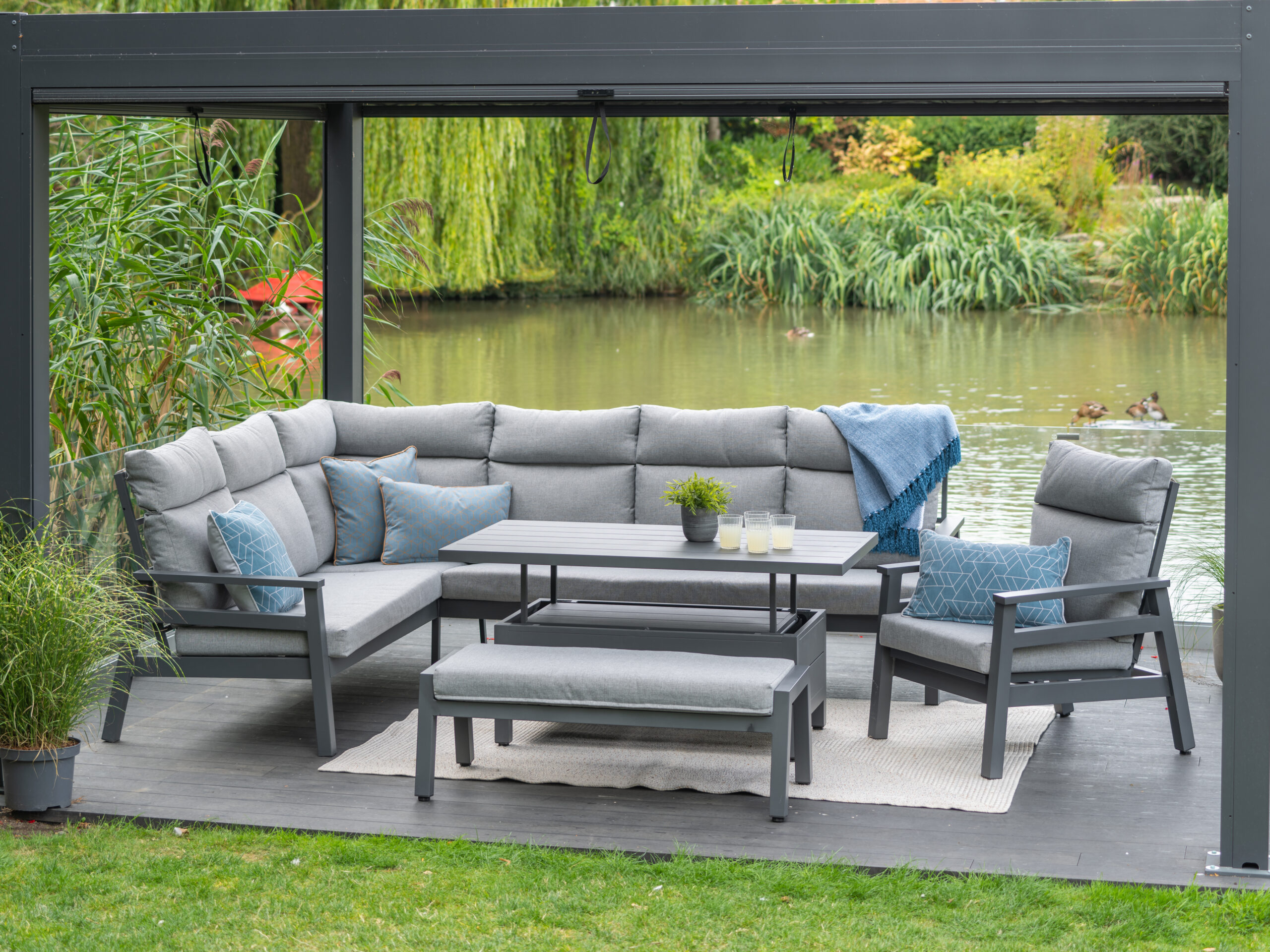
Can I find child-friendly aluminum tables for family use?
Yes, you can find child-friendly aluminum tables that are suitable for family use. Here is a detailed explanation:
1. Durable Construction: Child-friendly aluminum tables are designed with durability in mind. Look for tables that are made from high-quality aluminum or aluminum alloy, which is lightweight yet strong. Ensure that the table has a sturdy construction that can withstand the active use and play of children.
2. Safety Features: Child-friendly aluminum tables often come with safety features to minimize the risk of accidents or injuries. Some tables have rounded edges and corners to prevent sharp edges that could potentially harm children. Look for tables with smooth surfaces and no exposed screws or bolts that children could catch their clothing on or get injured by.
3. Stability: Stability is crucial when considering a child-friendly aluminum table. Look for tables with a wide base or legs that provide a stable foundation. Tables with a lower center of gravity are less likely to tip over if children accidentally lean on them or apply pressure. Consider tables with non-slip feet or rubberized leg bottoms to prevent sliding on smooth surfaces.
4. Easy to Clean: Child-friendly aluminum tables should be easy to clean, as children can be messy. Look for tables with a smooth and non-porous surface that can be easily wiped clean with a damp cloth. Avoid tables with intricate designs or patterns that could trap dirt or food particles, making them more challenging to clean.
5. Adjustable Height: Some child-friendly aluminum tables come with adjustable height options, allowing you to customize the table to the appropriate height for your child. This feature ensures that the table is ergonomically suitable for children of different ages and sizes, promoting proper posture and comfort during activities.
6. Colorful and Fun Designs: Child-friendly aluminum tables often feature colorful and fun designs that appeal to children. Look for tables with vibrant colors or patterns that can liven up the play or dining area for your child. Some tables may even have graphics or characters that children find engaging and enjoyable.
7. Optional Features: Depending on your specific needs, you may find child-friendly aluminum tables with additional features. Some tables have built-in storage compartments where children can keep their toys or art supplies. Others may come with attached seating or benches designed specifically for children.
When searching for child-friendly aluminum tables, consider reputable brands or manufacturers that specialize in furniture for children or families. Read product descriptions, customer reviews, and safety certifications to ensure that the table meets safety standards and is suitable for family use.
By considering these factors, you can find child-friendly aluminum tables that provide a safe and enjoyable space for your children to engage in various activities such as eating, playing, drawing, or studying. These tables are designed to withstand the demands of family use while prioritizing the safety and comfort of children.

What are the advantages of lightweight aluminum tables for easy portability?
There are several advantages of lightweight aluminum tables when it comes to easy portability. Here is a detailed explanation:
1. Easy Transportation: The primary advantage of lightweight aluminum tables is that they are easy to transport. Due to their lightweight nature, these tables can be easily lifted, carried, or moved from one location to another without much effort. This makes them highly convenient for situations where frequent table relocation is required, such as outdoor events, picnics, camping trips, or trade shows.
2. Convenience: Lightweight aluminum tables offer a high level of convenience. Their lightness makes it effortless to set up or dismantle the tables, allowing for quick and hassle-free assembly and disassembly. This is particularly beneficial in scenarios where time is a factor, such as when organizing events, parties, or temporary gatherings.
3. Flexibility of Use: The lightweight nature of aluminum tables provides flexibility in their use. They can be easily moved and rearranged within indoor spaces or outdoor settings, allowing for convenient customization of the layout. This flexibility is advantageous when you need to adjust the table arrangement based on the number of guests, the activities taking place, or the available space.
4. Portability for Outdoor Activities: Lightweight aluminum tables are especially useful for outdoor activities. Whether you’re going on a picnic, camping trip, or beach outing, carrying a lightweight table is much more manageable than a heavier alternative. The portability of aluminum tables enables you to enjoy outdoor dining or have a convenient surface for various activities without being burdened by excessive weight.
5. Compact Storage: Another advantage of lightweight aluminum tables is their compactness when it comes to storage. These tables are often designed to be foldable or collapsible, allowing them to occupy minimal space when not in use. This is particularly beneficial in situations where storage space is limited, such as small apartments, RVs, or storage closets.
6. Accessibility: Lightweight aluminum tables are accessible to a wide range of individuals. Their lightness makes them easier to handle for people of different ages and physical abilities. This inclusivity allows everyone to participate in setting up or moving the tables, fostering a sense of independence and involvement.
7. Reduced Risk of Injury: The lightweight nature of aluminum tables contributes to a reduced risk of injury during handling and transportation. Compared to heavier tables made of materials like solid wood or wrought iron, aluminum tables are less likely to cause strain or accidents due to their lighter weight. This makes them a safer option, especially when there are multiple individuals involved in the setup or relocation process.
8. Lower Shipping Costs: Lightweight aluminum tables can also result in lower shipping costs when purchasing or transporting them over long distances. The reduced weight decreases the overall shipping weight, potentially leading to savings in shipping fees or making it more affordable to transport larger quantities of tables.
In summary, the advantages of lightweight aluminum tables for easy portability include easy transportation, convenience, flexibility of use, portability for outdoor activities, compact storage, accessibility, reduced risk of injury, and lower shipping costs. These advantages make lightweight aluminum tables a practical and user-friendly choice for a variety of settings, whether it’s for indoor use, outdoor events, or on-the-go activities.
editor by CX 2023-11-17
China OEM Screw Compressors Unit Machine Freezing Room Refrigeration Unit Air-Cooled Condensing Unit for Cold Room air compressor CHINAMFG freight
Product Description
Screw Compressors Unit Machine Freezing Room Refrigeration Unit Air-cooled Condensing Unit for Cold Room
Warm Tips:
If you don’t know which model is suitable for you, please contact we without hesitation, after tell us your requirements, we shall be glad to give you our professional advise. And if all this model don’t suit for you, we have advanced software and professional team of engineers can design product for you. We have customized products for many customers, following are some projects we did before. We can provide designing data and prodcution drawings.
Advantages for our condensing unit:
1. The accessories for the unit include liquid receiver, pressure gage, pressure controller,
sight glass, filter junction box, etc
2. The copper tube of air cooled Condensina units get through the pressure test, meet
the request of normal work.
3.Every part of units is best in corrosion protection.
4. Proper structure, accurate and reliable operating system for the air cooled condensinq unit.
5. Use the high efficiency and large air volume axial fan, with low noise and eneray saving.
|
The units cooling capacity |
30P-150P |
|
Reservoir capacity |
Customized |
|
Design pressure |
2.5MPA |
|
Design temperature |
60°C |
|
Pressure vessel category |
II |
|
The pressure test pressure |
3.13MPA |
|
3.13MPA |
30-200kg |
Main Parts Brands
Our Factory
Our Cases
Applications
FAQ
1. Who are we?
We are based in ZheJiang , China, starting from 2003, specializing in refrigeration industry for 20 years, and staff in our company is more than 100, meanwhile, our footprints are all over China, playing more and more important role in international market.
2.What can you buy from us?
Refrigeration Compressors, Condensing Units, Refrigeration Equipment, thermal insulation Sandwich Panels and other Parts, also, we provide turn-key solutions and products according to your needs.
3. Why choose us?
We can list the advantages and disadvantages of different solutions (Construction Cost, Running Cost, Maintenance Cost and etc ), which may help you make a decision.
4. How can we guarantee quality?
All parts have gone through strict test before assembly in batch, and the finished goods will go through quality test before packing and shipping, also we provide after-services both online and local technical instruction if necessary.
5. What is your standard delivery time and shipping port?
It usually takes 10~20 working days for standard parts. And for customized products, it may take 20~30 working days. Departing from ZheJiang , ZheJiang and other Ports.
| After-sales Service: | Online & Local |
|---|---|
| Temperature: | -50-10 Centigrade |
| Refrigerant: | Freon |
| Size: | Large |
| Structure: | Assembled |
| Use Nature: | Production |
| Samples: |
US$ 1000/Piece
1 Piece(Min.Order) | |
|---|
| Customization: |
Available
|
|
|---|
.webp)
What are the differences between stationary and portable air compressors?
Stationary and portable air compressors are two common types of air compressors with distinct features and applications. Here are the key differences between them:
1. Mobility:
The primary difference between stationary and portable air compressors is their mobility. Stationary air compressors are designed to be permanently installed in a fixed location, such as a workshop or a factory. They are typically larger, heavier, and not easily movable. On the other hand, portable air compressors are smaller, lighter, and equipped with handles or wheels for easy transportation. They can be moved from one location to another, making them suitable for jobsites, construction sites, and other mobile applications.
2. Power Source:
Another difference lies in the power source used by stationary and portable air compressors. Stationary compressors are usually powered by electricity, as they are designed for continuous operation in a fixed location with access to power outlets. They are connected to the electrical grid or have dedicated wiring. In contrast, portable compressors are available in various power options, including electric, gasoline, and diesel engines. This versatility allows them to operate in remote areas or sites without readily available electricity.
3. Tank Capacity:
Tank capacity is also a distinguishing factor between stationary and portable air compressors. Stationary compressors often have larger storage tanks to store compressed air for extended periods. The larger tanks enable them to deliver a continuous and steady supply of compressed air for longer durations without the need for frequent cycling. Portable compressors, due to their compact size and portability, generally have smaller tank capacities, which may be sufficient for intermittent or smaller-scale applications.
4. Performance and Output:
The performance and output capabilities of stationary and portable air compressors can vary. Stationary compressors are typically designed for high-volume applications that require a consistent and continuous supply of compressed air. They often have higher horsepower ratings, larger motor sizes, and higher air delivery capacities. Portable compressors, while generally offering lower horsepower and air delivery compared to their stationary counterparts, are still capable of delivering sufficient air for a range of applications, including pneumatic tools, inflation tasks, and light-duty air-powered equipment.
5. Noise Level:
Noise level is an important consideration when comparing stationary and portable air compressors. Stationary compressors, being larger and built for industrial or commercial settings, are often equipped with noise-reducing features such as sound insulation and vibration dampening. They are designed to operate at lower noise levels, which is crucial for maintaining a comfortable working environment. Portable compressors, while efforts are made to reduce noise, may produce higher noise levels due to their compact size and portability.
6. Price and Cost:
Stationary and portable air compressors also differ in terms of price and cost. Stationary compressors are generally more expensive due to their larger size, higher power output, and industrial-grade construction. They often require professional installation and may involve additional costs such as electrical wiring and system setup. Portable compressors, being smaller and more versatile, tend to have a lower upfront cost. They are suitable for individual users, contractors, and small businesses with budget constraints or flexible air supply needs.
When selecting between stationary and portable air compressors, it is essential to consider the specific requirements of the intended application, such as mobility, power source availability, air demands, and noise considerations. Understanding these differences will help in choosing the appropriate type of air compressor for the intended use.
Can air compressors be used for medical and dental applications?
Yes, air compressors can be used for various medical and dental applications. Compressed air is a reliable and versatile utility in healthcare settings, providing power for numerous devices and procedures. Here are some common applications of air compressors in medical and dental fields:
1. Dental Tools:
Air compressors power a wide range of dental tools and equipment, such as dental handpieces, air syringes, air scalers, and air abrasion devices. These tools rely on compressed air to generate the necessary force and airflow for effective dental procedures.
2. Medical Devices:
Compressed air is used in various medical devices and equipment. For example, ventilators and anesthesia machines utilize compressed air to deliver oxygen and other gases to patients. Nebulizers, used for respiratory treatments, also rely on compressed air to convert liquid medications into a fine mist for inhalation.
3. Laboratory Applications:
Air compressors are used in medical and dental laboratories for various purposes. They power laboratory instruments, such as air-driven centrifuges and sample preparation equipment. Compressed air is also used for pneumatic controls and automation systems in lab equipment.
4. Surgical Tools:
In surgical settings, compressed air is employed to power specialized surgical tools. High-speed air-driven surgical drills, saws, and bone-cutting instruments are commonly used in orthopedic and maxillofacial procedures. Compressed air ensures precise control and efficiency during surgical interventions.
5. Sterilization and Autoclaves:
Compressed air is essential for operating sterilization equipment and autoclaves. Autoclaves use steam generated by compressed air to sterilize medical instruments, equipment, and supplies. The pressurized steam provides effective disinfection and ensures compliance with rigorous hygiene standards.
6. Dental Air Compressors:
Specialized dental air compressors are designed specifically for dental applications. These compressors have features such as moisture separators, filters, and noise reduction mechanisms to meet the specific requirements of dental practices.
7. Air Quality Standards:
In medical and dental applications, maintaining air quality is crucial. Compressed air used in healthcare settings must meet specific purity standards. This often requires the use of air treatment systems, such as filters, dryers, and condensate management, to ensure the removal of contaminants and moisture.
8. Compliance and Regulations:
Medical and dental facilities must comply with applicable regulations and guidelines regarding the use of compressed air. These regulations may include requirements for air quality, maintenance and testing procedures, and documentation of system performance.
It is important to note that medical and dental applications have specific requirements and standards. Therefore, it is essential to choose air compressors and associated equipment that meet the necessary specifications and comply with industry regulations.
How does an air compressor work?
An air compressor works by using mechanical energy to compress and pressurize air, which is then stored and used for various applications. Here’s a detailed explanation of how an air compressor operates:
1. Air Intake: The air compressor draws in ambient air through an intake valve or filter. The air may pass through a series of filters to remove contaminants such as dust, dirt, and moisture, ensuring the compressed air is clean and suitable for its intended use.
2. Compression: The intake air enters a compression chamber, typically consisting of one or more pistons or a rotating screw mechanism. As the piston moves or the screw rotates, the volume of the compression chamber decreases, causing the air to be compressed. This compression process increases the pressure and reduces the volume of the air.
3. Pressure Build-Up: The compressed air is discharged into a storage tank or receiver where it is held at a high pressure. The tank allows the compressed air to be stored for later use and helps to maintain a consistent supply of compressed air, even during periods of high demand.
4. Pressure Regulation: Air compressors often have a pressure regulator that controls the output pressure of the compressed air. This allows the user to adjust the pressure according to the requirements of the specific application. The pressure regulator ensures that the compressed air is delivered at the desired pressure level.
5. Release and Use: When compressed air is needed, it is released from the storage tank or receiver through an outlet valve or connection. The compressed air can then be directed to the desired application, such as pneumatic tools, air-operated machinery, or other pneumatic systems.
6. Continued Operation: The air compressor continues to operate as long as there is a demand for compressed air. When the pressure in the storage tank drops below a certain level, the compressor automatically starts again to replenish the compressed air supply.
Additionally, air compressors may include various components such as pressure gauges, safety valves, lubrication systems, and cooling mechanisms to ensure efficient and reliable operation.
In summary, an air compressor works by drawing in air, compressing it to increase its pressure, storing the compressed air, regulating the output pressure, and releasing it for use in various applications. This process allows for the generation of a continuous supply of compressed air for a wide range of industrial, commercial, and personal uses.
editor by CX 2023-11-09
China Hot selling Factory Direct Sales China Factory Price Air Compressor for CO2 Laser Machine air compressor CHINAMFG freight
Product Description
| Product Name | Oil-Free Booster Compressor |
| Model No | BW-3/5/10/15/20/30… |
| Inlet Pressure | 0.4Mpa( G ) |
| Exhaust Pressure | 150/200Mpa( G ) |
| Type | High Pressure Oil Free |
| Accessories | Filling Manifold, Piston ring, Etc |
| Oilless High Pressure O2 Compressor Specification | |||||
| NO | Volume | Inlet pressure | Outlet pressure | Type | Cooling type |
| 1 | 1-3m³ | 0.3-0.4MPa | 15MPa | 2 lines 4 stages vertical type | Wind |
| 2 | 4-12m³ | 0.3-0.4MPa | 15MPa | 2 lines 4 stages vertical type | Wind |
| 3 | 13-40m³ | 0.3-0.4MPa | 15MPa | 3 lines 3 stages W type | Water |
| 4 | 13-60m³ | 0.2-0.4MPa | 15MPa | 2 lines 4 stages vertical type | Water |
| 5 | 40-80m³ | 0.2-0.4MPa | 15MPa | 4 lines 4 stages S type | Water |
| 6 | 80-120m³ | 0.2-0.4MPa | 15MPa | 4 lines 4 stages S type | Water |
If you have compressor inquiry please tell us follows information when you send inquiry:
*Compressor working medium: If single gas ,how many purity ? if mixed gas , what’s gas content lit ?
*Suction pressure(gauge pressure):_____bar
*Exhaust pressure(gauge pressure):_____bar
*Flow rate per hour for compressor: _____Nm³/h
Compressor gas suction temperature:_____ºC
Compressor working hours per day :_____hours
Compressor working site altitude :_____m
Environment temperature : _____ºC
Has cooling water in the site or not ?______
Voltage and frequency for 3 phase :____________
Do not has water vapor or H2S in the gas ?______
Application for compressor?__________
| After-sales Service: | 1 Year |
|---|---|
| Warranty: | 1 Year |
| Product Name: | Oxygen,Nitrogen Compressor |
| Gas Type: | Oxygen,Nitrogen,Special Gas |
| Cooling Method: | Air Cooling Water Cooling |
| Application: | Filling Cylinder |
| Customization: |
Available
|
|
|---|
How are air compressors utilized in the aerospace industry?
Air compressors play a crucial role in various applications within the aerospace industry. They are utilized for a wide range of tasks that require compressed air or gas. Here are some key uses of air compressors in the aerospace industry:
1. Aircraft Systems:
Air compressors are used in aircraft systems to provide compressed air for various functions. They supply compressed air for pneumatic systems, such as landing gear operation, braking systems, wing flap control, and flight control surfaces. Compressed air is also utilized for starting aircraft engines and for cabin pressurization and air conditioning systems.
2. Ground Support Equipment:
Air compressors are employed in ground support equipment used in the aerospace industry. They provide compressed air for tasks such as inflating aircraft tires, operating pneumatic tools for maintenance and repair, and powering air-driven systems for fueling, lubrication, and hydraulic operations.
3. Component Testing:
Air compressors are utilized in component testing within the aerospace industry. They supply compressed air for testing and calibrating various aircraft components, such as valves, actuators, pressure sensors, pneumatic switches, and control systems. Compressed air is used to simulate operating conditions and evaluate the performance and reliability of these components.
4. Airborne Systems:
In certain aircraft, air compressors are employed for specific airborne systems. For example, in military aircraft, air compressors are used for air-to-air refueling systems, where compressed air is utilized to transfer fuel between aircraft in mid-air. Compressed air is also employed in aircraft de-icing systems, where it is used to inflate inflatable de-icing boots on the wing surfaces to remove ice accumulation during flight.
5. Environmental Control Systems:
Air compressors play a critical role in the environmental control systems of aircraft. They supply compressed air for air conditioning, ventilation, and pressurization systems, ensuring a comfortable and controlled environment inside the aircraft cabin. Compressed air is used to cool and circulate air, maintain desired cabin pressure, and control humidity levels.
6. Engine Testing:
In the aerospace industry, air compressors are utilized for engine testing purposes. They provide compressed air for engine test cells, where aircraft engines are tested for performance, efficiency, and durability. Compressed air is used to simulate different operating conditions and loads on the engine, allowing engineers to assess its performance and make necessary adjustments or improvements.
7. Oxygen Systems:
In aircraft, air compressors are involved in the production of medical-grade oxygen for onboard oxygen systems. Compressed air is passed through molecular sieve beds or other oxygen concentrator systems to separate oxygen from other components of air. The generated oxygen is then supplied to the onboard oxygen systems, ensuring a sufficient and continuous supply of breathable oxygen for passengers and crew at high altitudes.
It is important to note that air compressors used in the aerospace industry must meet stringent quality and safety standards. They need to be reliable, efficient, and capable of operating under demanding conditions to ensure the safety and performance of aircraft systems.
.webp)
How are air compressors employed in the mining industry?
Air compressors play a crucial role in the mining industry, providing reliable and efficient power for various mining operations. Here are some common applications of air compressors in mining:
1. Exploration and Drilling:
Air compressors are used during exploration and drilling activities in the mining industry. Compressed air is used to power drilling rigs, pneumatic hammers, and other drilling equipment. The high-pressure air generated by the compressor helps in drilling boreholes, extracting core samples, and exploring potential mineral deposits.
2. Ventilation and Air Quality Control:
Air compressors are employed in underground mining to provide ventilation and control air quality. Compressed air is used to operate ventilation fans and air circulation systems, ensuring adequate airflow and removing harmful gases, dust, and fumes from the mining tunnels and work areas.
3. Material Conveyance:
In mining operations, air compressors are used for material conveyance. Pneumatic systems powered by air compressors are utilized to transport materials such as coal, ore, and other minerals. Compressed air is used to operate pneumatic conveyors, pumps, and material handling equipment, allowing for efficient and controlled movement of bulk materials.
4. Dust Suppression:
Air compressors are employed for dust suppression in mining areas. Compressed air is used to spray water or other suppressants to control dust generated during mining activities. This helps in maintaining a safe and healthy work environment, reducing the risks associated with dust inhalation and improving visibility.
5. Instrumentation and Control:
Air compressors are used for instrumentation and control purposes in mining operations. Compressed air is utilized to power pneumatic control systems, control valves, and actuators. These systems regulate the flow of fluids, control equipment movements, and ensure the proper functioning of various mining processes.
6. Explosive Applications:
In mining, air compressors are used for explosive applications. Compressed air is employed to power pneumatic tools used for rock fragmentation, such as rock drills and pneumatic breakers. The controlled power of compressed air enables safe and efficient rock breaking without the need for traditional explosives.
7. Maintenance and Repair:
Air compressors are essential for maintenance and repair activities in the mining industry. Compressed air is used for cleaning machinery, removing debris, and powering pneumatic tools for equipment maintenance and repair tasks. The versatility and portability of air compressors make them valuable assets in maintaining mining equipment.
It is important to note that different mining operations may have specific requirements and considerations when selecting and using air compressors. The size, capacity, and features of air compressors can vary based on the specific mining application and environmental conditions.
By utilizing air compressors effectively, the mining industry can benefit from increased productivity, improved safety, and efficient operation of various mining processes.
What are the key components of an air compressor system?
An air compressor system consists of several key components that work together to generate and deliver compressed air. Here are the essential components:
1. Compressor Pump: The compressor pump is the heart of the air compressor system. It draws in ambient air and compresses it to a higher pressure. The pump can be reciprocating (piston-driven) or rotary (screw, vane, or scroll-driven) based on the compressor type.
2. Electric Motor or Engine: The electric motor or engine is responsible for driving the compressor pump. It provides the power necessary to operate the pump and compress the air. The motor or engine’s size and power rating depend on the compressor’s capacity and intended application.
3. Air Intake: The air intake is the opening or inlet through which ambient air enters the compressor system. It is equipped with filters to remove dust, debris, and contaminants from the incoming air, ensuring clean air supply and protecting the compressor components.
4. Compression Chamber: The compression chamber is where the actual compression of air takes place. In reciprocating compressors, it consists of cylinders, pistons, valves, and connecting rods. In rotary compressors, it comprises intermeshing screws, vanes, or scrolls that compress the air as they rotate.
5. Receiver Tank: The receiver tank, also known as an air tank, is a storage vessel that holds the compressed air. It acts as a buffer, allowing for a steady supply of compressed air during peak demand periods and reducing pressure fluctuations. The tank also helps separate moisture from the compressed air, allowing it to condense and be drained out.
6. Pressure Relief Valve: The pressure relief valve is a safety device that protects the compressor system from over-pressurization. It automatically releases excess pressure if it exceeds a predetermined limit, preventing damage to the system and ensuring safe operation.
7. Pressure Switch: The pressure switch is an electrical component that controls the operation of the compressor motor. It monitors the pressure in the system and automatically starts or stops the motor based on pre-set pressure levels. This helps maintain the desired pressure range in the receiver tank.
8. Regulator: The regulator is a device used to control and adjust the output pressure of the compressed air. It allows users to set the desired pressure level for specific applications, ensuring a consistent and safe supply of compressed air.
9. Air Outlet and Distribution System: The air outlet is the point where the compressed air is delivered from the compressor system. It is connected to a distribution system comprising pipes, hoses, fittings, and valves that carry the compressed air to the desired application points or tools.
10. Filters, Dryers, and Lubricators: Depending on the application and air quality requirements, additional components such as filters, dryers, and lubricators may be included in the system. Filters remove contaminants, dryers remove moisture from the compressed air, and lubricators provide lubrication to pneumatic tools and equipment.
These are the key components of an air compressor system. Each component plays a crucial role in the generation, storage, and delivery of compressed air for various industrial, commercial, and personal applications.
editor by CX 2023-10-27